Iran-Israel conflict: Military expert Cătălin Gomboș analyzes nuclear threats and proxy warfare risks

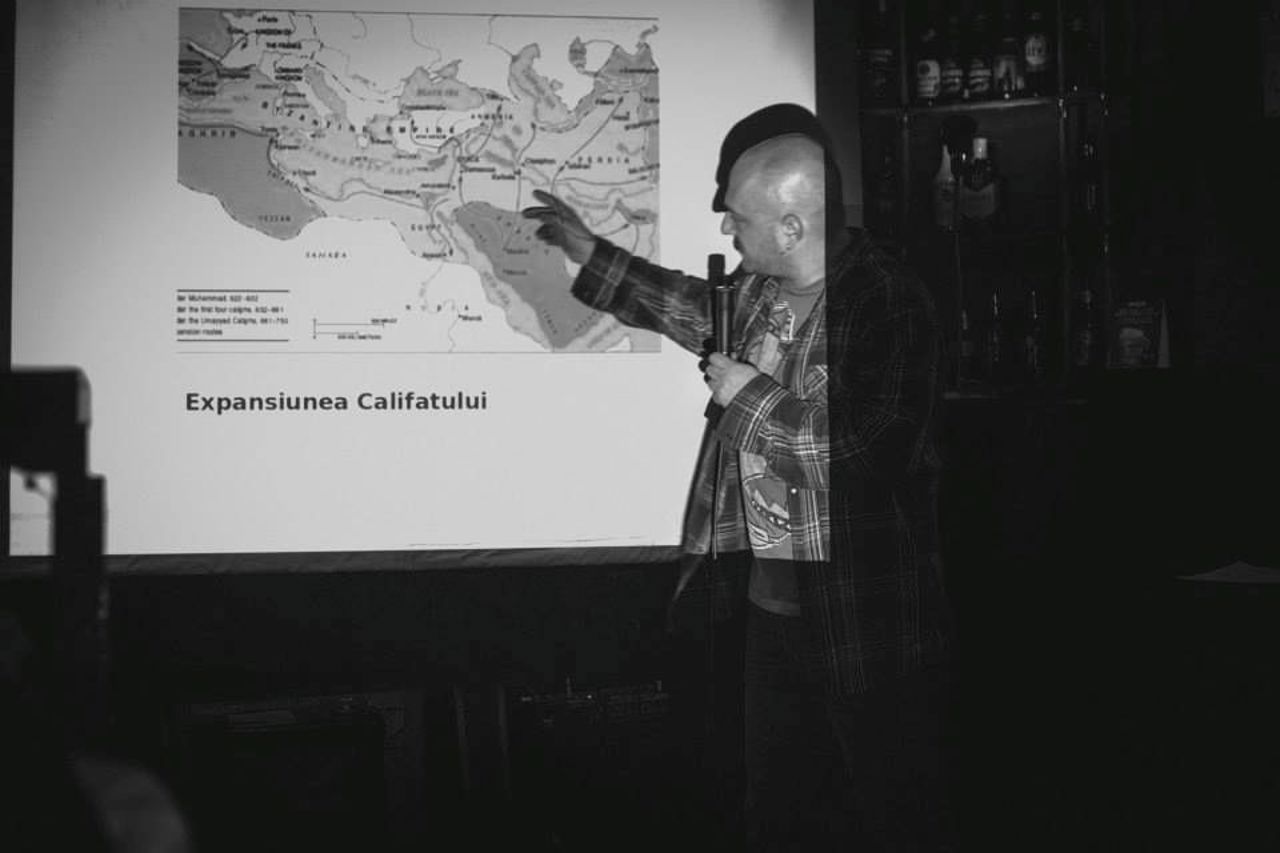
The long-standing tensions in the Middle East are not mere recent flare-ups but the culmination of a half-century confrontation. In a strategic assessment for Radio Moldova, military expert Cătălin Gomboș explained that the current escalation is deeply rooted in the ideological shift following the 1979 Islamic Revolution.
For decades, Tehran has utilized a "grey zone" strategy, employing regional proxies such as Hezbollah, Hamas, and the Houthis to challenge U.S. and Israeli interests. Gomboș noted that while the 1980s saw direct naval skirmishes in the Gulf, the conflict has recently crossed a dangerous threshold into overt, state-on-state warfare.
The nuclear tipping point
The central pillar of regional instability remains Iran’s nuclear program. Following the collapse of the nuclear deal during the first Trump administration, Tehran accelerated its uranium enrichment to 60%, a level far exceeding civilian requirements.
While Iran denies seeking nuclear weapons, the expert warned that the gap between 60% and the 90% threshold required for a warhead is narrowing. This progression represents an existential threat to Israel and remains the primary driver of Washington’s strategic calculations.
Military balance and retaliation risks
In a conventional confrontation, the military superiority of the U.S. and Israel is undisputed. Gomboș expects that Western air power would rapidly dominate Iranian airspace, as Iran’s air defense systems are widely considered outdated and penetrable.
However, the expert cautioned against underestimating Iran’s retaliatory capacity. Unlike previous "demonstrative" strikes designed to avoid casualties, future ballistic attacks on U.S. regional bases could be significantly more lethal.
The exclusion of full-scale invasion
Despite the volatility, a large-scale ground invasion of Iran remains highly unlikely. Gomboș described such a scenario as a potential "nightmare" that could mirror the protracted conflicts in Iraq or Afghanistan.
Instead, strategic developments are more likely to involve targeted special operations or internal shifts within the Iranian regime. The Middle East remains in a state of extreme volatility, balanced precariously between nuclear diplomacy and the threat of regional conflagration.
Translation by Iurie Tataru