426 new teachers join Moldova’s schools as government boosts financial support
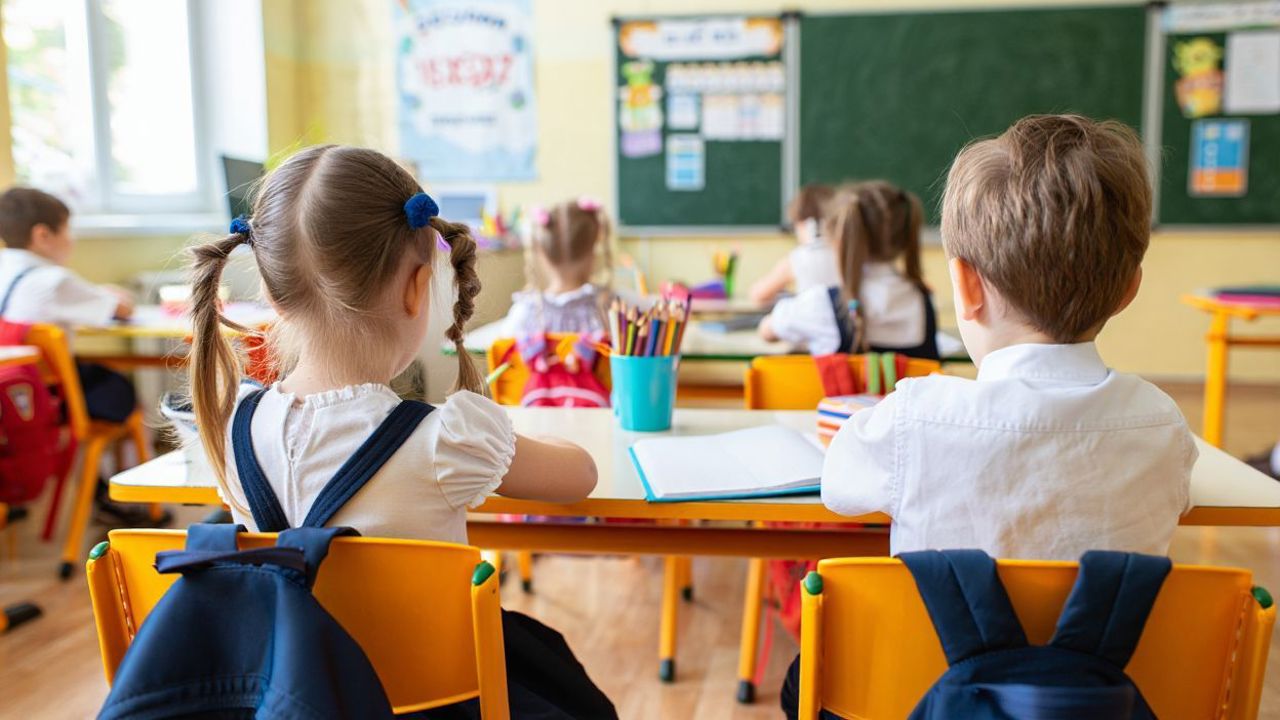
The number of young professionals choosing careers in Moldova's education system is on the rise. In the 2025–2026 academic year, 426 new graduates were employed in schools and kindergartens across the country, with 89 specialists opting for primary education roles.
Despite this positive trend, a significant labor shortage persists. At the start of the school year, approximately 700 positions remained vacant nationwide, particularly in mathematics, physics, and Romanian language departments.
The drive for excellence
Olga Dolghi is one of the new educators shaping the future at the "Alexandru Pushkin" Lyceum in Soroca. Despite training to teach in Romanian, she stepped into a Russian-language role to meet urgent local needs.
Her classroom of 35 students represents both a challenge and a motivation. "I chose this profession because I love working with children," Dolghi explains. "Being a primary school teacher means guiding them at the very beginning of their journey."
Strategic state support
To combat the shortage, the Moldovan government offers substantial financial incentives. Young specialists receive a significant one-time allowance—often reaching approx. €10,200 (200,000 MDL)—paid in two installments over three years.
"The allowance and support for utilities, rent, and teaching materials help us immensely," Dolghi added. These funds allow young teachers to invest in housing and long-term stability within the country.
Modernizing the classroom
Elena Guțul, a 20-year-old teacher in the village of Căinarii, represents the new generation of educators seeking creative and evolving work environments.
Local school directors, such as Silvia Shilova from Soroca, emphasize that young teachers are met with modern facilities. Classrooms are now increasingly equipped with projectors, smart TVs, and the digital tools necessary for 21st-century instruction.
Persistent regional needs
While the influx of new talent is encouraging, local education departments still struggle to fill specialized roles. In the Soroca district, only four out of nine requested specialists were successfully recruited this year.
The Ministry of Education continues to prioritize recruitment for high-demand subjects like mathematics and special psychopedagogy. The goal remains clear: proving to graduates that a fulfilling, stable career is possible at home in Moldova.
Translation by Iurie Tataru