Veteran, 34 years after the Nistru War: “My only regret—Russian troops illegally in Moldova”
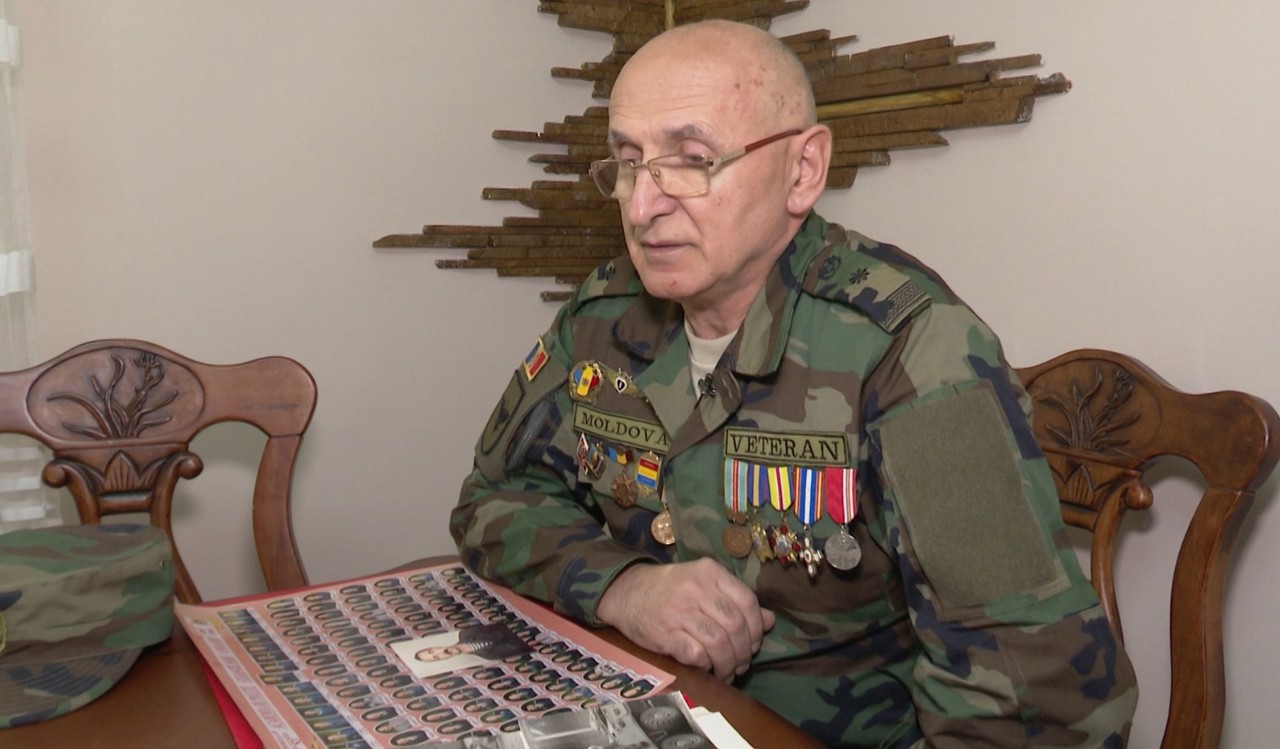
When the war on the Nistru broke out, the Republic of Moldova lacked a well-trained and equipped army. Thousands of policemen, soldiers, and volunteers came together to fight against the invaders using whatever resources they had to halt the tanks and armored vehicles of the Russian army. Victor Buliga was 28 years old at the start of the conflict.
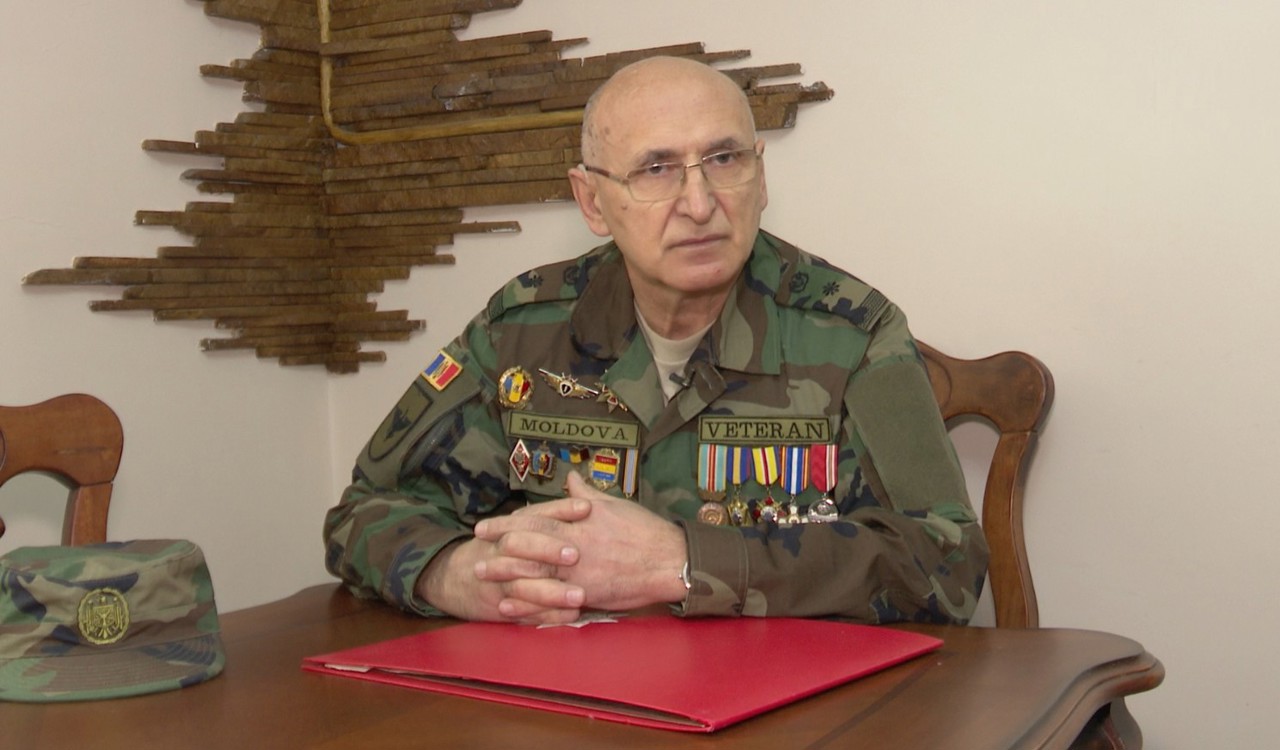
He was wounded but survived and returned home, where a small child and a pregnant wife awaited him. After more than three decades, the veteran has not forgotten the horrors of war and has only one regret: that Russian soldiers are still illegally stationed on the territory of the Republic of Moldova today.
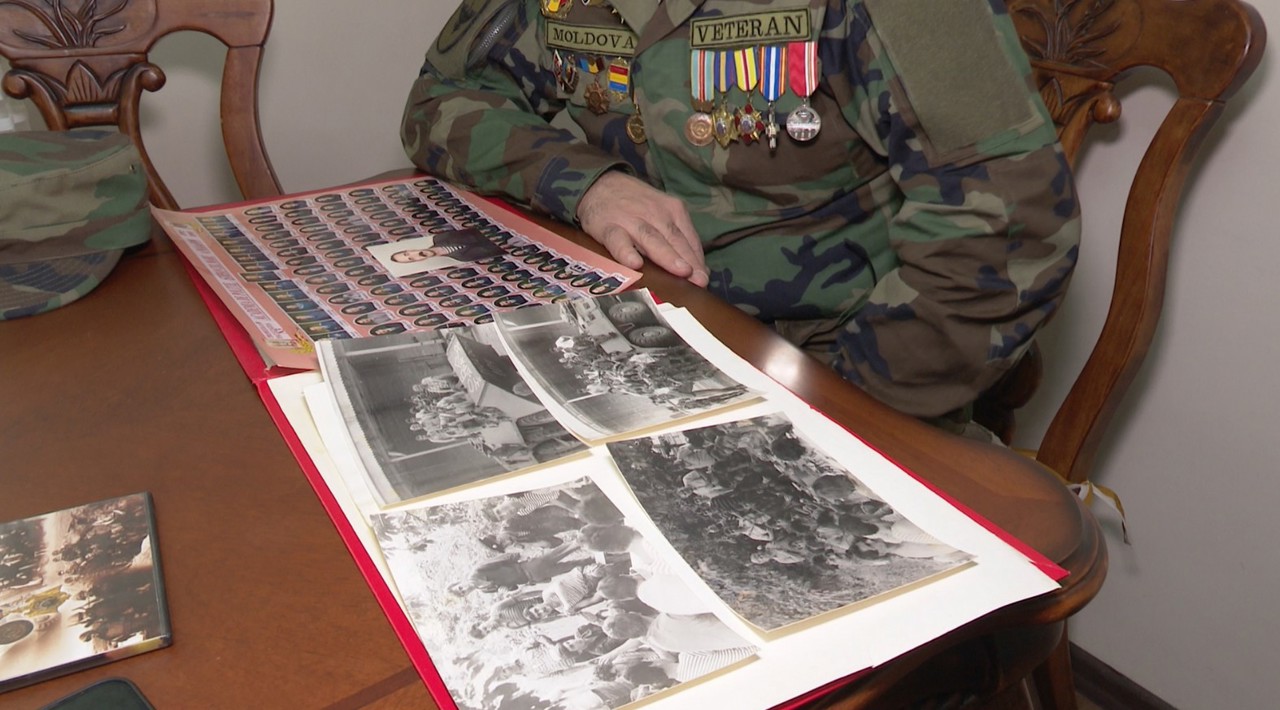
A few photos, his uniform, and medals remind Victor Buliga of the war that took place 34 years ago. At the time, the veteran was a platoon commander in the 1st Patrol and Sentry Battalion.
"The little boy was three years old, and my wife was pregnant. It was a tragedy for the family to realize that I was leaving for somewhere from which I might not return. When we were in Coșnița, we sometimes had the opportunity to call and reassure them that everything was fine, that they shouldn't worry. I told them I would be back soon, and that was it," the veteran told Moldova 1.
Police, volunteers, and soldiers fought side by side. Many of them had only experience with routine interventions and not armed confrontations.
"During 1991, following the events in Dubăsări, where four members of the Special Purpose Battalion tragically died, we were permanently on alert. We knew the situation and received signals about various crimes committed on the left bank of the Nistru, so we were prepared to be deployed there. We went to fulfill our duty obligations, but we were poorly armed—only with the weapons we had. We found ourselves in a different reality—heavy weapons and mercenary troops from the Russian Federation," recalled veteran Victor Buliga.
He also remembers the sleepless nights, the continuous noise of gunfire, and the colleagues who fell in the line of duty. However, the most painful memory dates back to July 5, 1992, when he was wounded.
"They threw a grenade that struck the tree I was standing next to. If it hadn’t been for the tree, it would have gone further, but it fell close to me. Twelve pieces of shrapnel were extracted from the right side of my body, from my calf to my head," the war veteran shared.
Years have passed, but the wounds have not fully healed. The veteran’s biggest regret is that no solutions have been found for the Transnistrian region.
"When I travel to see the Nistru River, I notice all these things. I don’t feel good emotionally when I see the flag of the Russian Federation or their armored vehicles and insignia. They are staying with us illegally; that’s the opinion of citizens and especially veterans. Many now believe that they sacrificed their lives in vain and suffered spiritual wounds pointless. There is still a foreign army on the territory of our country," the veteran emphasized.
Every year, at the commemorations, the veteran dons his uniform and medals.
"I wear them with pride, and I hope they will serve as a memory for future generations, for children and grandchildren," he said.
Approximately 30,000 individuals—soldiers, police officers, and volunteers—participated in the Nistru War. About 300 people lost their lives during the conflict, and dozens of others are still reported missing.
The Nistru War, which erupted on March 2, 1992, was not a spontaneous or purely ethnic conflict. Instead, it stemmed from the Russian Federation's efforts to maintain its influence over the former Soviet republics, according to Artur Leșcu, a historian with a doctoral degree.
Leșcu asserts that the Transnistrian region was turned into a tool of political pressure, aimed at hindering the consolidation of an independent Moldovan state and its potential alignment with Europe or possible reunification with Romania.