Moldova faces fuel price hikes as Hormuz crisis exposes strategic reserve gaps
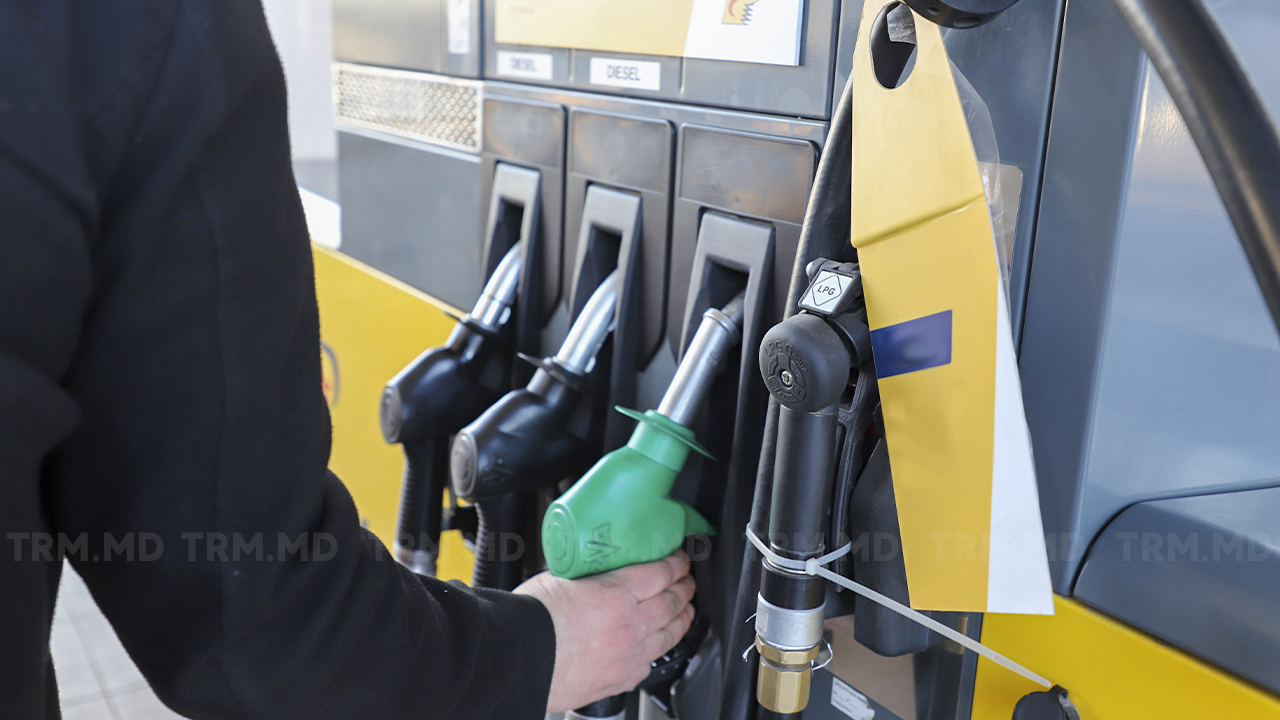
The escalating conflict in the Middle East is beginning to resonate within the Republic of Moldova. While authorities maintain that state reserves are prepared for disruptions, domestic fuel prices have already begun to climb.
A critical bill intended to fortify the nation’s petroleum supply security—originally slated for early 2026—only reached the Cabinet in late February. Experts warn that the local market will soon feel the full weight of the global shock caused by the paralysis of the Strait of Hormuz.
State reserves vs. commercial reality
Marin Lisî, Director of the Material Reserves Agency (ARM), insists that state stocks are sufficient to intervene during major market failures. He noted that current reserves cover the entire spectrum of strategic energy products, marking a significant improvement over pre-2021 levels.
While the exact volume remains a state secret, Lisî confirmed that some categories are at 100% capacity. However, energy expert Sergiu Tofilat points out a critical vulnerability: private oil companies typically hold only 10 to 15 days of commercial stock.
The Hormuz bottleneck impact
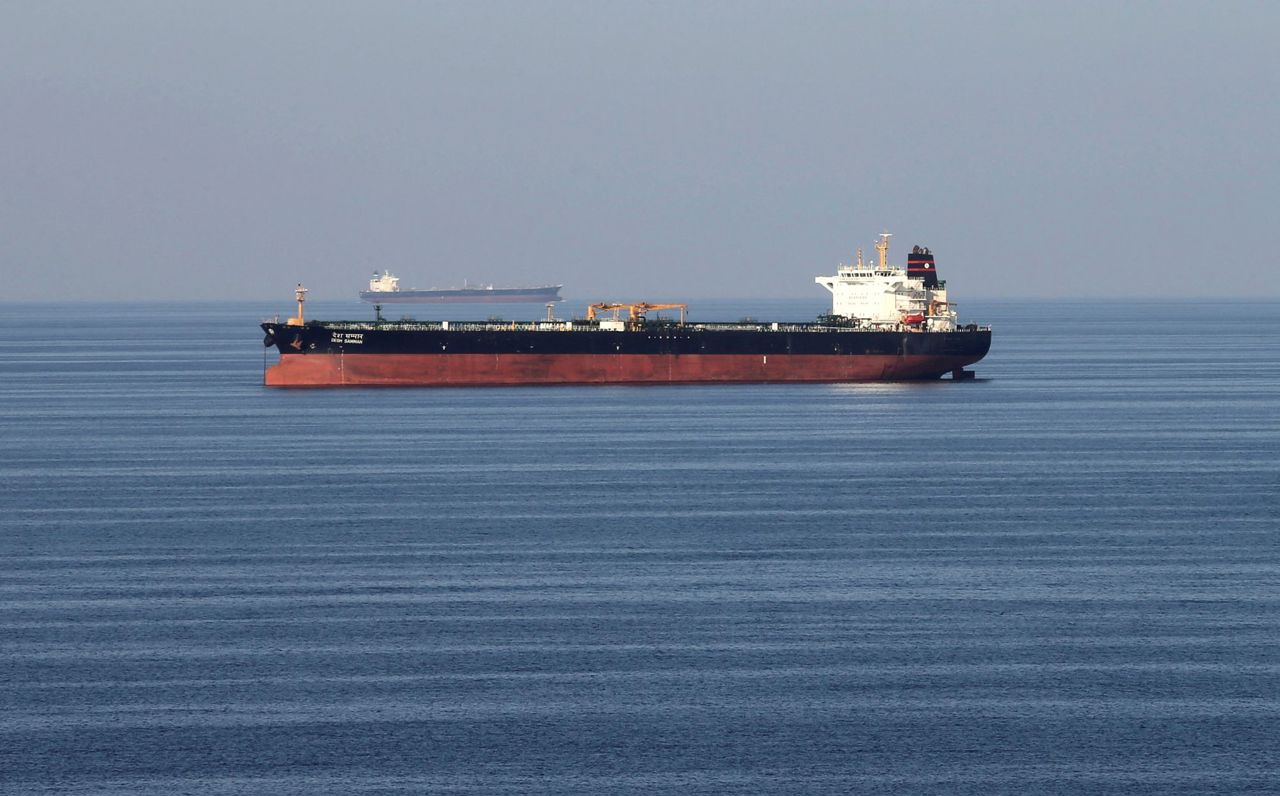
The risk is compounded by the fact that 20% of global oil production and 22% of liquefied natural gas (LNG) pass through the Strait of Hormuz. With the passage currently disrupted by military strikes, global supply chains are under extreme pressure.
Tofilat suggests that while major economies like the U.S. and China can tap into underground strategic reserves, smaller markets like Moldova will face "imminent inflationary pressure." He predicts a steady price increase rather than an outright physical shortage.
Rising costs at the pump
The National Agency for Energy Regulation (ANRE) confirmed that international Platts quotations are driving local prices upward. A daily price-cap mechanism currently shields consumers from the full volatility of the 20% surge in Brent crude prices.
For March 4, 2026, ANRE has set the following price ceilings:
COR 95 Gasoline: €1.23 (approx. 23.97 MDL) per liter.
Standard Diesel: €1.09 (approx. 21.21 MDL) per liter.
Delayed EU alignment
As a member of the Energy Community, Moldova is mandated by EU Directive 2009/119/EC to maintain emergency stocks equivalent to 90 days of net imports. This would require holding between 200,000 and 274,000 tons of petroleum products.
The legislative framework to enforce these levels is currently behind schedule. Public consultations for the new security law are expected to begin in the second week of March, just as global Brent prices hover near $85 per barrel.
Translation by Iurie Tataru