Millions in crypto used to influence elections, CNA reports to Parliament
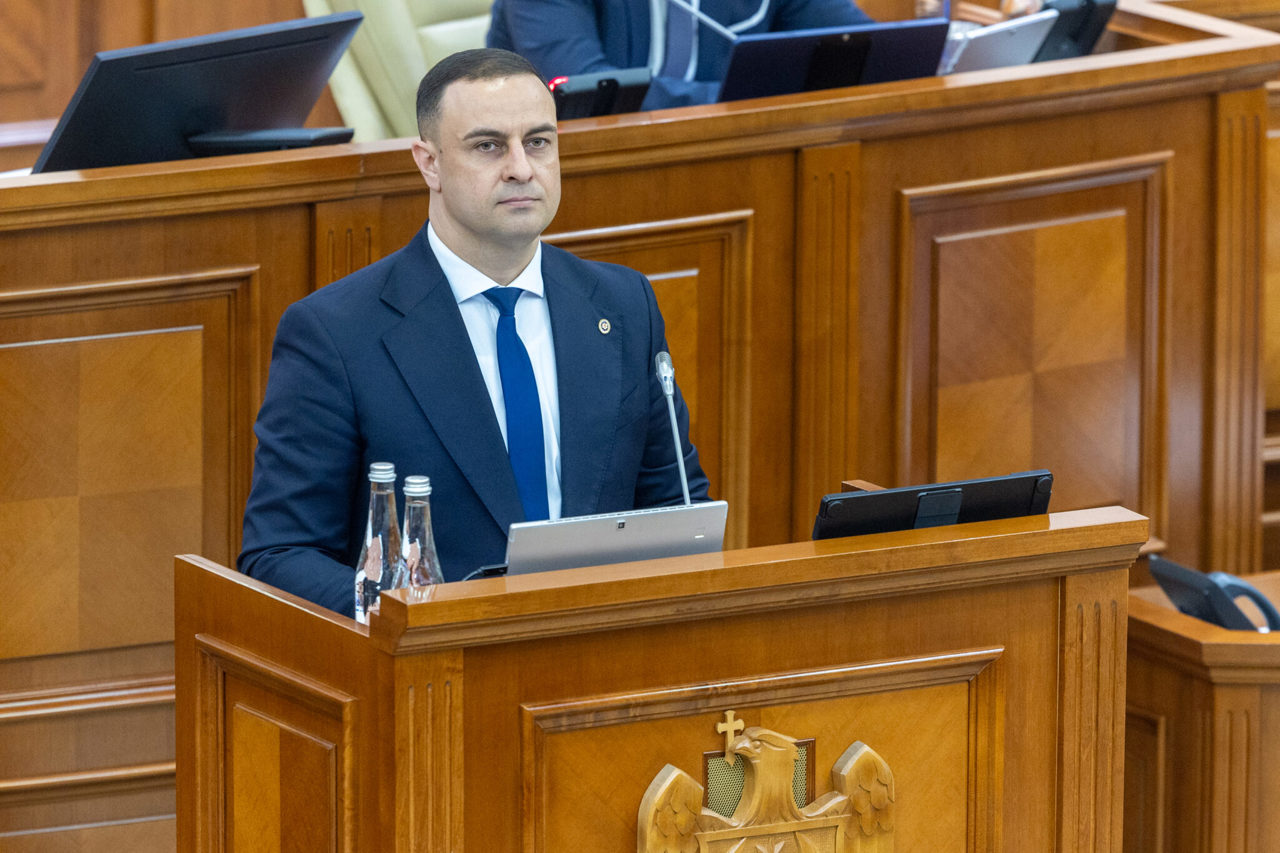
Over $100 million in cryptocurrency was transferred through a virtual wallet to influence last year's parliamentary elections in the Republic of Moldova. In May and September alone, transactions exceeding $43 million were recorded, according to Alexandr Pinzari, the director of the National Anticorruption Center (CNA). He presented this information during the activity report in the Parliament's plenary session on March 5.
Anti-corruption officers detected and documented 847 crimes last year. Of the almost 1,600 criminal cases under the CNA's management, 315 were sent to court, targeting 373 individuals. In the electoral corruption segment, CNA officers initiated 20 criminal cases, targeting over 200 individuals. Over 22 million lei were recovered as part of special investigative measures and criminal prosecution actions.
Alexandr Pînzari mentioned that crimes in the electoral field have become more sophisticated, well-organized and, in some cases, with obvious cross-border connections. Criminals use virtual assets, fragment financial flows and involve networks coordinated from outside, demonstrating a high level of planning and adaptation to modern control mechanisms.
“One of the identified schemes targeted the 2025 parliamentary elections. A person with multiple citizenships, including that of the Republic of Moldova, located in a foreign jurisdiction, organized and coordinated a complex scheme of illegal financing of political formations, with the aim of influencing the outcome of the vote in favor of certain electoral competitors,” said Alexandr Pînzari.
According to him, the network coordinator transmitted the virtual assets to a trusted person, which subsequently reached several intermediaries in the Republic of Moldova and, through the involvement of other persons, were converted into national currency, being handed over to a local activist, who further distributed them to other activists with political interests.
Action and Solidarity Party MP Radu Marian emphasized the role of anti-corruption investigations in defending democracy, highly appreciating the performance of the CNA.
"I don't want to imagine what would have happened if our institutions had not made efforts to combat this electoral and political corruption, these hundreds of millions of dollars that were thrown into our country to undermine us and submit us to those from the Kremlin", declared Radu Marian, chairman of the Committee on Economy, Budget and Finance.
Asked by the Vice-President of the Parliament, socialist deputy Vlad Batrîncea, how to explain the lack of high-profile cases of grand corruption in the Republic of Moldova, the director of the National Anti-Corruption Commission explained that the institution deals with systemic and small-level corruption, grand corruption cases fall under the jurisdiction of the Anti-Corruption Prosecutor's Office. However, presidents and local decision-makers have been investigated by judges and arrested in flagrante delicto for illegal amounts of up to 40,000 euros.
Among the high-profile cases, Pînzari mentioned the case of four judges from the Hâncești Court, the case of the head of the Centru Customs Office and a customs broker, as well as the case of four civil servants, including the head of the General Directorate for Housing, Communal Affairs and Planning of the Chișinău Municipal Council.
Regarding the opposition's criticism that among the people investigated there are no decision-makers from city halls led by representatives of the ruling party, Alexandr Pînzari emphasized that the CNA does not select the subjects investigated "according to party membership or political affiliation".
"Let it be clear to everyone: whoever violates the law is accountable to the law", CNA director stated.
He added that corruption must be fought regardless of the amount and subject, in all sectors. Even in education or the medical system, where bribery may seem insignificant, cases are serious because of the consequences they can entail.
Marcel Cenușa, from the Socialist Party faction, commented that, although the report invokes impartiality and professionalism, a disproportionate concentration of actions on inconvenient mayors or political opponents of the government is observed.
"The so-called electoral corruption has become the central theme of 2025. Hundreds of actions, dozens of searches, intensely publicized cases, stinging fines for thousands of citizens, mostly elderly. However, we see the total lack of investigations into external funding associated with NGOs close to the government in electoral mobilization", the parliamentarian emphasized.
According to the presented report, the balance of funds managed by the National Anticorruption Center (CNA) exceeded 709 million lei as of December 31, 2025. During the year, over 15.4 million lei of confiscated funds were transferred to the state budget.