Zelenskyy conditions elections on ceasefire amid concerns over waning military aid
President Volodymyr Zelenskyy has expressed urgent concerns regarding a potential reduction in air defense deliveries if the conflict in the Middle East continues to divert international attention and resources.
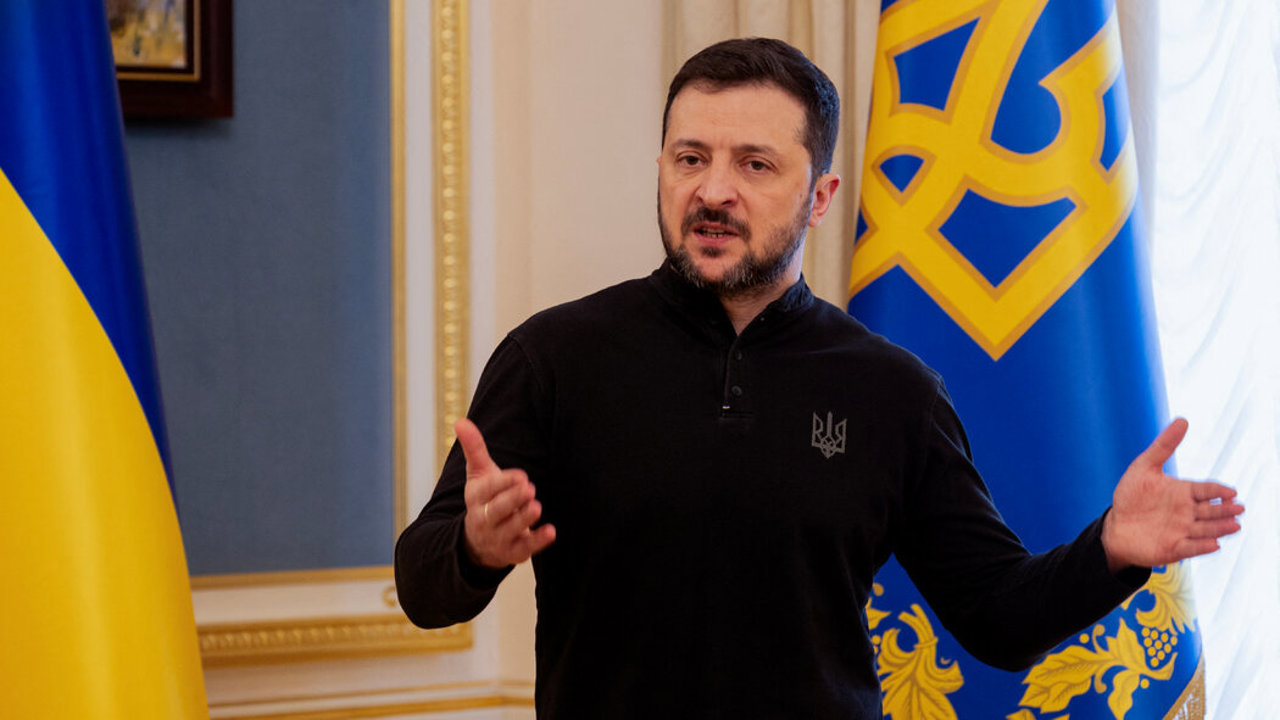
In a recent interview with an Italian broadcaster, the Ukrainian leader emphasized that maintaining the current pace of military support is critical. He warned that any protracted instability in other regions could jeopardize the supply of anti-aircraft missiles essential for protecting Ukraine's infrastructure.
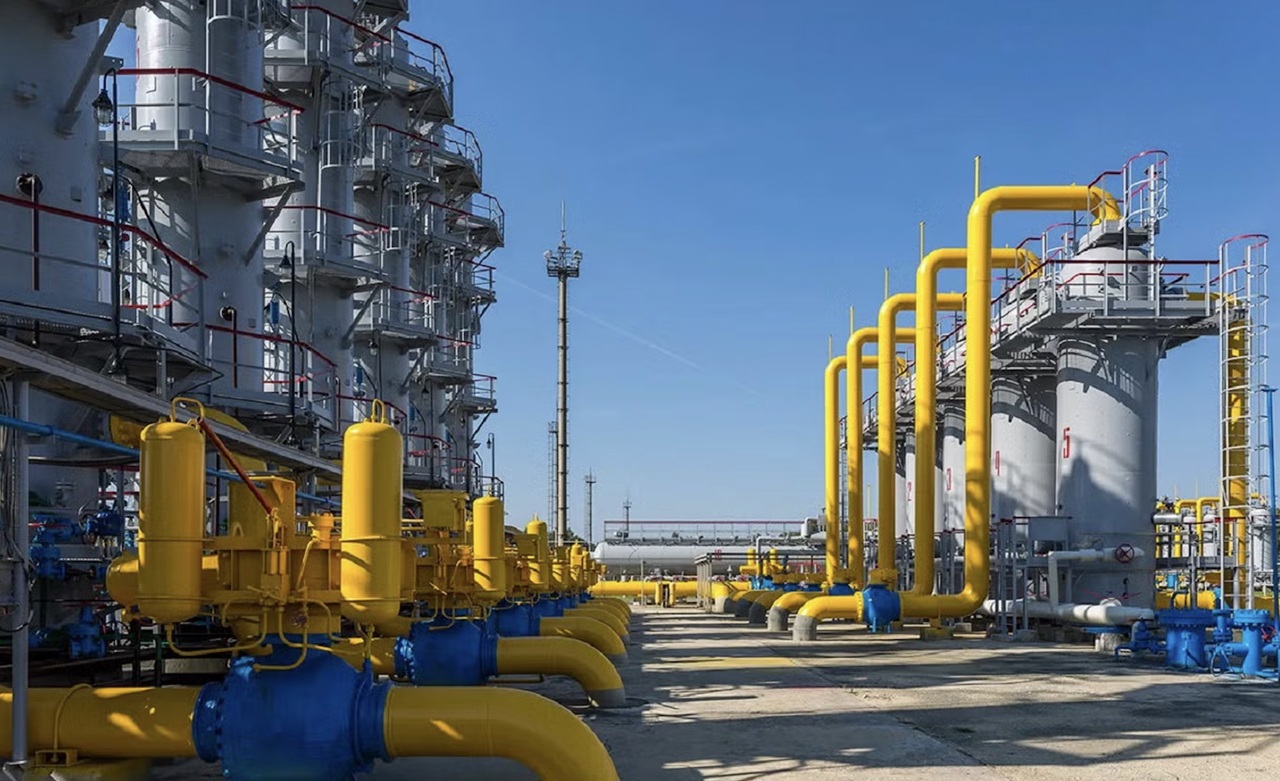
Energy grid under fire
The warning comes as Russian forces intensify strikes on civilian targets. Overnight drone attacks caused significant power outages across the Kharkiv, Donetsk, Chernihiv, and Kherson regions, forcing energy companies into emergency repair cycles to restore the grid.
In Kryvyi Rih, Zelenskyy’s hometown, a Russian drone struck a nine-story residential building. While the strike caused extensive damage, Oleksandr Vilkul, head of the city's Defense Council, confirmed that no casualties were reported.
The election dilemma
Addressing international pressure to hold presidential elections, Zelenskyy stated that a democratic vote is virtually impossible without a guaranteed ceasefire. He suggested that a minimum two-month truce would be required to organize a legitimate electoral process.
"If there is true impatience for Ukrainian elections, then ensure a ceasefire and reach an agreement with the Russians," Zelenskyy remarked. He noted his surprise at the external insistence on elections during an active phase of the war.
Diplomatic delays
Regarding the trilateral negotiations between Ukraine, the United States, and Russia—originally scheduled for early March in Abu Dhabi—Zelenskyy confirmed the talks have been postponed.
While the President remains open to U.S.-led discussions, he indicated that future meetings are unlikely to take place in the United Arab Emirates, citing the shifting diplomatic landscape following the Middle East escalation.
Translation by Iurie Tataru