From surplus apples to EU shelves: How a Moldovan entrepreneur scaled with ODA support
While Moldova produces thousands of tons of apples annually, a significant portion often remains unsold or is traded below production costs. Addressing this market gap, Valeria Baciu, an entrepreneur from Cojusna, launched a specialized apple cider vinegar production line with the support of the Organization for Entrepreneurship Development (ODA).

The venture focuses on transforming raw local produce into high-value health products. "The idea emerged from a vision to optimize Moldova’s natural resources, fostering a healthier lifestyle while ensuring raw materials are utilized efficiently," says Valeria Baciu.
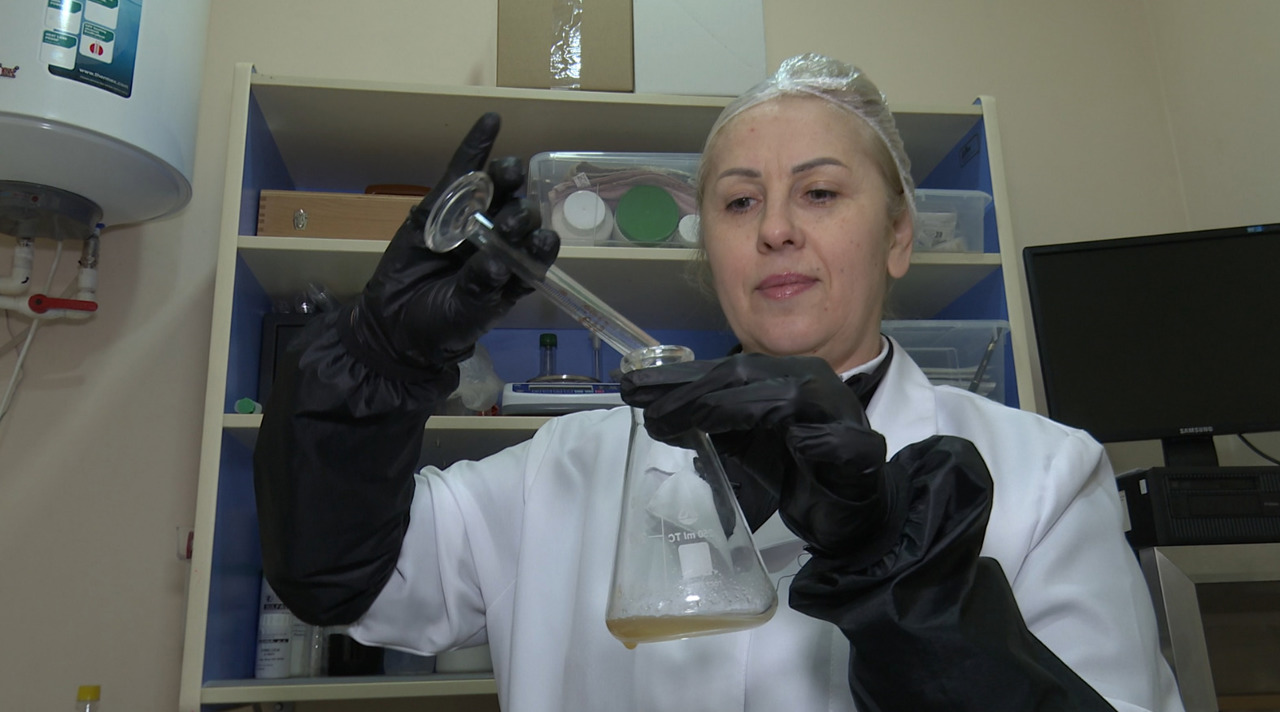
Developing the natural, double-fermented recipe required five years of research and testing. This rigorous process was essential to ensure a stable, additive-free product that meets international quality standards and preserves an authentic flavor profile.
To maintain these standards, the company enforces strict quality control. Suppliers must provide certificates of conformity and expert product reports. "Achieving a premium result requires premium raw materials," Baciu explains, emphasizing the transition from traditional farming to standardized processing.
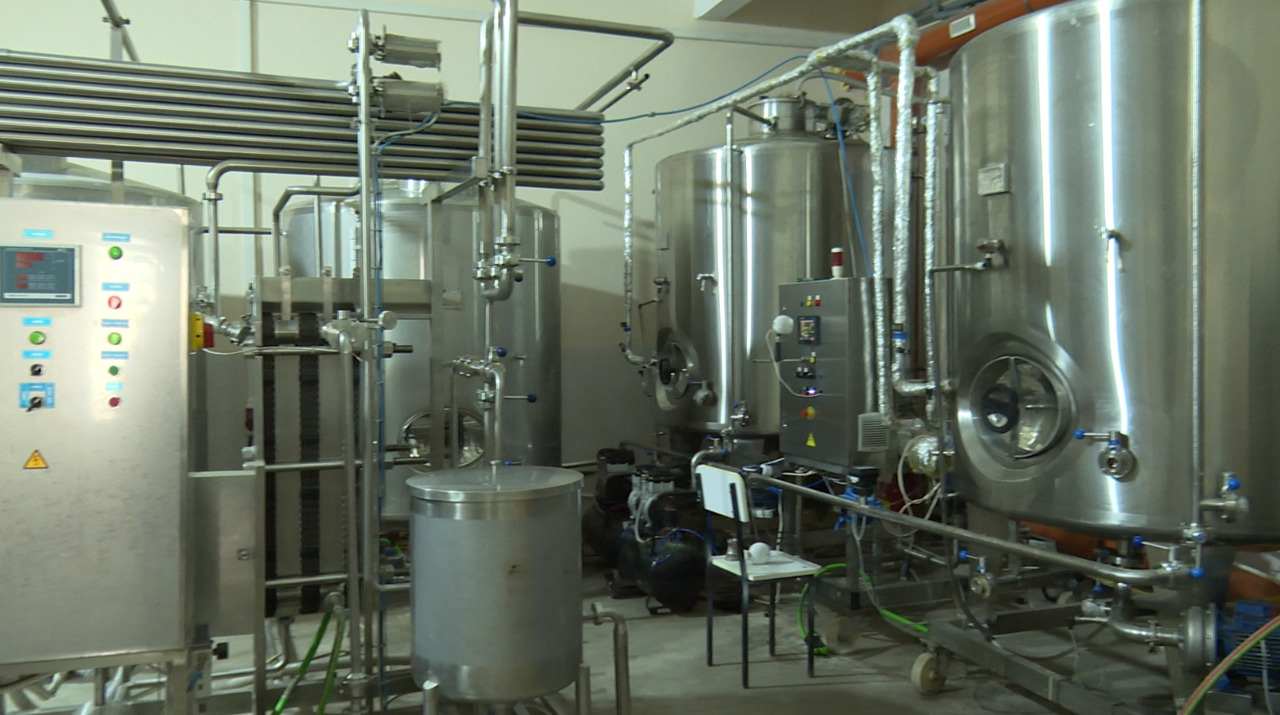
The business was scaled through a grant of €10,200 (approx. 199,920 MDL) provided by ODA. These funds were used to procure an automated bottling line, sealing systems, and advanced filtration equipment, ensuring every batch meets export requirements.
Consequently, the Cojusna-based vinegar has already secured placement within a major retail network in Romania. "Reaching this market required a calculated strategy and persistence," Baciu noted, adding that the company is now eyeing further expansion into broader European markets.
The ODA program specifically empowers female entrepreneurs, offering non-reimbursable grants of up to 200,000 MDL for startups and 600,000 MDL (€30,600) for business development. It also provides financial guarantees for those lacking sufficient collateral for bank loans.
"In collaboration with the Ministry of Economic Development and Digitalization, we have increased support for women and youth-led businesses," stated ODA Director Vadim Codreanu. He noted that financial contributions for these groups are now up to 10% higher than standard norms.
Funded by the Government of Moldova and the European Union, the program aims to boost financial independence and drive sustainable economic growth. By subsidizing these initiatives, the state fosters increased personal income and strengthens the national economy.
Translation by Iurie Tataru