Sleep lost during the week is not recovered on the weekend, experts
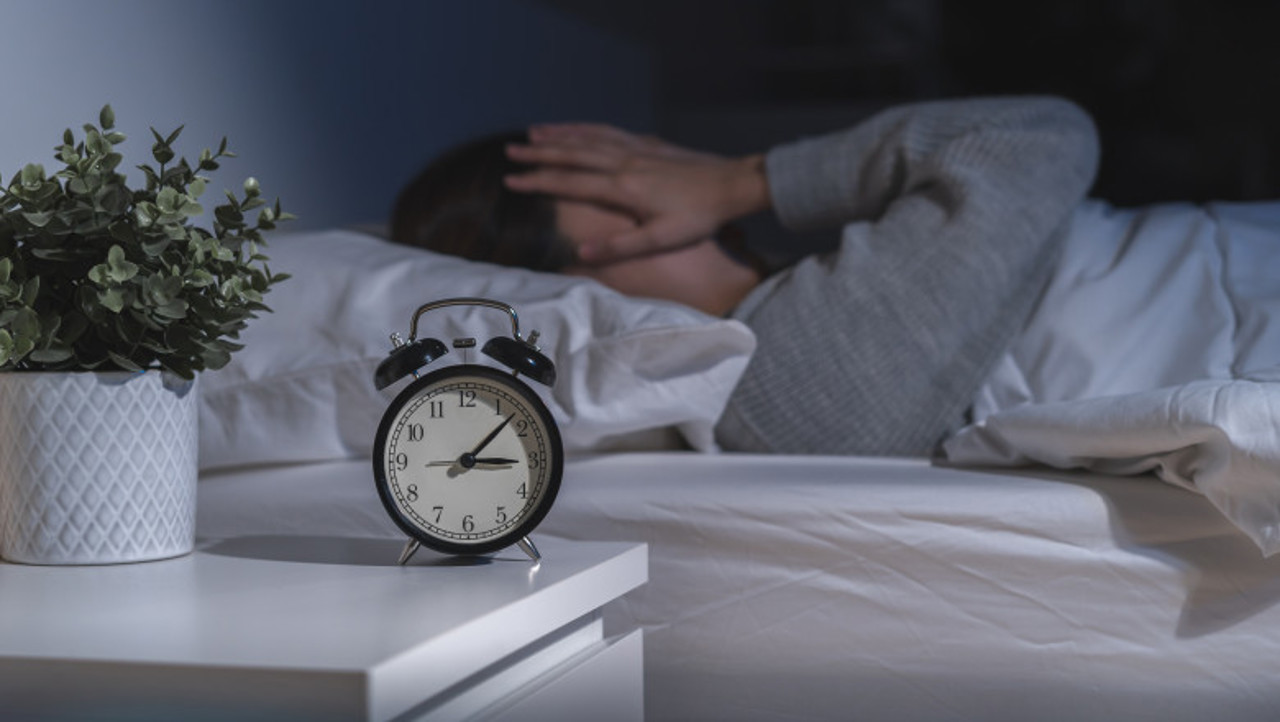
To increase productivity, many people are reducing their sleep to just a few hours each night, believing they can catch up on rest over the weekend. However, experts caution that the body requires around 7 to 8 hours of sleep each day, and trying to "make up" for lost sleep on Saturday and Sunday does not negate the negative health effects of sleep deprivation.
"Sleep is an absolute necessity. On average, we spend about 25 to 30 years of our lives sleeping, which is roughly one-third of our lives. Therefore, for an adult, seven to eight hours of sleep each night is considered normal. This amount of sleep is crucial for restoring the brain and body’s functions," explained Professor Victor Vovc, Doctor of Medical Sciences at the "Nicolae Testemițanu" State University of Medicine and Pharmacy, during the Bună dimineaţa program on Moldova 1.
According to the specialist, the body performs essential health processes during sleep. One of these processes involves the lymphatic system, which helps eliminate waste products from the brain.
"We often discuss the brain, but in recent years, the lymphatic system responsible for cleansing the brain has received significant attention. This system removes toxins and waste products, and it operates during sleep, which must be respected," the professor stated.
The human body functions according to a well-established biological rhythm. Around 4:00 to 5:00 in the morning, cortisol—the hormone that prepares the body for activity—begins to be released. Therefore, maintaining a regular sleep schedule is important.
"Research shows that some people feel fine sleeping only five hours. However, these individuals are exceptions. For most adults, the norm remains seven to eight hours of sleep. While sleeping only five hours may be a personal peculiarity, it is not typical," Victor Vovc emphasized.
The professor cautions that intentionally reducing sleep duration to have more time for daily activities can lead to a "sleep debt" that cannot be repaid later.
"Some people believe that if they sleep less during the week, they can catch up on sleep during the weekend. Research indicates that this is not the case; the negative effects persist," the specialist explained.

Also, the human body has adapted over millions of years to the alternation between day and night, and this biological rhythm, called the circadian rhythm, influences not only sleep but also digestion, muscle function, and many other physiological processes.
Recommendations for healthy sleep
In the context of World Sleep Day, marked annually on March 13, the specialist drew attention to the need to manage the rest schedule responsibly.
"In general, sleep must indeed be supervised by each person, because it is our sleep and it depends on us. Of course, there are also genetic factors, but especially adaptation and habit factors. For example, it is good not to go to bed later than 11:00 p.m.," said the professor.
According to him, going to bed late reduces the sleep period regulated by natural hormones produced in the dark. For this reason, specialists recommend avoiding screens and light sources before bed.
Sleep disorders, a health alarm signal
Doctors also draw attention to sleep disorders, which can indicate health problems. The most common are insomnia, which can be acute, caused by stress or difficult situations, or chronic, when it persists for more than three months.
"In many cases, insomnia can also be a symptom of depression. Unfortunately, in recent years, an increase in depression has been observed, and sleep disorders are often among the first signs. If a person tries to regulate their sleep and fails, they should consult a doctor," said Victor Vovc.
Another common problem is apnea, a condition characterized by repeated stops in breathing during sleep. People who snore may suffer from this disorder without knowing it.
"Many people say, 'He snores like a champ; he's healthy.' In reality, it can be just the opposite. Sleep apnea involves repeated stops in breathing during sleep," the professor explained.
According to estimates, about 4% of men of working age suffer from this problem, and in large cities there could be tens of thousands of people who snore without knowing that they have sleep apnea. The condition can cause excessive daytime sleepiness and increase the risk of road accidents.
Why we sleep less as we age
The specialist also says that, as we age, sleep becomes shorter and more fragmented, because the central nervous system has more difficulty adapting to the circadian rhythm, and sensitivity to stimuli such as light or noise increases.
"One of the recommendations for good sleep is to reduce sound and light stimuli during the night. Sleep is a condition of normal life, just like physical exercise and healthy eating," emphasized Victor Vovc.
According to specialists, lack of sleep has consequences not only on individual health, but also on society, generating significant economic costs and affecting productivity, which is why the topic is constantly promoted by international public health organizations.