Eugen Osmochescu: Republic of Moldova has removed all Soviet-era business standards
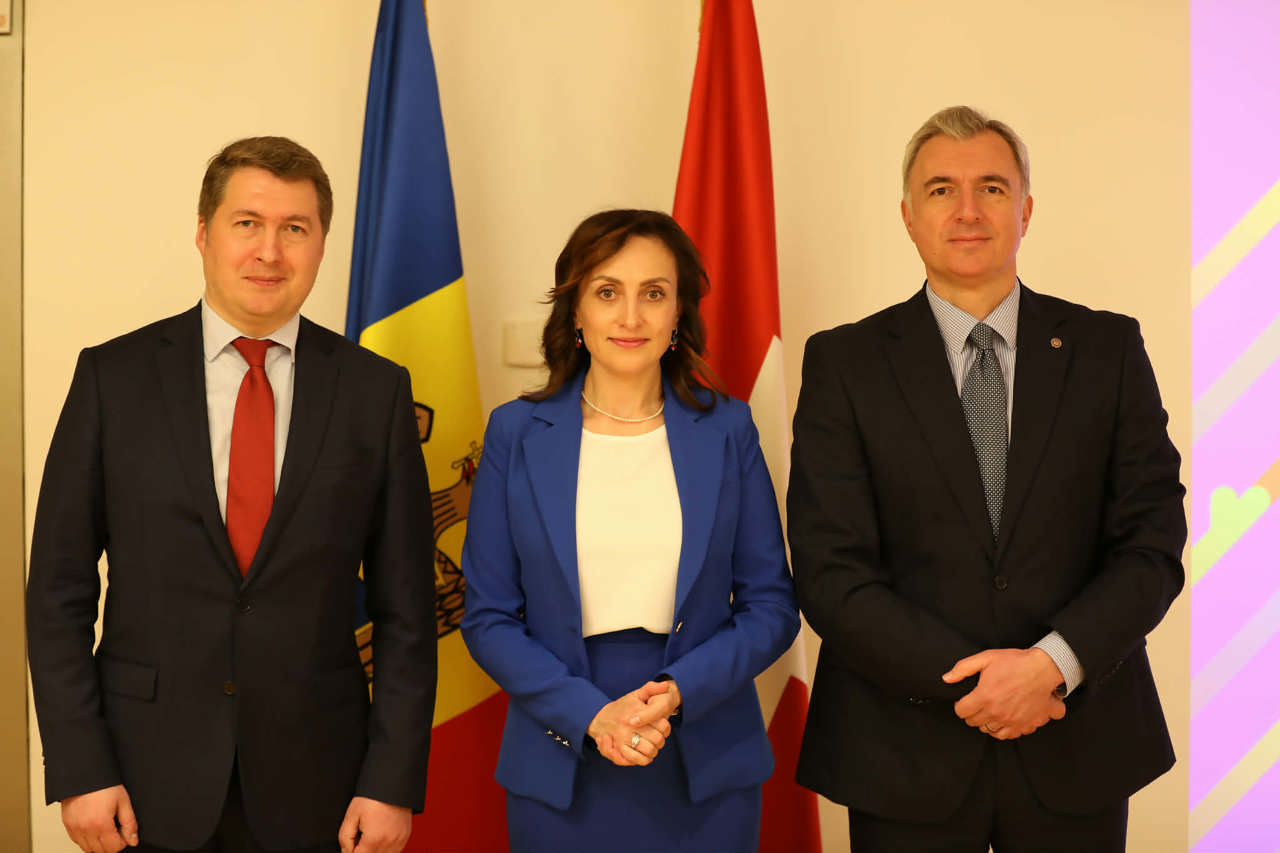
The Republic of Moldova has successfully aligned its business operation standards with those of the European Union. As of January 1, 2026, all regulations inherited from the Soviet era have been eliminated. This announcement was made by Deputy Prime Minister Eugen Osmochescu, Minister of Economic Development and Digitalization, during the Moldova-Switzerland 2026 Business Forum held in Zurich on March 12.
The forum celebrated one year since the Free Trade Agreement between the Republic of Moldova and the member states of the European Free Trade Association (EFTA) came into effect.
Eugeniu Osmochescu emphasized that the Republic of Moldova has benefited from free access to the EU market for over ten years through the Association Agreement and the Deep and Comprehensive Free Trade Area with the EU. Currently, the European Union accounts for over 68% of Moldova’s foreign trade.
The EFTA Agreement, which came into force on April 1, 2025, extends this access to non-EU EFTA countries, including Switzerland, Norway, Iceland, and Liechtenstein.
"With the free access we have to the European Union market, we can now also access EFTA states, which are not necessarily EU members. Starting January 1, 2026, we will have completely eliminated all standards inherited from the Soviet Union. Nothing will remain of that legacy; everything will comply with European Union standards," stated Eugen Osmochescu at the event.
Digitalization and support tools for investors
To attract investors to the Republic of Moldova, the Deputy Prime Minister mentioned that most public services for the business environment are already available online. He noted that the digitalization level in the relationship between the Government and the business environment is expected to reach approximately 76%.
The state also supports companies investing between 10 and 20 million euros in the Republic of Moldova through grant programs, state guarantees, and assistance for value chains managed by the Organization for Entrepreneurship Development.
Osmochescu pointed out that the primary challenge for investors is psychological rather than legal: “The challenge is psychological because people question the sustainability of investments, their predictability, and the level of safety.”
Presence in over 90 markets and the advantage of proximity
Moldovan products are already present in more than 90 export markets, and electronic components from Moldova are integrated into international brands and products, affirmed Irina Tolstousov, deputy director of the Investment Agency of the Republic of Moldova during the same event.
"International producers should be aware that they are already consumers of 'Made in Moldova' products. We supply agricultural products to over 90 markets and are integrated into international products and brands from an electronic perspective," Tolstousov noted.
She also highlighted the geographical advantage as a compelling argument for investors: Moldova's location enables the rapid delivery of fresh products to consumers and warehouses, which is particularly important for the agri-food sector.
"We are close to investors, and this short supply chain provides many favorable arguments, especially in a context where companies wish to operate alongside their consumers, logistics centers, distribution centers, and production centers," declared Irina Tolstousov, while presenting the investment map developed by the Investment Agency.
Sectors with potential from a Swiss perspective
Guido Beltrani, Director of the Swiss Cooperation Office in the Republic of Moldova, has identified four priority areas for Moldovan-Swiss partnerships: the agri-food sector, electronics and energy, information and communication technology (ICT), and light industry, including textiles.
Moldova's ICT sector has been highlighted as a success story. According to Beltrani, “If you examine the growth in income and exports, it is on a very strong upward trajectory, making the country an ideal location for digital services.”
He also stressed the importance of simplifying the business environment, investing in infrastructure and vocational training, complying with EU and EFTA market standards, and fully implementing the EFTA Agreement. These factors create favorable conditions for unlocking potential in the identified sectors.
The Swiss Cooperation Office offers two main types of support. The first is technical assistance to Moldovan authorities, which includes support for Moldova Invest and the dual system of vocational education and training. The second type consists of direct financial assistance, providing grants for innovation, equipment modernization, energy efficiency, and programs for women entrepreneurs.
“Last year, we assisted a company in introducing a spring frost protection system, which is the first of its kind in the Republic of Moldova,” Beltrani mentioned.
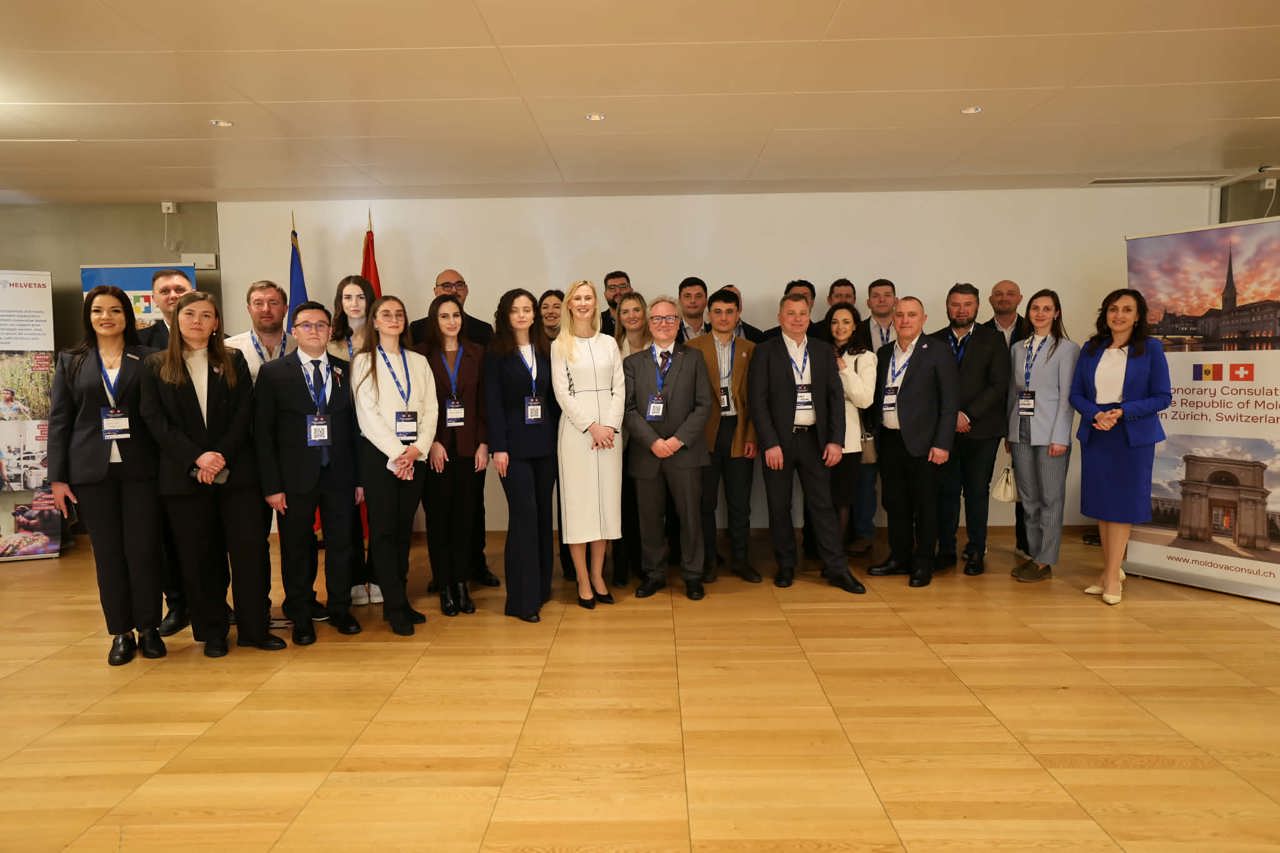
The event began with remarks from Valentina Ceban, Honorary Consul of the Republic of Moldova in Zurich. She reminded attendees that April 1, 2026, will mark one year since the EFTA-Moldova Agreement went into effect.
Approximately 30 Moldovan companies involved in engineering, electromechanics, industrial production, and the agri-food sector participated in sectoral sessions and B2B meetings.
Additionally, another investment-focused conference titled "EU - Moldova Invest" is scheduled to take place from June 3 to 4, 2026, in the Republic of Moldova.