Government cuts public spending: Nonessential purchases will be reduced by at least 10%
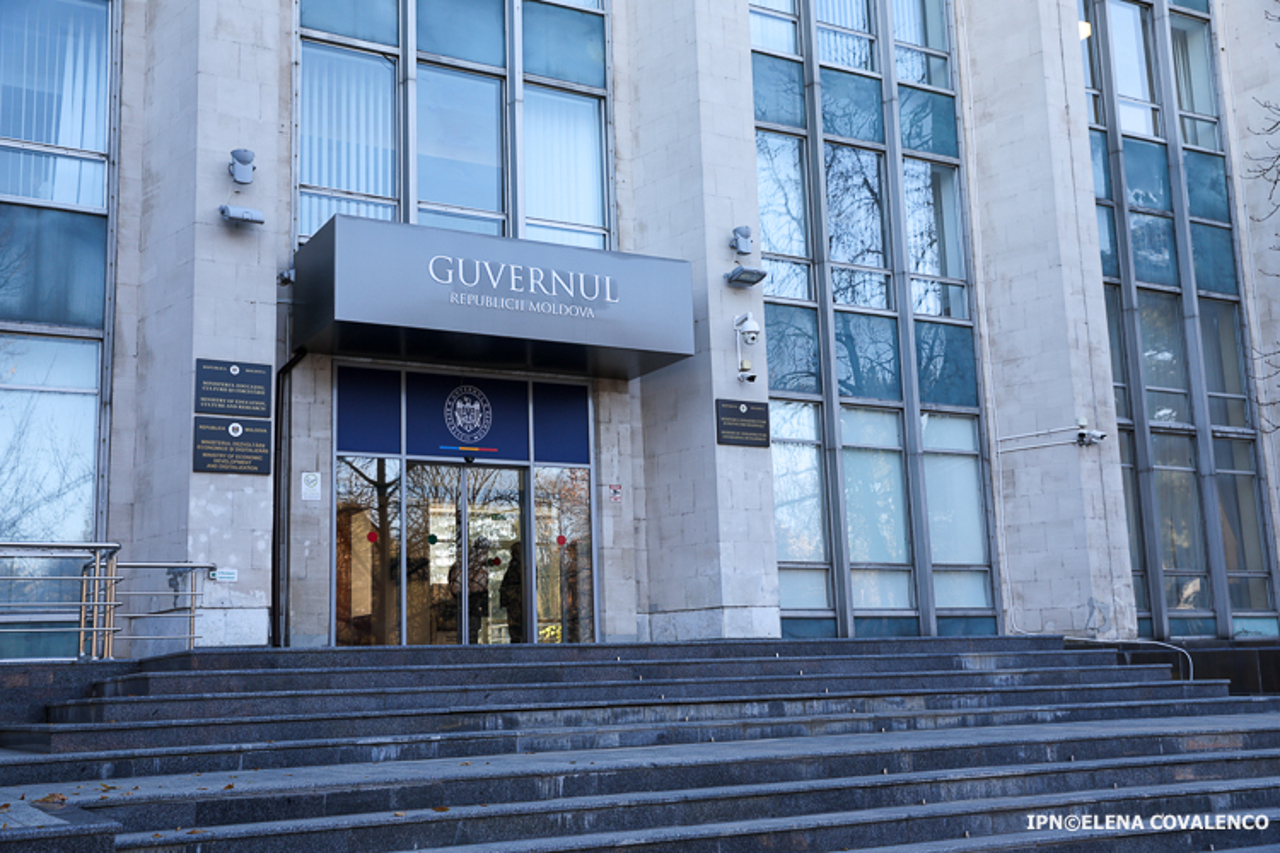
Budget institutions in Moldova must cut planned 2026 purchases and enforce strict spending controls. Prime Minister Alexandru Munteanu issued the directive amid a tense international economic context and rising energy and fuel prices, which could further strain the public budget.
“I have requested all budgetary authorities and institutions to establish strict control over expenditures and review procurement plans for 2026. Procurements that are not of critical necessity will be reduced by at least 10%, and expenditures for official transportation and the number of transport units will be reduced by at least 20%,” the prime minister announced on March 13.
According to Alexandru Munteanu, the state must set an example of responsibility in the use of public funds.
“Public resources must be concentrated where they are truly needed: in infrastructure, in the functioning of essential state services and in maintaining economic stability,” the official pointed out.
In the request to public institutions, the prime minister argues that the review of expenditures is necessary in light of several budgetary pressures. This concerns the impact of the increase in oil prices, the need for additional interventions to rehabilitate infrastructure, requests to increase the number of employees in budgetary institutions, and the effects of the future salary law.
Therefore, public institutions must reevaluate all procurement requirements and identify only those goods, works, or services that are essential to the activity. Also, procurement plans will be revised to reduce their total value by at least 10%, and procurements that are not strictly necessary for the institutions' functioning will be eliminated.
At the same time, institutions will also have to review procurement contracts already concluded, where possible, reducing their value through additional agreements. Public procurement procedures that do not target critical needs may be canceled, with the decisions reported to the competent authorities.
"The optimization measures will target with priority certain categories of procurement, such as means of transport, furniture, computing and office equipment, as well as other goods or services that are not essential for the current activity of the institutions, including current building repair works," the document states.
Also, ministries and central administrative authorities will have to reduce by at least 20% both the expenses for official transport and the number of transport units used in institutional activity, and will be obliged to present a justification for maintaining the car fleet considered critical.
Monitoring the application of these measures will be carried out by the Public Procurement Agency, which will transmit weekly to the Ministry of Finance information on canceled procurement procedures and additional agreements through which the value of contracts was reduced.
The indications signed by Prime Minister Alexandru Munteanu will remain in force until a new decision is issued regarding the cessation of the application of the measures to optimize budgetary expenditures.