=Moldova will not return to Russian gas, despite opposition calls, Igor Grosu
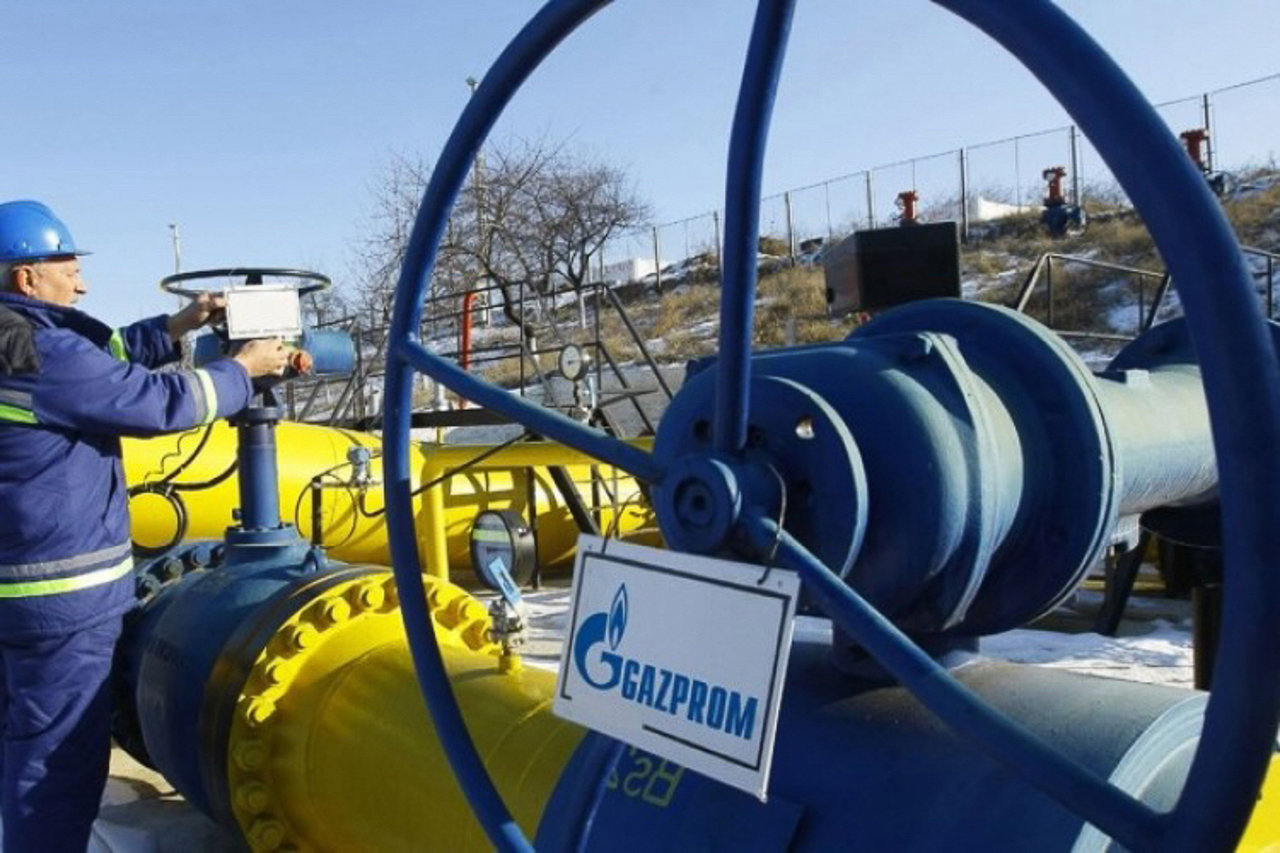
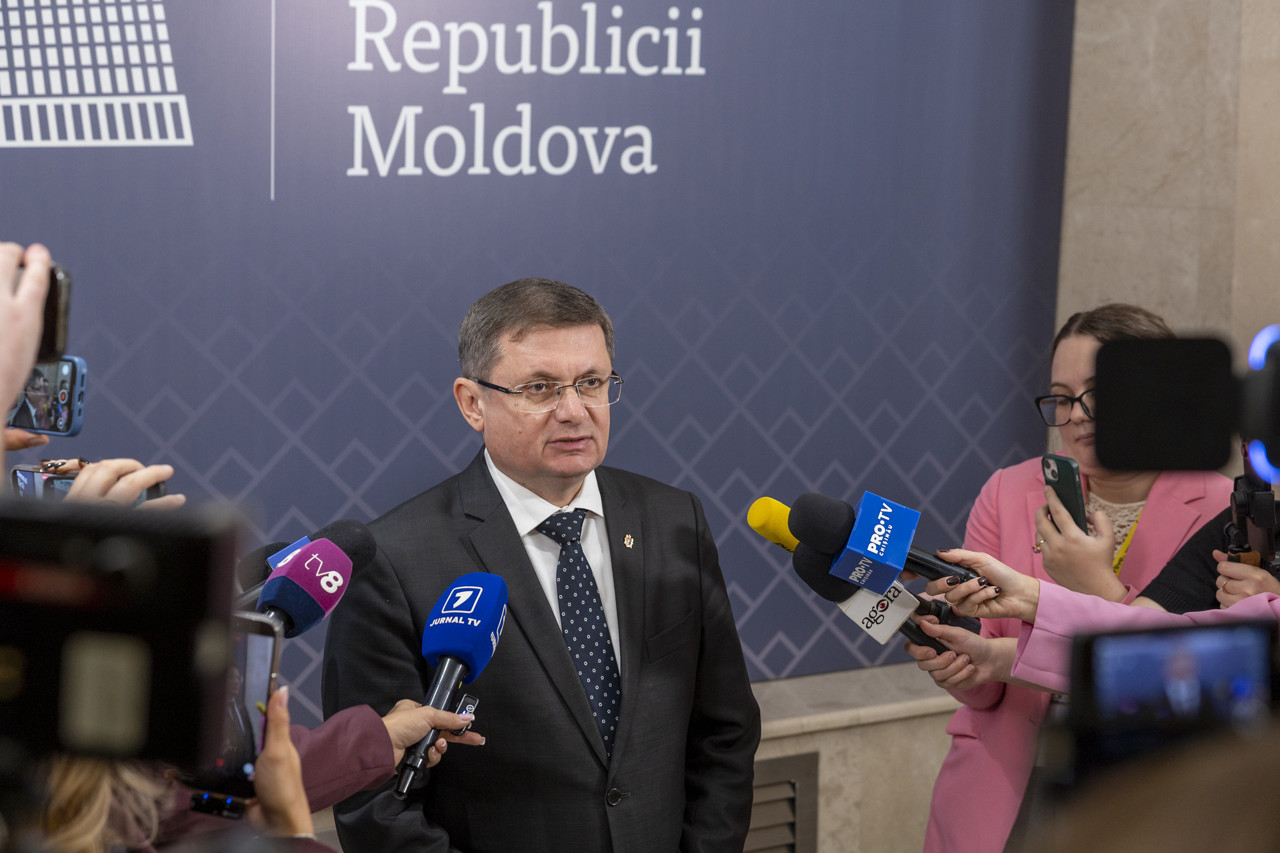
The Republic of Moldova is not planning to return to Russian gas, despite requests from some opposition parties to restart direct negotiations with Moscow. The Speaker of the Parliament, Igor Grosu, states that recent years have demonstrated how Gazprom has used gas supplies as a tool for political pressure on Chisinau.
Opposition politicians suggested that the Republic of Moldova should resume direct gas supplies from the Russian Federation. Igor Grosu addressed these proposals.
He stated, “I remind this citizen that, even as we speak, the contract between Gazprom and Moldovagaz remains valid. If I’m not mistaken, it is set to expire at the end of this year. However, this is not the main issue. The claims made by this politician serve as a smokescreen, which he is attempting to exploit to appear significant and relevant during this crisis.”
During a Realitatea program, Grosu clarified that the primary issue is not the existence of the contract, but rather how the Russian Federation has manipulated gas supplies in its dealings with the Republic of Moldova. He also commented on the gas supply situation in the Transnistrian region, pointing out that such supplies continue through opaque mechanisms, leaving uncertainty about who is actually covering the costs of gas consumption on the left bank of the Nistru.
“I suspect someone within the Russian Federation is covering these costs, but we don’t have precise information. Transactions are processed swiftly, and each time they occur—sometimes from one day to the next—intermediary banks or European companies, whether they are under sanctions or not, closely monitor the accuracy of the transactions,” Grosu explained. He suggested that for the Russian Federation, the regime in Tiraspol has become like a "diamond without a handle"—difficult to manage but too valuable to abandon.
Grosu also remarked that the economic situation on the left bank of the Nistru remains precarious, with an increasing number of residents seeking employment on the more stable right bank. He noted, “The Republic of Moldova has transparent and predictable alternatives, including financial assistance from the European Union to address the energy crisis. However, the so-called authorities in Tiraspol have rejected these options.
"I believe they are not rejecting these alternatives by choice, but because the Kremlin is directing them," he added. Grosu emphasized that, in the long term, the Transnistrian region must adapt to the principles of a market economy, indicating that the current model—where they consume energy resources while accumulating vast debts—cannot be sustained indefinitely. “There is no longer a viable model that allows for such practices,” he asserted, reiterating his concerns.
The Minister of Energy, Dorin Junghietu, has expressed that resuming a gas contract with Gazprom is not a viable option for the Republic of Moldova. He pointed out that the Russian company has previously failed to meet its contractual obligations and has unilaterally cut off gas supplies.
According to Junghietu, the authorities in Chisinau will continue to diversify their sources of supply and integrate into the European energy market. He noted that gas can still be acquired from regional markets. Additionally, the Republic of Moldova has strategic reserves of approximately 50 million cubic meters of gas stored in underground facilities in Ukraine and Romania, which can be utilized in times of need.