Belgian PM sparks EU crisis by calling for "grand bargain" with Moscow
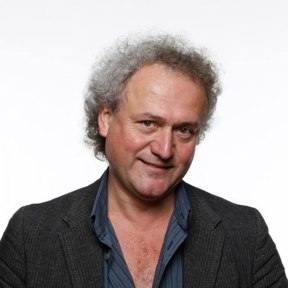
Belgian Prime Minister Bart De Wever has sent shockwaves through Brussels by calling for a formal mandate to negotiate an end to economic sanctions against Russia. The leader of the governing coalition argues that the European Union must pursue a "deal" with Moscow, citing the bloc's inability to force a military conclusion to the conflict.
The proposal marks a significant fracture in European diplomatic unity, originating from the very nation that hosts the EU and NATO headquarters. De Wever’s stance aligns him with Hungary’s Viktor Orbán, signaling the emergence of a pragmatic, populist axis within the European Council that questions the long-term viability of current Western strategy.
Financial safeguards and Euroclear
Central to De Wever’s pivot is the protection of Belgium’s financial reputation. He remains staunchly opposed to seizing frozen Russian assets managed by Euroclear, warning of unprecedented legal and financial risks. "There is no legal basis to authorize the confiscation of these assets," De Wever stated, prioritizing the stability of the Belgian-based clearinghouse.
During the December EU summit, the Belgian leader successfully pushed for a common €90 billion loan to support Ukraine instead of asset seizure. However, this EUR 90 billion package currently remains stalled due to opposition from Hungary, further complicating Kyiv's defense efforts.
The Korean model and U.S. fatigue
De Wever maintains that a total Russian defeat is impossible without "100% American support," which he claims is wavering. He predicts the conflict will inevitably lead to a "Korean-style" military border. "In private, European leaders tell me I am right, but no one dares to say it out loud," the Prime Minister claimed during a recent interview with L'Echo.
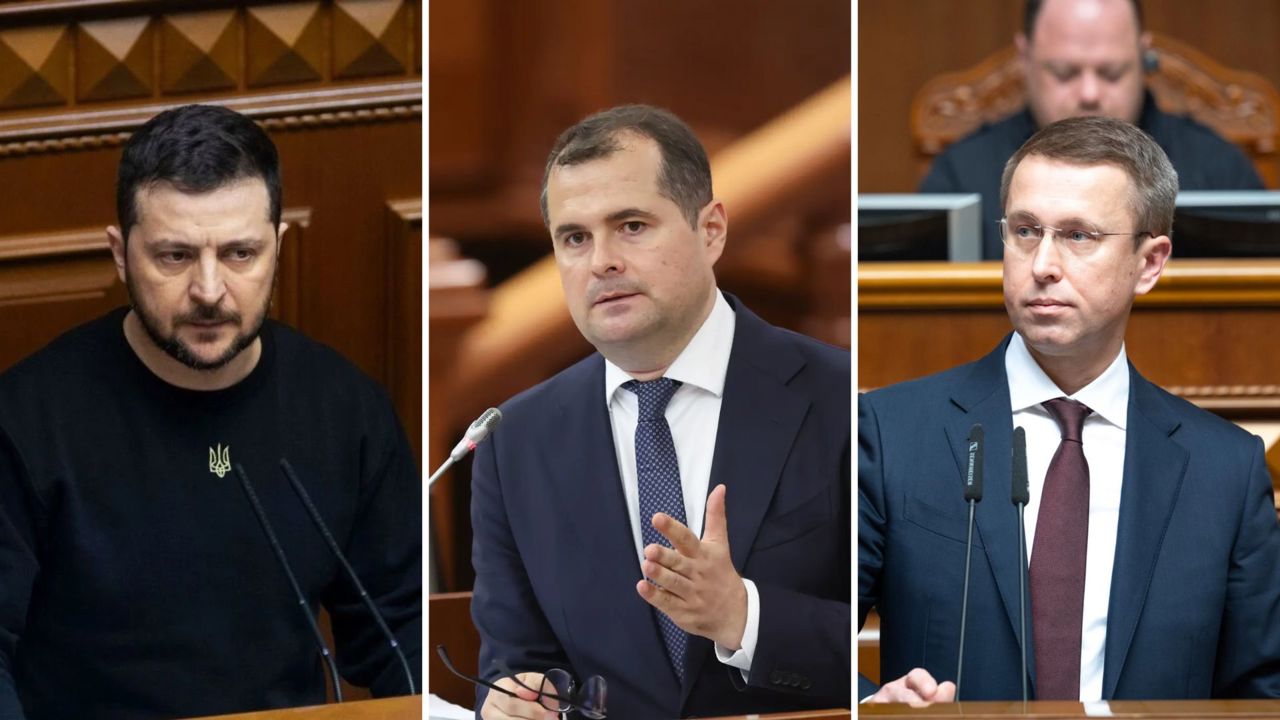
This shift has drawn a sharp rebuke from Ukrainian President Volodymyr Zelensky, who described the situation as "geopolitical blackmail." Zelensky accused European leaders of tying the release of military aid to the reopening of the Druzhba oil pipeline, highlighting the deepening mistrust between Kyiv and its continental partners.
Diplomatic friction in the Council
The Belgian proposal contrasts sharply with the "maximalist" stance of EU Foreign Policy Chief Kaja Kallas. While Kallas demands Kremlin concessions and troop reductions before any dialogue, De Wever argues that Europe is funding a war where it no longer has a seat at the negotiating table, leaving its fate to a potential deal between Washington and Moscow.
Translation by Iurie Tataru