Moldova unveils 2026-2030 national strategy to combat money laundering and terrorism financing
The Republic of Moldova is set to overhaul its national framework for preventing money laundering and terrorism financing. The new 2026-2030 National Program aims to accelerate suspicious transaction detection, enhance criminal investigations, and optimize the recovery of illicit assets.
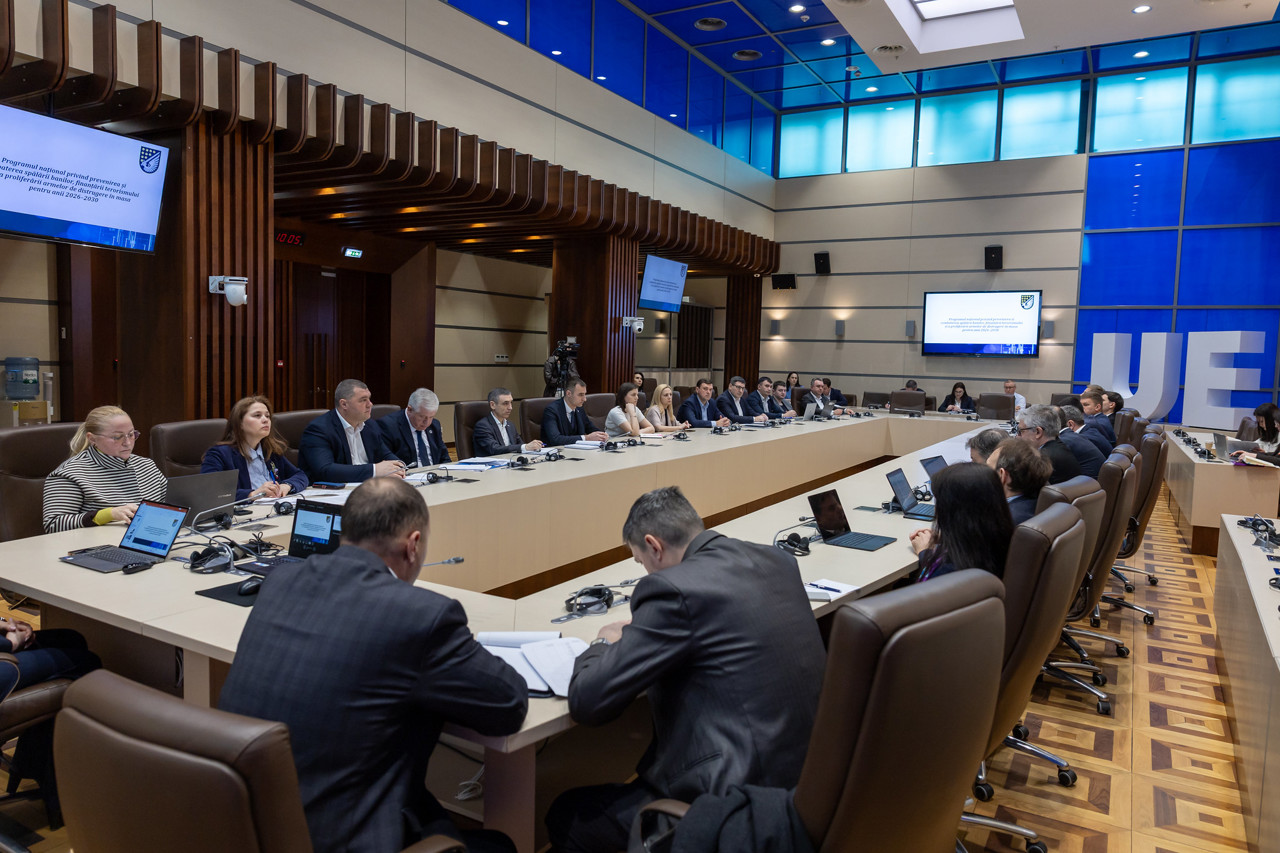
The draft strategy was debated on Monday in Parliament by the Committee for National Security, Defense, and Public Order. Aligned with Financial Action Task Force (FATF) standards and European Union directives, the document addresses critical vulnerabilities identified during a 2025 national risk assessment.
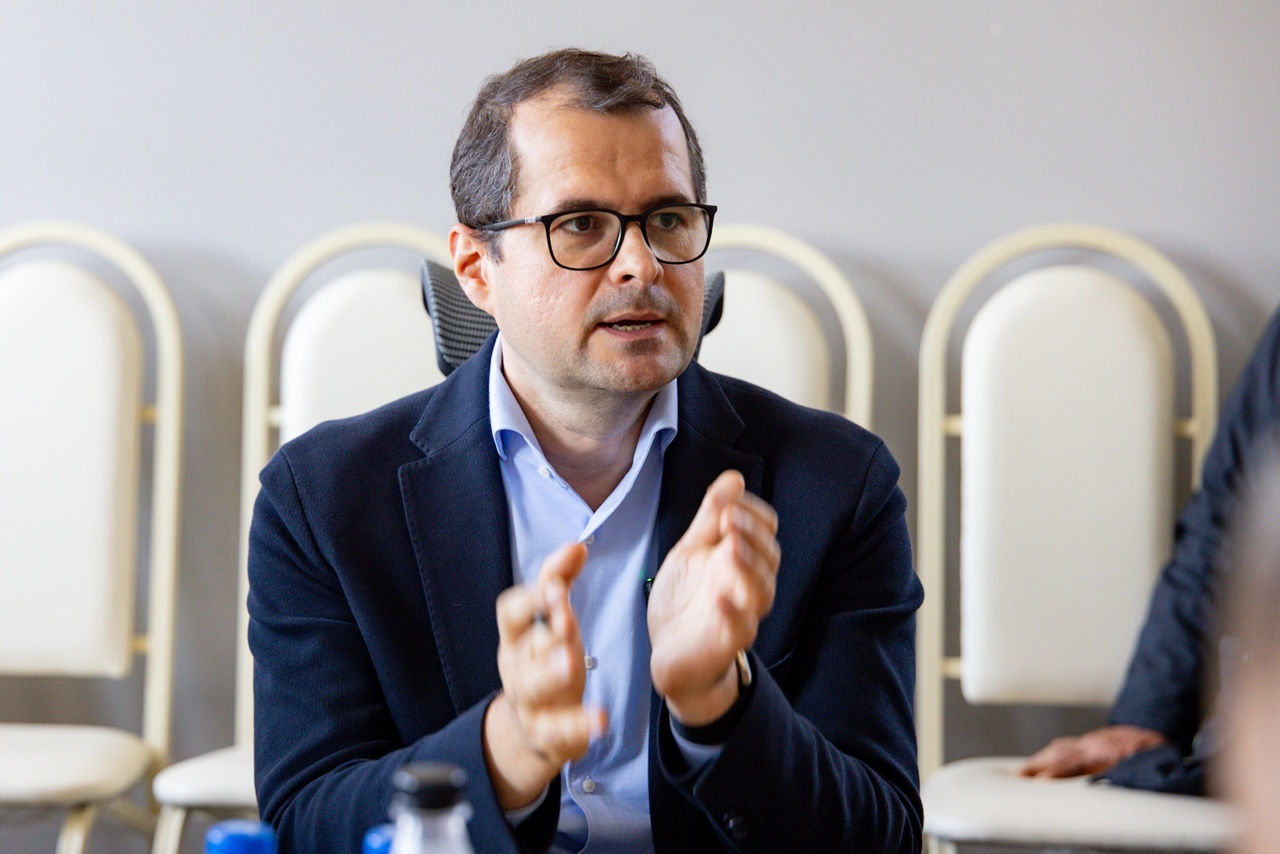
"Moldova faces a pivotal evaluation in 2028," stated Andrian Munteanu, Director of the Service for Prevention and Combating of Money Laundering (SPCSB). "By 2027, we must demonstrate tangible statistical results to international evaluators, proving that our authorities not only understand systemic risks but are actively rectifying them."
Addressing systemic vulnerabilities
Previous assessments highlighted significant hurdles, including the prevalence of cash-intensive transactions and a limited track record in autonomous money laundering investigations. The 2026-2030 Program shifts focus from mere legislative compliance to operational efficiency and concrete judicial outcomes.
Lilian Rusu, State Secretary at the Ministry of Justice, emphasized that prevention is now the cornerstone of the strategy. The goal is to consolidate information-gathering mechanisms to intercept financial crimes before they occur, rather than reacting post-factum.
The program also targets the "recovery gap" by streamlining the identification and judicial forfeiture of criminal assets. This involves tighter cooperation between the SPCSB, the General Prosecutor’s Office, and international partners to enforce global sanctions rapidly.
Balancing enforcement and professional privilege
The parliamentary debates also surfaced institutional friction regarding jurisdictional boundaries. The General Prosecutor’s Office called for a clearer demarcation of duties, particularly concerning international cooperation and the technicalities of asset freezing during criminal proceedings.
Legal professionals expressed concerns regarding the impact on client confidentiality. Anatolie Barbacar, President of the Moldovan Bar Association, warned that new reporting obligations must not conflict with existing laws governing the legal and notarial professions.
"We must find a balance between the duty to report and the fundamental rights of clients," Barbacar noted. Similarly, representatives from the Notary Chamber and the Union of Bailiffs requested enhanced methodological support to better identify high-risk financial profiles without compromising their professional integrity.
The 2026-2030 National Program will undergo further refinement before being officially registered for a final vote in Parliament.
Translation by Iurie Tataru