Cristina Gherasimov: Near-unanimous EU support for Moldova’s accession talks

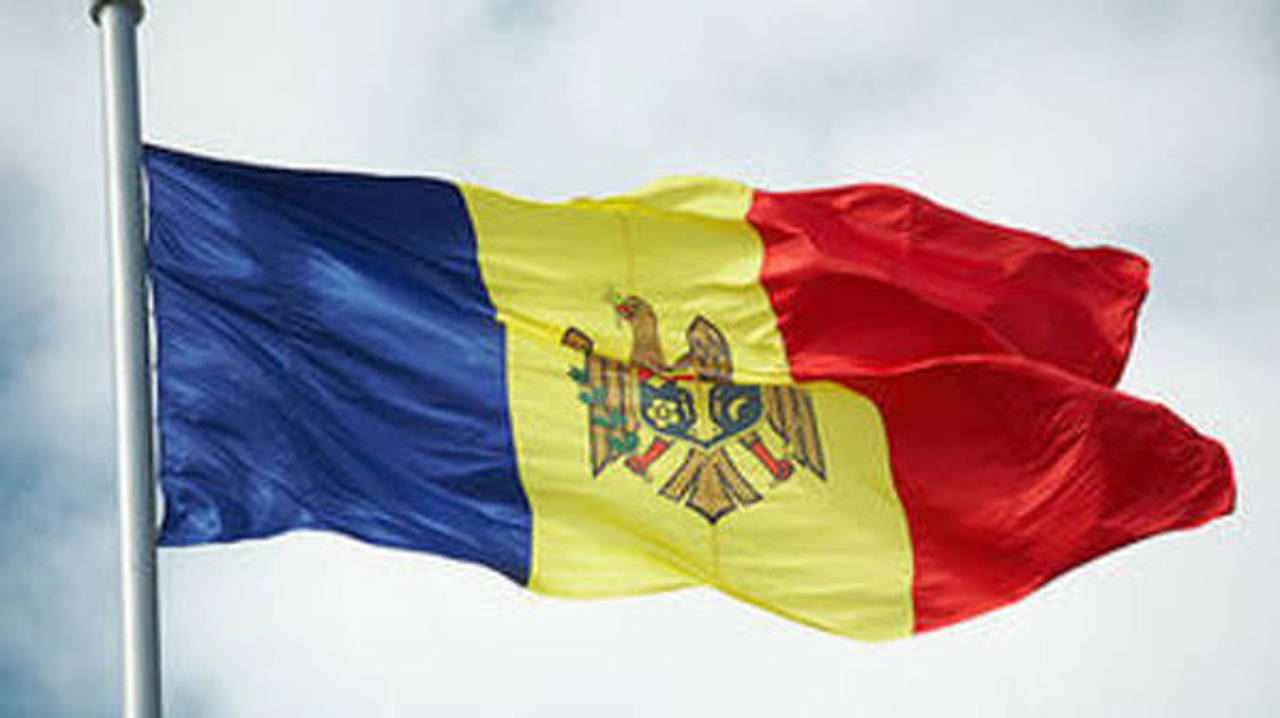
The Republic of Moldova has made significant progress in its accession process to the European Union (EU), and all 27 EU member states have expressed their support for the country’s European path, as well as for the official opening of negotiations by chapter clusters, said Deputy Prime Minister for European Integration Cristina Gherasimov following the meeting of EU Ministers for European Affairs held on March 17 in Brussels.
“Essentially, every EU member state reiterated its support for our European path. Representatives of all speaking countries expressed support for the formal opening of negotiations across all six chapter clusters,” said Moldova’s Chief Negotiator.
The EU also reaffirmed its willingness to continue providing assistance and expertise to support Moldova’s economic and social transformation.
“The message today is that Moldova is not alone in this deep reform process of its economy and society. We have assurances of solidarity and continuous support from member states,” added Deputy Prime Minister Cristina Gherasimov.
Moldova’s EU accession process has two dimensions: political and technical. The technical dimension advanced significantly today with the opening of negotiations on the last three chapter clusters: Competitiveness and Inclusive Growth, Green Agenda and Connectivity, and Resources, Agriculture, and Cohesion.
While much remains to be done, it is crucial for the country to continue implementing reforms to align with EU standards in infrastructure, public services, and environmental protection, Gherasimov emphasized.
“You cannot have a political vote in favor of accession without implementing the reforms and measures needed to meet European standards. Today, we successfully opened essential chapters, including those addressing infrastructure, cleaner drinking water, and a better-protected environment,” she said.
Among Moldova’s key achievements, Gherasimov noted the implementation of 24 of the 26 planned reforms in the Growth Plan, which triggered a new tranche of EU financial assistance worth approximately €200 million to support the country’s economy.
The two remaining reforms relate to the energy sector, but these are expected to be completed in the first half of this year, Gherasimov assured.
Marta Kos advocates revising accession methodology
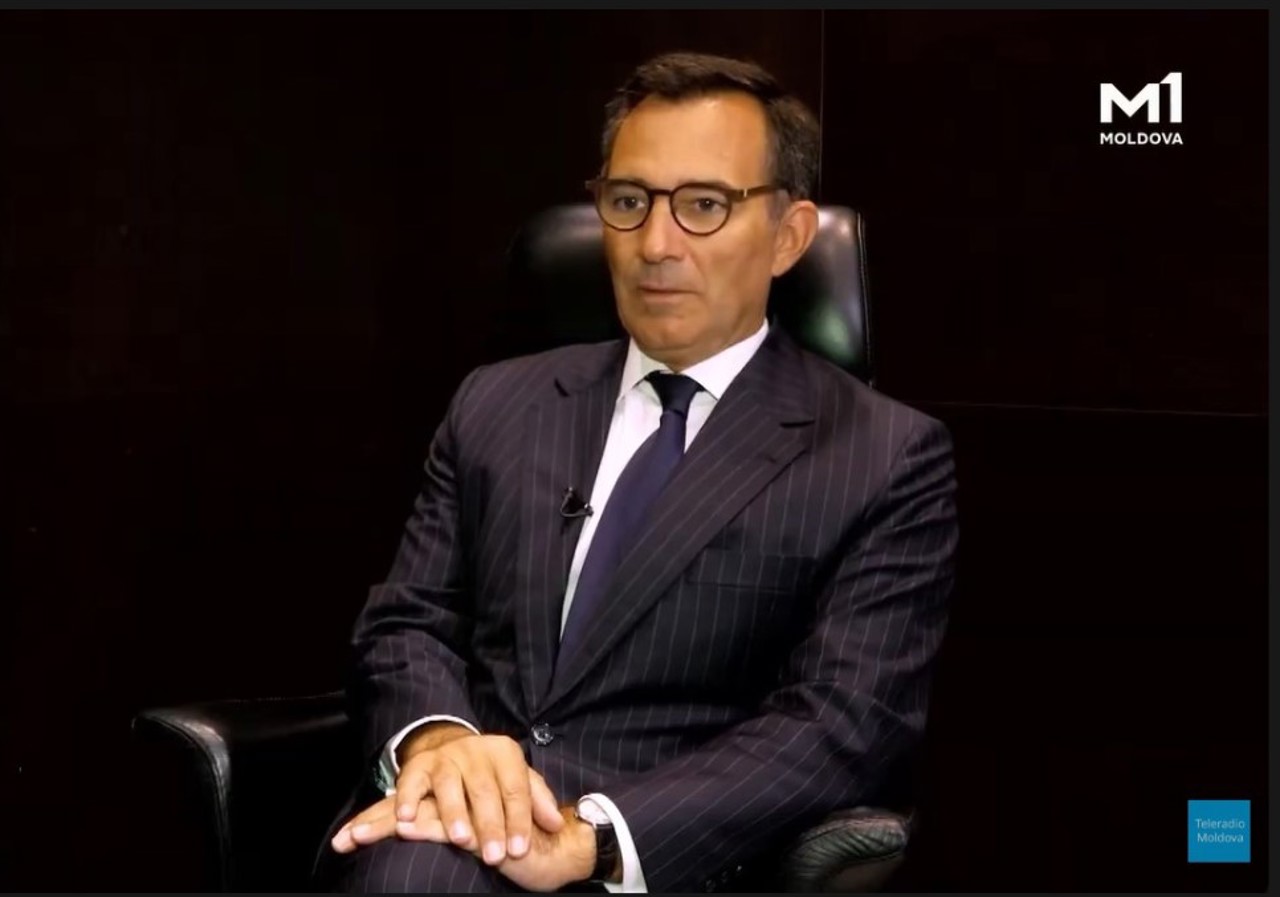
Asked about the possibility of reaching consensus to unblock the EU accession process for Ukraine and Moldova despite Hungary’s veto, EU Enlargement Commissioner Marta Kos told Moldova 1 TV that the accession process for Moldova and Ukraine does not have a fixed timetable and depends on each country’s merits and achievements in key areas.
Although Moldova is making significant progress, the formal opening of negotiations depends on the member states’ ability to reach consensus despite Hungary’s opposition.
“The process is not just technical. It is indeed technical, plus more. It demonstrates that a country is developing and delivering, and we should reward these efforts,” she said.
Kos also emphasized the need to reform the accession methodology to address current geopolitical challenges and adapt the process to today’s realities amid pressures from the East and West.
Moldova’s European path accelerated on March 3, 2022, with the official submission of its EU membership application. After gaining candidate status in June 2022 and following the European Council's historic decision in December 2023, the country entered the practical phase of dialogue with Brussels.
The official launch of negotiations in June 2024 was followed by a bilateral screening phase, culminating in December 2025 with the opening of the first technical negotiations on three of the six clusters.
Currently, efforts focus on aligning national legislation with EU acquis across all 35 chapters, organised into six thematic clusters.