Costa: EU prioritizes enlargement to Balkans, Ukraine, Moldova
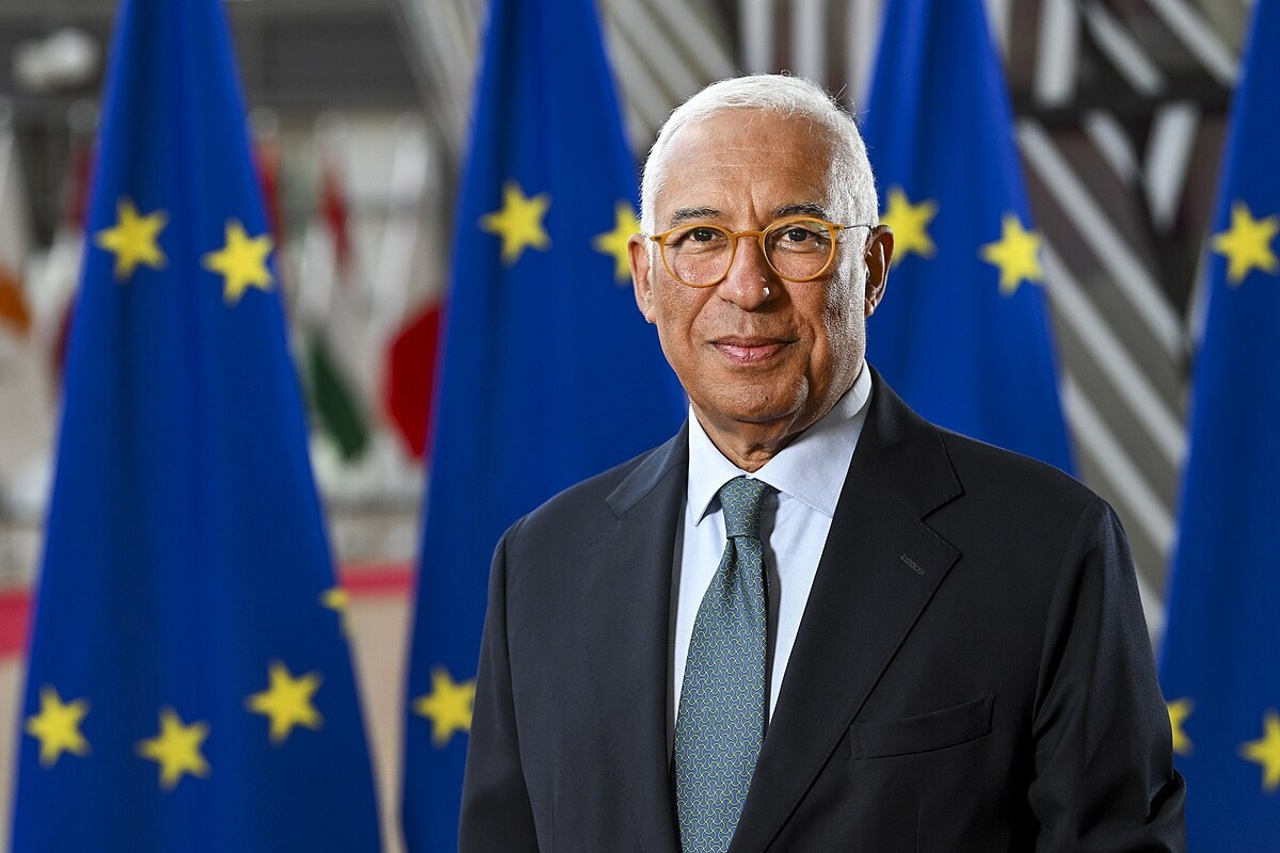
The European Union (EU) considers the enlargement to include the Western Balkans, Ukraine, and the Republic of Moldova to be a top priority. However, numerous reforms must be implemented to meet all the Copenhagen criteria, as enlargement is merit-based. This was stated by the President of the European Council, Antonio Costa, according to Tanjug's report on March 17, as quoted by Agerpres.
Antonio Costa emphasized the importance of enlargement in an interview with European Newsroom that was published on Tuesday. He stated, “At the same time, we need to understand the significance of enlargement. We must also consider our internal reforms and what we need to do internally in relation to this process.”
Costa discussed the management of the enlargement process, highlighting the need for creativity. He stressed that this should not come at the expense of adhering to established criteria, stating, “Our enlargement must be based on merit, but we also have a significant obligation to respect our commitments. I count on the full cooperation of the 27 member states and the eight candidate countries.” He was responding to questions about the possibility of some Western Balkan countries joining the EU by 2030.
When asked by Tanjug whether he would support accession without the possibility of a veto—a stance backed by Albania and Serbia—Costa noted, “If we look at the previous seven enlargement processes, we see that there were always some provisional clauses and gradual integration measures. Therefore, in the upcoming enlargement, we will need to include some form of transition period.”
“Our most important goal is to maintain unity while ensuring diversity,” he added.
Costa expressed his reservations about terms like "two speeds" or "different concentric circles," but acknowledged the reality that the Union already has differing levels of integration. He pointed out, “Some member states are not part of the Schengen area, others are not in the euro area, and some are neither in the Schengen area nor the euro area. In the future, we may see some member states not entering all dimensions of the Union immediately, and there may be instances where existing members withdraw due to dissatisfaction with the level of integration achieved.”
Additionally, the Deputy Prime Minister for European Integration, Cristina Gherasimov, announced after the March 17 meeting of European Affairs ministers in Brussels that the 27 EU member states have expressed support for our country's European path and for the official opening of negotiations on various chapters.
On March 17, the Republic of Moldova initiated technical negotiations for the last three groups of accession chapters: Competitiveness and Inclusive Growth, Green Agenda and Connectivity, and Resources, Agriculture and Cohesion.
Experts have noted that these are among the “most challenging chapters," but they agree that “technical negotiations pave the way for the rapid opening and closing of these chapters” once a political decision is made regarding Moldova’s accession.