“Moldova one step closer to EU”: toughest negotiation clusters listed by experts
The Republic of Moldova and the European Union will face challenging negotiations in key areas, including agriculture, transport, competition, and justice. Experts suggest that our country will need an effective communication strategy to inform citizens about certain reforms that may initially cause dissatisfaction. However, these reforms have the potential to bring significant benefits in the future.
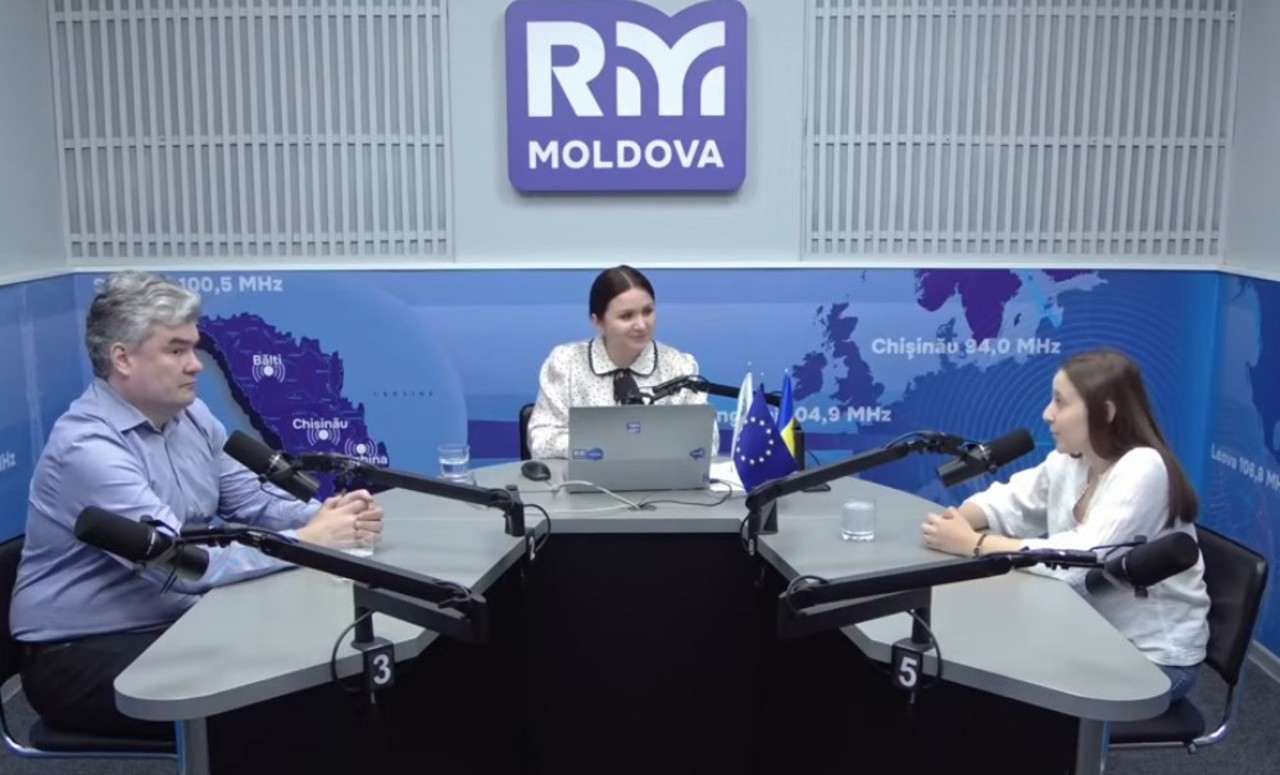
The opening of technical negotiations on the last three clusters represents an important step in the European integration process for the Republic of Moldova. This development is particularly significant given the existing political blockages at the EU level. To avoid halting the reform implementation process, "we are moving into a more technical cooperation area where the Republic of Moldova is undertaking the same reforms and fulfilling the same requirements as it would if official negotiations were launched," said Carolina Bogatiuc from the "European Initiative" Association during the show "We and Europe" on Radio Moldova.
"We are making these reforms for ourselves and for our citizens; this will help us raise the standard of living at home. When the time is right, we will be able to declare that we have done our homework and that we have the right to be EU members," Bogatiuc emphasized.
She highlighted the importance of harmonizing legislation with the community acquis, noting that effective implementation is essential.
"The most challenging chapters involve agriculture, which falls under cluster five. We also cover cluster four, which includes transport, statistics, and the Customs Union, and cluster three, related to competitiveness. For instance, Romania faced significant challenges in transposing agricultural regulations into its legislation. They underwent intensive monitoring, and the reforms were difficult. It's crucial to have public support and to clearly explain to citizens the positive changes and the reasons behind certain restrictions aimed at improving product quality. Therefore, we need a solid communication strategy with citizens to mitigate any skepticism," anticipated Carolina Bogatiuc.
The last three clusters target areas where citizens are likely to feel the benefits of closer ties to the EU, such as agriculture and infrastructure. Gheorghe Balan, former Deputy Prime Minister for Reintegration, noted during the same show that "funding will flow into these sectors, and we will witness the results in the near future. Opening technical negotiations encourages confidence that we are on the right path, acknowledges the progress made in other clusters, and provides support for potential future crises."
At the EU level, there is support for the Republic of Moldova's European path. The initiation of technical negotiations is a confirmation that the commitments made by the authorities in Chisinau have been met, stated Romanian MEP Siegfried Mureșan, President of the EU-Republic of Moldova Association Committee.
"The Republic of Moldova is one step closer to the EU. All 27 EU member states have expressed their readiness and desire to welcome the Republic of Moldova as a member state. The negotiations are progressing; this is encouraging news. The Republic of Moldova is getting closer to the EU," Mureșan said.
He added that starting discussions from a technical standpoint is advantageous, emphasizing that "technical progress is the most critical aspect," leading to eventual political decisions regarding Moldova's EU accession. There is a "political will in Brussels, in European capitals, and in Chișinău," he noted.
Regarding the Transnistrian conflict, the President of the EU-Republic of Moldova Association Commission stated that it "does not affect” the European path of the Republic of Moldova, affirming that the EU is prepared to assist Chișinău in resolving the dispute.
On March 17, the Republic of Moldova and the EU launched technical negotiations for the last three clusters of accession chapters: Competitiveness and Inclusive Growth, Green Agenda and Connectivity, and Resources, Agriculture and Cohesion.
Currently, negotiations cover all six clusters and all 33 chapters of the community acquis.