Diplomatic friction over contaminated water: Moscow dismisses Chisinau’s evidence as 'PR action'
The Russian Embassy in Chisinau has dismissed allegations regarding its involvement in the pollution of the Dniester River. The denial follows a formal protest by Moldovan authorities after an attack on the Novodnestrovsk hydroelectric plant in Ukraine.
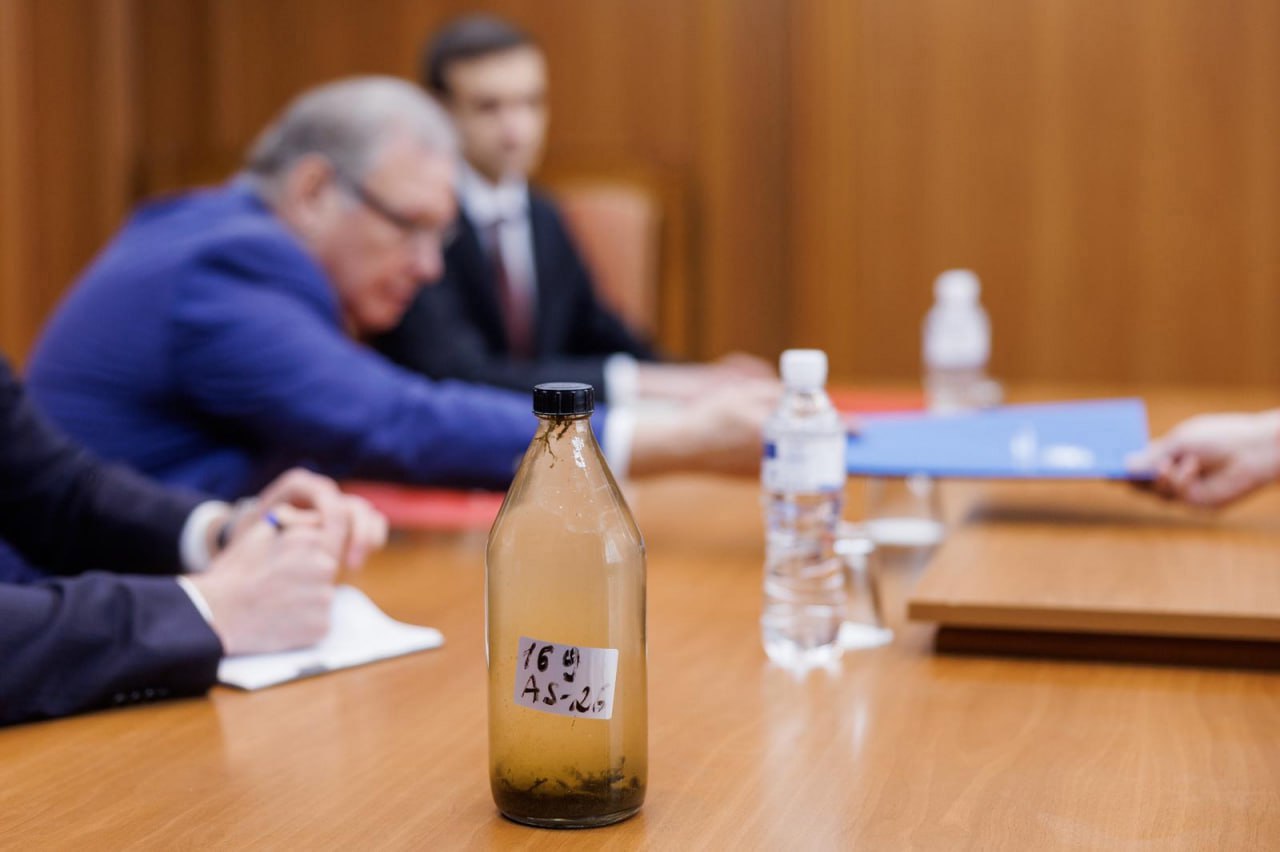
During a meeting at the Ministry of Foreign Affairs (MAE), Moldovan diplomats presented Russia’s Ambassador-designate, Oleg Ozerov, with a bottle of oil-contaminated water. The Russian mission described the gesture as a "PR action" lacking legal or evidentiary weight.
Moscow disputes evidence
In an official statement, the Embassy argued that an unlabeled container of "murky fluid" of unknown origin cannot constitute proof. Russian officials claimed the accusations are politically motivated and called for an "objective investigation" into the incident’s causes.
The diplomatic standoff intensified after the MAE summoned Ozerov on March 17. Chisinau issued a stern protest linking the recent Russian strikes on Ukraine’s infrastructure to the presence of petroleum products in Moldova’s primary water source.
Environmental state of emergency
President Maia Sandu stated that "Russia bears full responsibility" for the ecological risks. The Moldovan government declared an environmental state of emergency on March 16, shortly after the initial detection of pollutants in the Dniester.
Environment Minister Gheorghe Hajder warned that the scale of the spill could be significantly larger than first estimated. The pollution has disrupted water supplies to several northern localities, where residents currently rely on emergency tankers.
Translation by Iurie Tataru