Russia moves to give Putin power to use troops against foreign courts
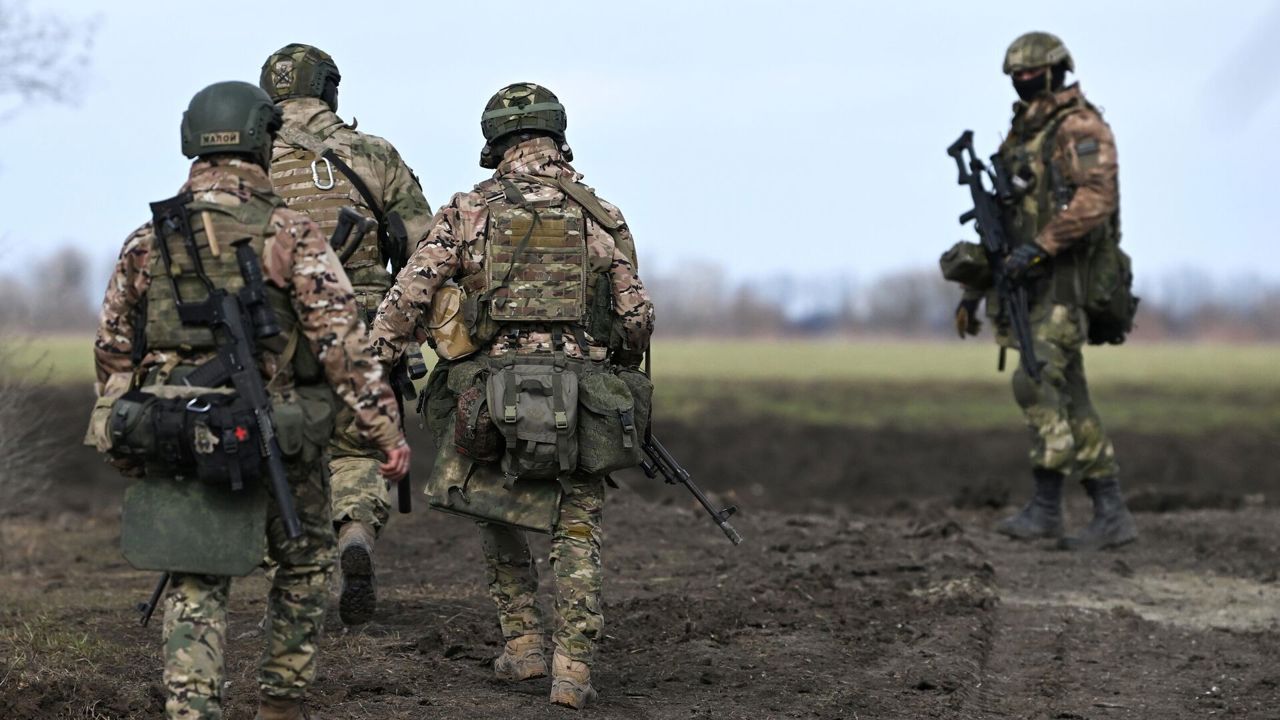
Russia's government has submitted a bill to the State Duma that would allow President Vladimir Putin to deploy armed forces outside the country's borders. The legislation targets cases where Russian citizens face arrest or prosecution by courts or international bodies whose jurisdiction Russia does not recognise.
The draft law, developed by the Defence Ministry and published on the State Duma's legislative database on 19 March, amends two federal statutes: the Law "On Defence" and the Law "On Citizenship of the Russian Federation." Under current legislation, Russian troops can already be deployed abroad to repel attacks on Russian military units, defend allied states upon request, protect citizens from armed assault, and counter piracy. The new bill adds a further trigger — the extraterritorial use of force to shield citizens from foreign judicial proceedings.
EU war crimes tribunal as direct trigger
Dmitry Malbin, a partner at Moscow-based law firm Verba Legal, said the bill was directly linked to European Union plans to establish a special tribunal to prosecute senior Russian officials for the crime of aggression against Ukraine, in comments cited by The Moscow Times. The Council of Europe announced the initiative in 2025, with 26 EU member states confirming their participation by autumn. In January 2026, the EU allocated an initial €10 million to fund the court, which is being modelled on the Nuremberg Trials and is expected to target at least 20 individuals.
NATO warning backdrop
The bill was submitted against a backdrop of escalating Western intelligence assessments about Russian military intentions. Germany's Federal Intelligence Service (BND) warned last year of possible Crimea-style provocations in the Baltic states. In a February report, Danish intelligence assessed that Russia could launch a major war in Europe within five years. NATO Secretary General Mark Rutte endorsed those assessments, and French Chief of Defence General Fabien Mandon urged preparedness for a possible confrontation with Russia within three to four years.
Analysts at the Institute for the Study of War (ISW) said Russia has already entered what they describe as "phase zero" of military preparations. Military districts are being restructured, new bases are under construction near the Finnish border, and destabilising incidents — including acts of sabotage and GPS jamming — have been reported across Europe.
Translation by Iurie Tataru