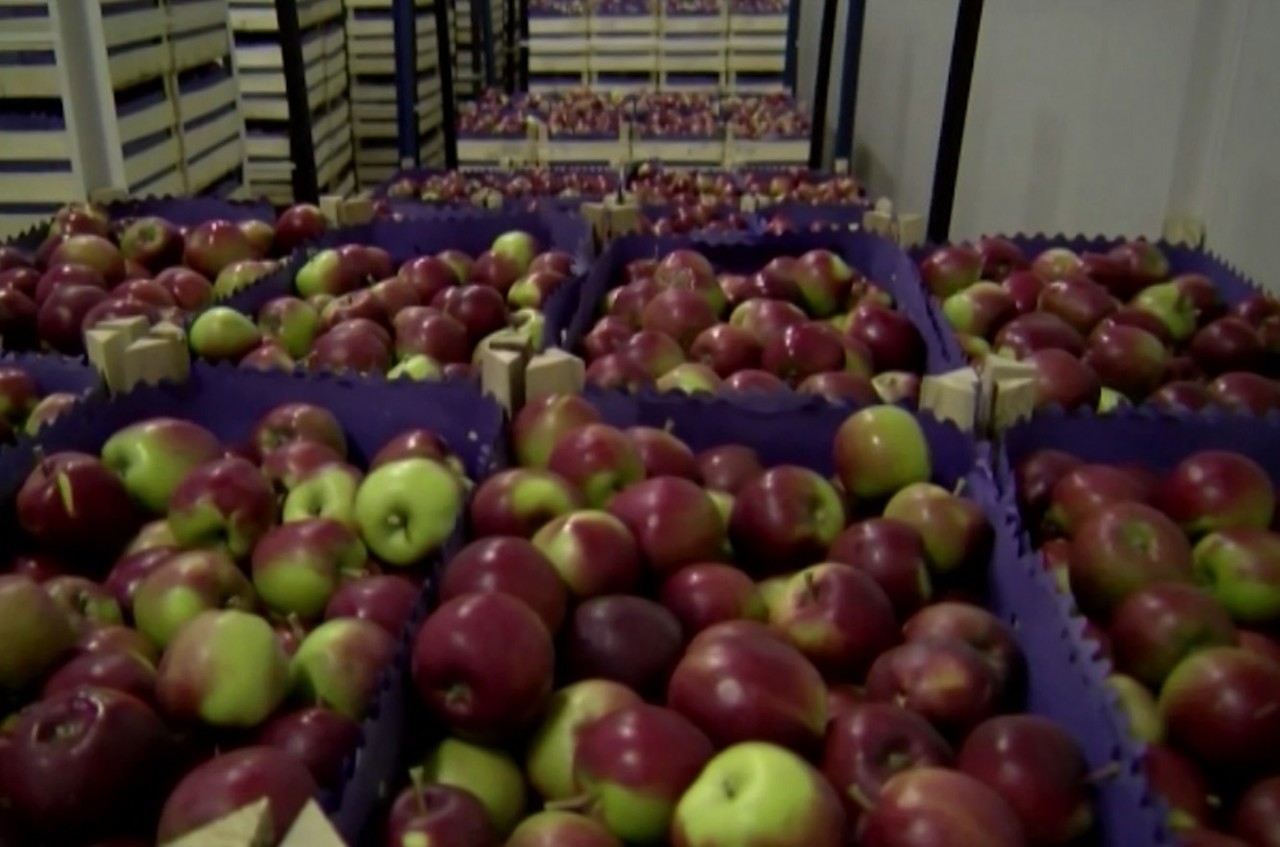
Middle East conflict hits local exporters: “Many containers return”
The Middle East conflict has severely disrupted logistics chains and blocked agricultural exports. Although regional markets, especially Saudi Arabia, only recently opened to Moldovan fruit, the escalation now directly hits local producers and exporters. Over the past eight years, Saudi Arabia has become the fourth largest market for Moldovan apples.
Pavel Vieru, export manager at a company that runs 100 hectares of apple, plum, and apricot orchards near Coșernița in Criuleni district, says regional tensions and logistics issues have disrupted shipments to the Middle East and Asia. The company has temporarily suspended exports to these markets.
“Problems are severe. Many containers now return, so we halted operations. Transport takes 50 to 60 days to Asia and about 40 days to closer regions, which makes fruit exports nearly impossible,” Vieru said.
Another farmer, Nicolae Pascal, also exports fruit to Middle Eastern markets. About 50% of his apples go there, around 40% to the European Union, and the rest to CIS countries or the domestic market.
“Fruit deliveries to the Middle East still move via land routes through Syria. Prices have not changed much, though logistics and transit issues may arise. Fuel costs affect us more than anything else,” Pascal said.
Moldovan producers continue to strengthen their presence in Middle Eastern markets, but the regional situation complicates deliveries.
“We actively develop this promising market for grapes and plums. Military conflicts around us greatly hinder export logistics. We cannot fully cross the Red Sea, so we must reroute through the Strait of Gibraltar to reach distant markets like India,” said Iurie Fală, executive director of Moldova Fruct.
Last year, over 50% of Moldova’s fruit exports went to the European Union, mainly to Romania. At the same time, apple exports to the Middle East, especially Saudi Arabia, increased.