Fruit prices rose but didn’t cover last year’s losses, farmers
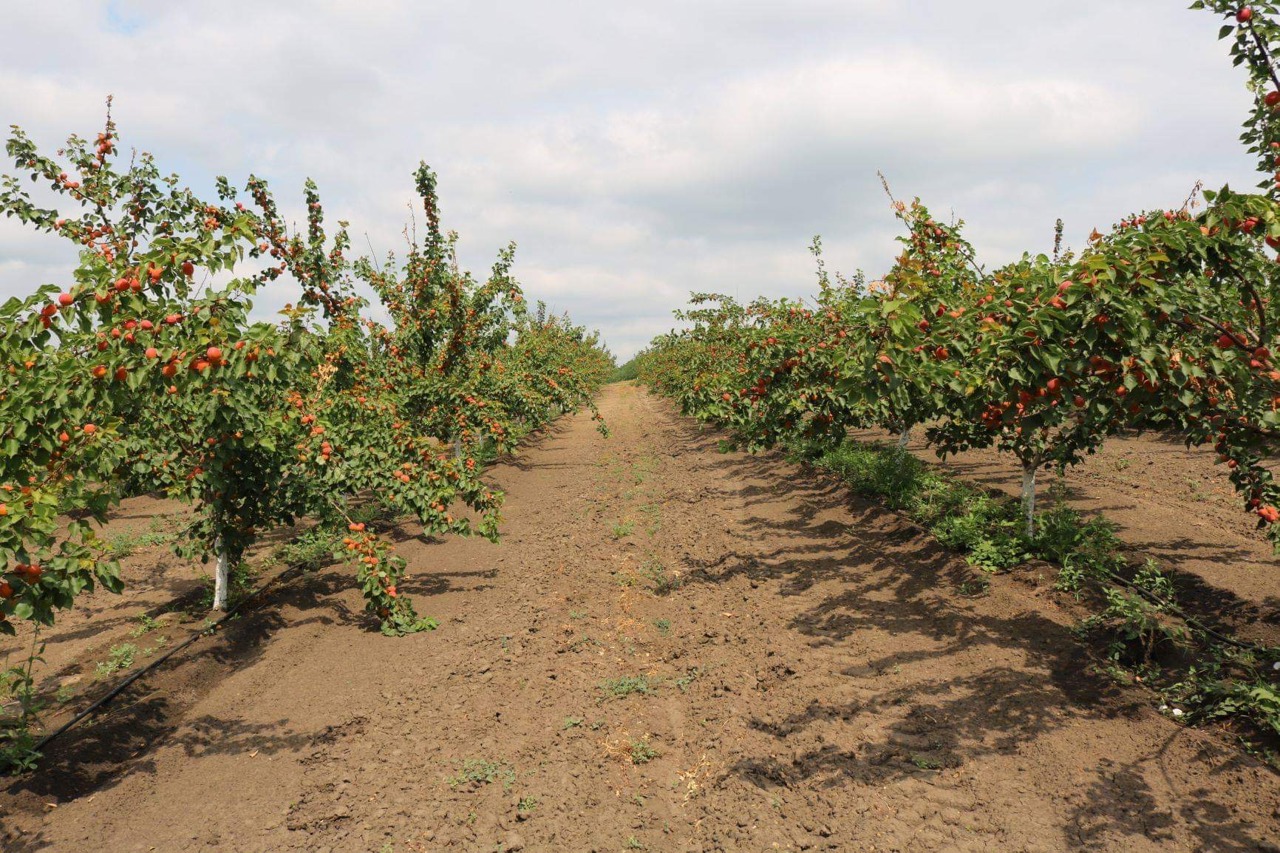
Climate conditions, labor shortages, and irrigation systems remain the main challenges facing farmers. The fruit sector was hit last year by several waves of late spring frosts, prolonged rains during the harvest period, phytosanitary pressures, high fertilizer costs, and strong external competition. Over 120 fruit producers and exporters, along with development partners and government representatives, met this week to discuss challenges and solutions in the sector.
Although fruit prices rose by 10–15% last year, the increase was not enough to offset the losses incurred, farmers say. At the same time, the fruit-growing sector remains highly vulnerable to climate change and is facing an acute labor shortage. Currently, only 20–25% of orchards are irrigated, which limits both productivity and competitiveness.
“Yes, 2025 was a challenging year because of the frosts. We were affected to some extent, but we still managed to harvest an average of 12 tons of cherries per hectare. It’s not the best possible result, but it was good that we managed to secure certain quantities,” says farmer Vera Ciobanu.
“I run a company that exports fruit from the Republic of Moldova, mainly grapes, plums, cherries and apricots. Last year was quite difficult, I would say, given the weather conditions in Moldova and, above all, the global oversupply, especially in Europe. This made it much harder for us to access markets and sell our products at good prices,” explains farmer Gheorghe Chișăliță.
This agricultural season will be marked by focused efforts to strengthen Moldovan producers' position on foreign markets and to adapt to increasingly strict consumer requirements, especially in the European Union, says Iurie Fală, Executive Director of the Moldova Fruct Association. According to him, one of the main priorities is to develop cooperation among producers to integrate more effectively into international marketing chains. Another key focus will be ensuring access to essential resources such as irrigation water, affordable financing and qualified labor.
At the same time, the development of nurseries and the modernization of orchards are considered vital, particularly by ensuring access to high-quality planting material produced locally. “The Moldova Fruct Association accounts for 67% of all fruit produced and exported from the Republic of Moldova. We have all the necessary prerequisites, because Moldovan fruit is recognized on international markets, above all in the European Union, which is a highly regulated market and whose conditions we must meet,” notes Iurie Fală.
The 2025 agricultural year was “average to good”, despite the difficulties caused by late spring frosts that significantly affected the horticultural sector, says Vasile Șarban, State Secretary at the Ministry of Agriculture and Food Industry. As for the outlook for 2026, the official is optimistic, but stresses that everything depends on weather conditions. However, risks remain, especially those linked to late frosts, which can occur until the first ten days of May.
“We believe it will be a productive year, one that will bring us good volumes and high fruit quality. We just have to see how markets will be oriented, given the context of the ongoing military conflicts – one right on our border and another in the Middle East – which are hampering export logistics to Middle Eastern countries and to India, markets that have only recently opened and which have very high potential,” says Vasile Șarban.
In April 2025, the Republic of Moldova faced the most severe frosts of the last three decades, which affected around half of the area planted with sugar beet, particularly in the districts of Dondușeni, Drochia, Râșcani, Fălești, Florești and Ocnița, as well as numerous orchards. The Commission for Emergencies later approved the allocation of a 100 million lei fund to compensate for the damage.