Russia uses 'Moldova playbook' in Hungary election, report says
As Hungary prepares for parliamentary elections on 12 April, Prime Minister Viktor Orbán faces his most significant electoral challenge in 16 years. Analysts warn that the Kremlin is deploying a "hybrid warfare playbook" previously tested during Moldova’s 2025 elections to bolster the Fidesz party’s bid for a fifth consecutive term.
Digital disinformation campaign
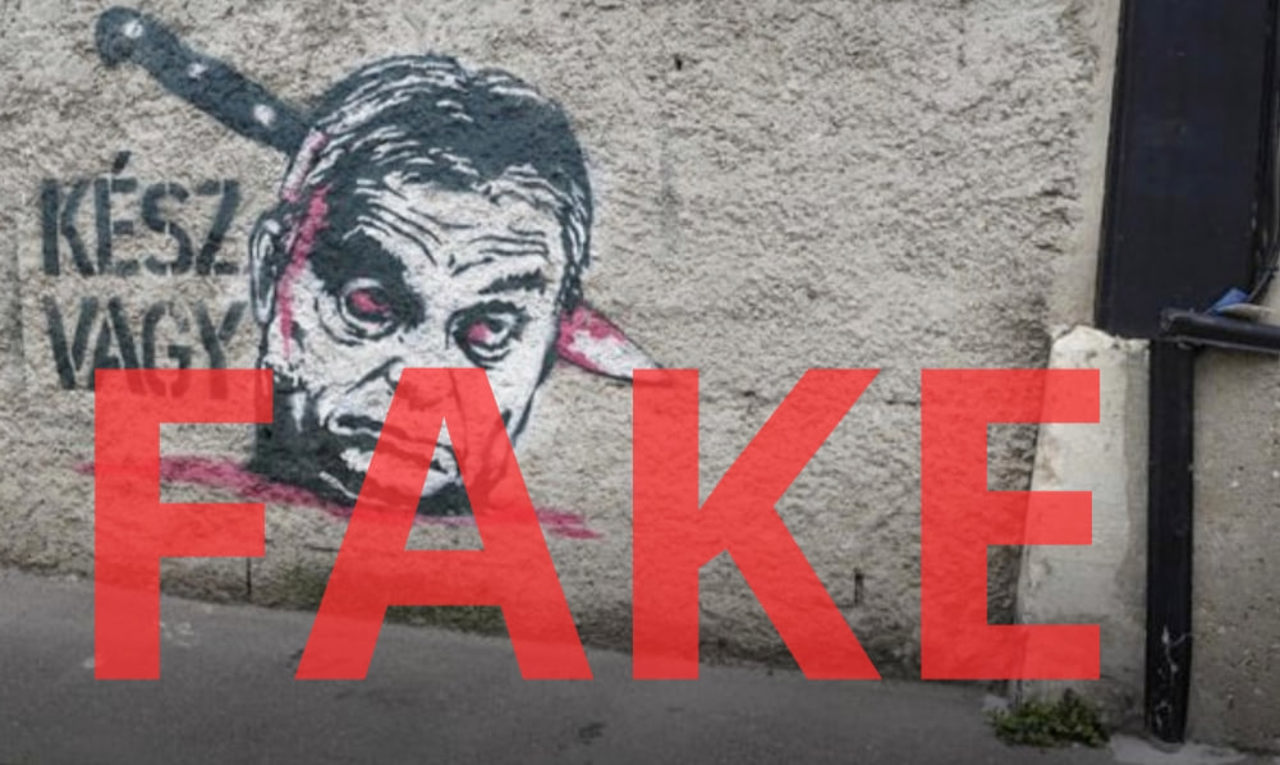
The pro-Kremlin "Matryoshka" network, notorious for its interference in Chisinau, has shifted its focus to Budapest. According to the "Bot blocker" monitoring group, coordinated bot networks on X (formerly Twitter) are circulating sophisticated deepfakes. These videos falsely allege assassination plots against Orbán and depict staged "uprisings" involving Ukrainian refugees.
One video, which garnered 100,000 views, used a forged Deutsche Welle logo to claim an explosion occurred near the Prime Minister’s office. Another fabricated clip used the branding of Moldova’s national broadcaster, Teleradio-Moldova, to incite anti-Ukrainian sentiment among Hungarian voters.
The SVR plot
A report by the Washington Post, citing European intelligence, suggests Russia’s Foreign Intelligence Service (SVR) proposed a fundamental shift in the campaign narrative. The strategy allegedly moves focus from socio-economic issues to emotional themes of national security and "simulated" threats.
The Kremlin dismissed the report as disinformation. Government spokesperson Zoltán Kovács did not respond to requests for comment regarding the alleged Russian interference.
The 'Curator' of influence
Investigations by VSquare link the Hungarian operation to Sergei Kiriyenko, the deputy chief of Putin’s administration. Kiriyenko, previously the "curator" for Moldova, reportedly oversees the integration of Russian intelligence assets within diplomatic missions.
European security sources claim three GRU officers are currently operating under diplomatic cover in Budapest. Their mission is to coordinate social media manipulation with Fidesz campaign organisers.
A polarized electorate
The opposition, led by Péter Magyar and his Tisza party, has narrowed the gap in recent polls. Magyar, a former government insider, claims Orbán is inviting foreign agents to subvert the democratic process. "They are doing exactly what they did in Moldova," Magyar stated during a recent rally.
In response, Orbán has framed the election as a choice between sovereignty and "becoming a Ukrainian colony." He continues to use his veto power within the EU and NATO to block aid to Kyiv, a position the Kremlin views as highly valuable.
Translation by Iurie Tataru