Moldova seeks state of emergency after Russian strikes hit power line
The Moldovan government has proposed a 60-day state of emergency in the energy sector following Russian drone strikes on Ukrainian infrastructure. The attacks caused the disconnection of the Isaccea-Vulcanesti power line, a critical high-voltage link for Moldova’s electricity supply.
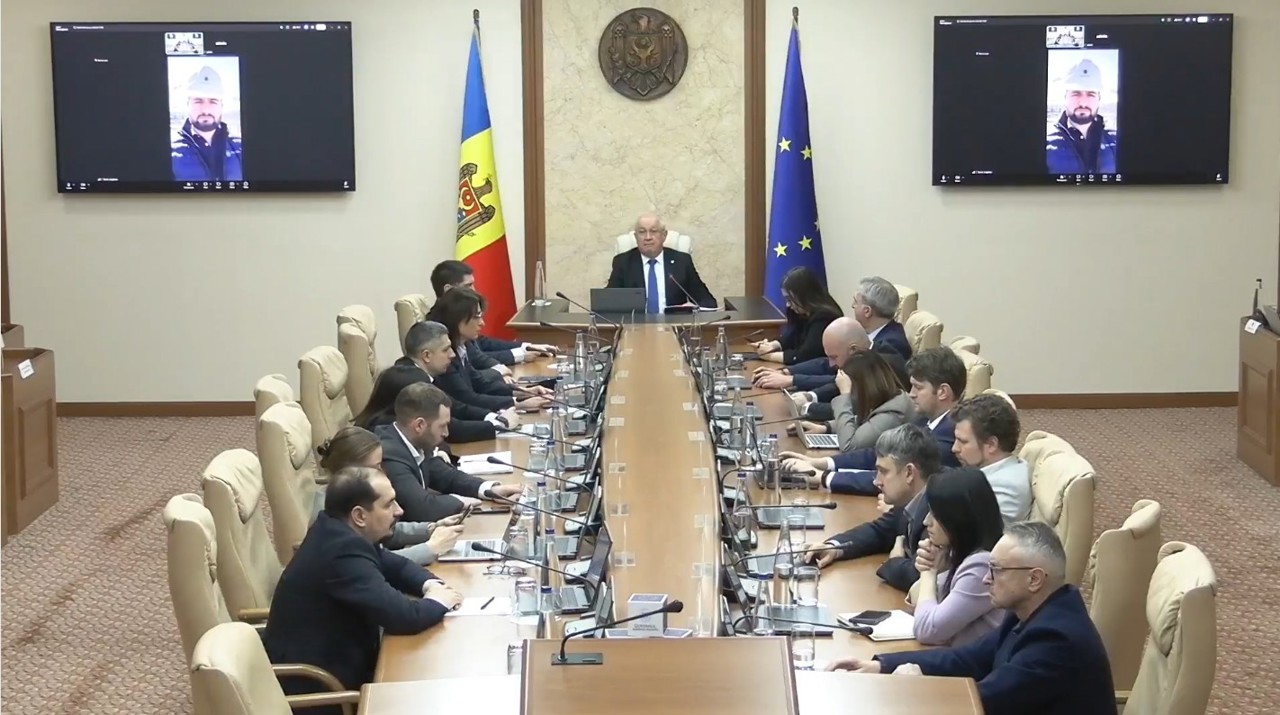
Prime Minister Alexandru Munteanu convened an extraordinary cabinet meeting on Tuesday at 13:00 local time. He is expected to request parliamentary approval later today to grant the executive expanded powers to manage the crisis.
"Russia's attacks on civilian energy infrastructure in Ukraine are a war crime and an assault on us here in Moldova," Munteanu stated. He clarified that the strikes overnight led to the direct failure of the country's primary supply route.
Infrastructure under pressure
State grid operator Moldelectrica reported that the 400 kV line remains offline, requiring specialized technical intervention and regional coordination with Ukraine and Romania. Currently, Moldova is maintaining stability through four 110 kV alternative lines connected to the Romanian grid.
The Ministry of Energy assured the public that internal production from renewable and thermal sources is filling the gap. However, officials have urged citizens and businesses to reduce consumption during peak hours to prevent grid overloads.
A history of energy instability
The proposed measure follows a pattern of heightened energy insecurity in the region. Moldova previously exited a three-year state of emergency in late 2023, only to reintroduce it briefly in late 2024 due to transit risks in Transnistria.
Earlier this month, on March 4, the government declared a national "state of alert" citing rising fuel costs from Middle East tensions. The upgrade to a "state of emergency" will now allow the government to bypass standard procurement procedures and mobilize resources immediately to protect critical infrastructure.
"This is not a measure of panic, but of responsibility," Munteanu added. "It allows us to act faster, mobilize resources, and protect every citizen's access to basic needs."
Translation by Iurie Tataru