Over 10 tons of moldy dried fruits were returned to the producer at the border
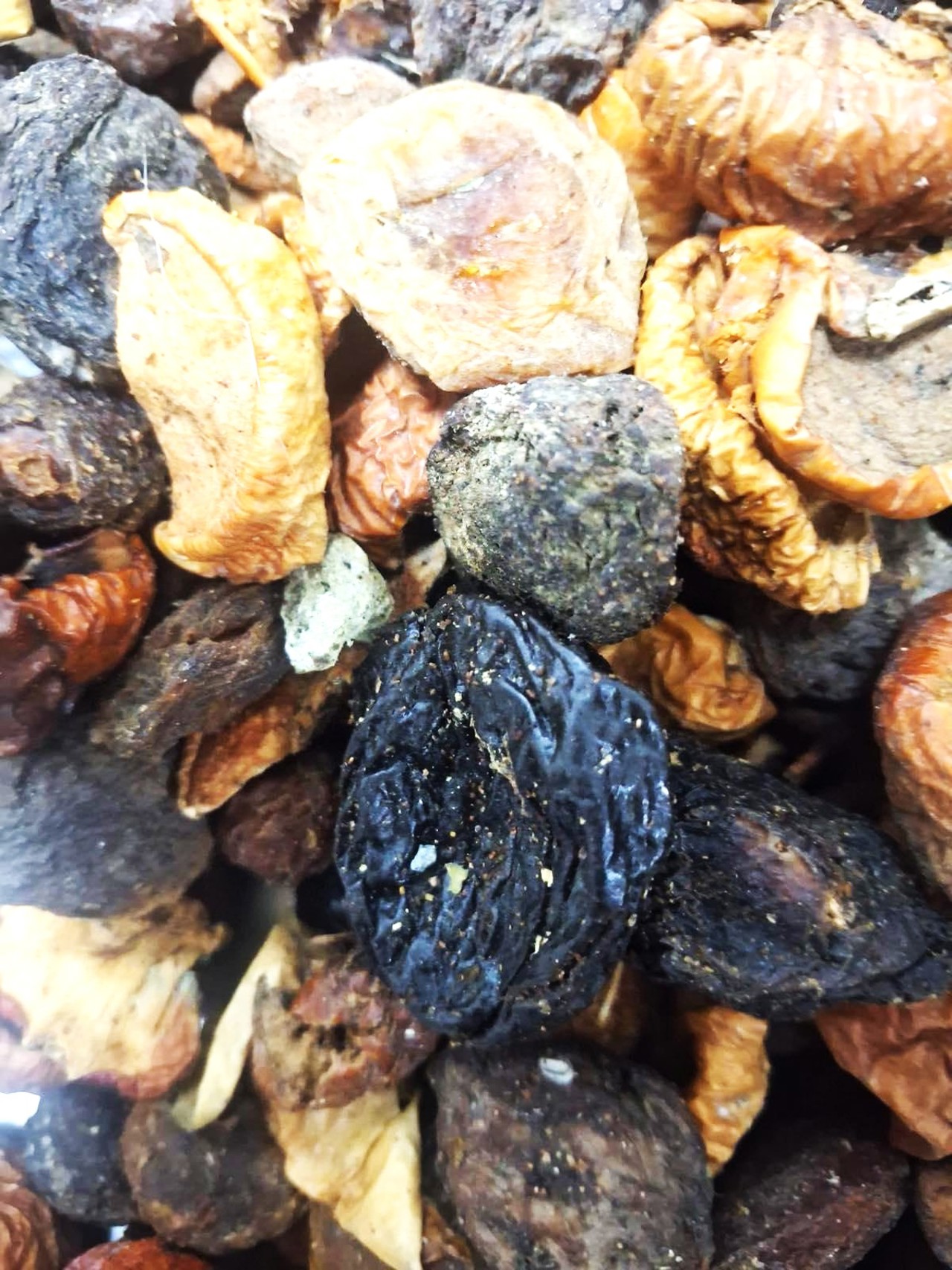
More than 10 tons of imported dried fruits were rejected at the border of the Republic of Moldova after inspectors from the National Food Safety Agency (ANSA) discovered serious irregularities during physical inspections at border crossing points.
This notice pertains to a batch of dried fruit, specifically a mixture of apples, apricots, plums, and cherries, totaling 10,500 kilograms. Unfortunately, this batch did not meet food safety standards.
According to ANSA, the products exhibited "visible signs of mold," rendering them unfit for human consumption.
Representatives from ANSA stress that these deficiencies directly violate the Government Decision on dried fruits and vegetables.
The legislation states that "dried fruits and vegetables intended for trade for human consumption must meet minimum quality requirements. They should be free from defects that would make them unfit for consumption, clean, free from visible mineral impurities or organoleptically perceptible defects, free from metallic impurities, free from rot or alterations that render them unfit for consumption, without visible signs of insect, mite, or other parasite infestations, without signs of fermentation, and free from mold."
As a result of these findings, the non-compliant batch was returned to the producer, and its sale in the Republic of Moldova has been prohibited.
ANSA assures that "not a single kilogram of non-compliant dried fruits reached consumers."