Public and commercial building lighting cut by 30% amid state of emergency
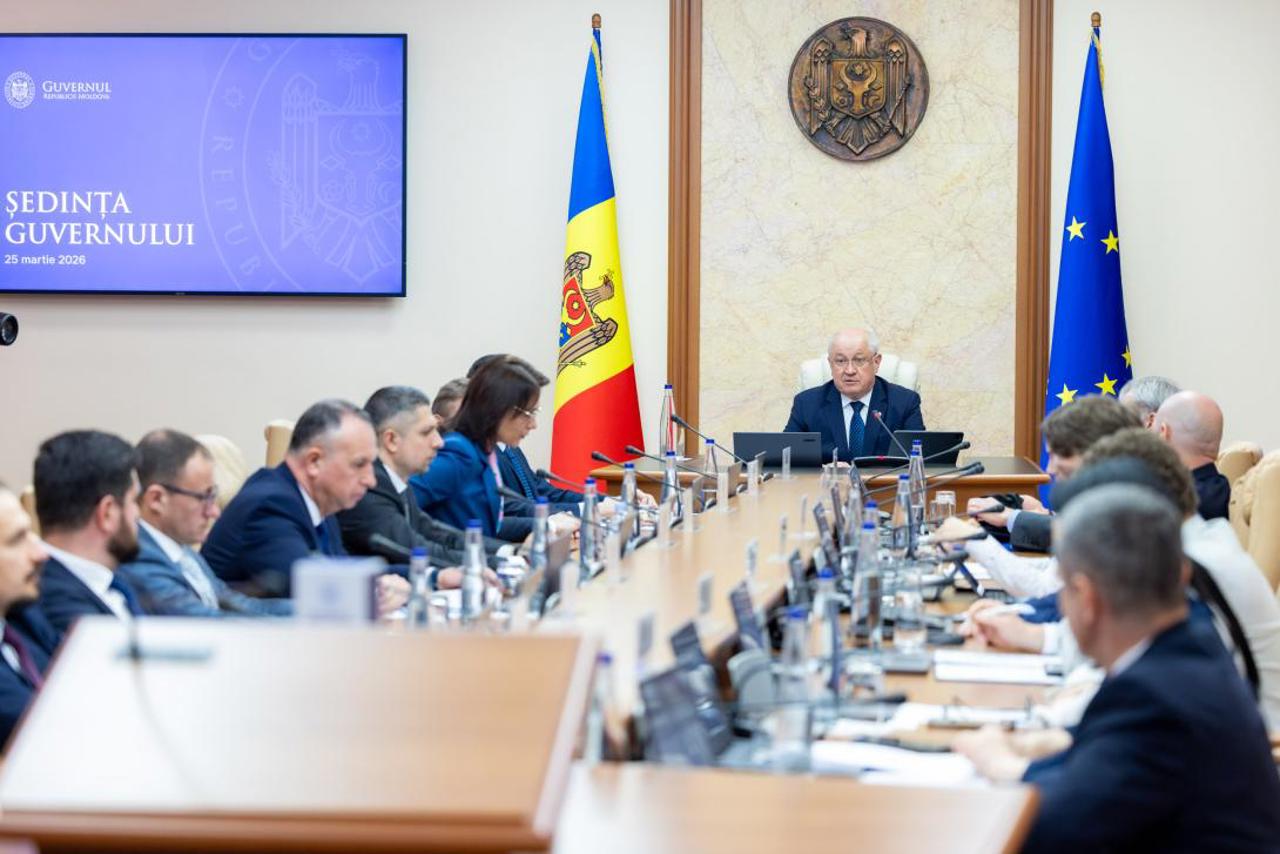
Healthcare institutions, critical infrastructure, and vulnerable consumers will be prioritized when it comes to electricity supply. The operator, Moldelectrica, will make direct purchases and cease exports during peak hours to ensure that available resources are directed toward domestic consumption. Additionally, economic agents whose production processes require significant amounts of electricity will need to adjust their working hours to times outside the peak consumption periods. These decisions were approved by the government in response to an energy-sector emergency, which will last for 60 days, beginning on March 25.
The Head of the National Crisis Management Center, Serghei Diaconu, stated at an executive meeting that, due to circumstances beyond the control of the Republic of Moldova, "the situation remains critical" because of Russian military attacks on infrastructure in southern Ukraine. The Isaccea–Vulcănești power line remains unavailable, leading to "an imminent risk of electricity deficit, estimated at 350–400 MW during peak hours."
Serghei Diaconu also emphasized the international context marked by tensions in the Gulf region, which necessitate "strict precautionary measures" in the petroleum products sector to prevent disruptions to domestic supply.
He urged the administrators of public and commercial buildings to reduce interior lighting by at least 30%, disconnect shop windows and advertising lights, and limit escalator use during peak hours. Additionally, he called on economic agents involved in production processes that consume significant amounts of electricity, such as electric furnaces, electric arc welding machines, and melting installations, to reorganize their work schedules outside of peak consumption intervals.
The authorities are also working to secure fuel stocks. The Customs Service will continue to closely monitor exports from the Giurgiulesti International Free Port and will permit the delivery of petroleum products only if safety thresholds are exceeded.
At the retail level, the limit for releasing a maximum of 20 liters remains in effect to prevent stock depletion, including the surplus above what can completely fill a vehicle’s tank, as stated by Serghei Diaconu.
Other actions being taken by authorities include facilitating the rapid installation of storage and generation systems by exempting them from certain construction permits, such as urban planning certificates or building permits.
"This will expedite the installation of energy generation facilities for permit holders, with the aim of quickly increasing the capacity to produce alternative energy," explained Serghei Diaconu.
Simultaneously, district heating plants will be allowed to generate more electricity, with assurances that all necessary costs, including those incurred during technological processes, will be covered without sanctions during the state of emergency.
"These measures are essential to prevent uncontrolled disconnections of consumers. The respective Government Decision is a crucial step to maintain state functionality and protect the lives and health of citizens by averting a major energy crisis," concluded the director of the National Crisis Management Center.
Prime Minister Alexandru Munteanu reiterated that the goal is to minimize risks and prevent electricity disconnections.
"The teams are working diligently; we are doing everything possible to return to normal. The state of emergency is set for 60 days, but I genuinely hope we will not need the full duration and can resolve this issue much sooner. As I explained in Parliament, this decision is not merely formal; it is pragmatic and necessary, as the state of emergency demands swift action, rapid interventions, strict coordination, and timely decisions," declared the head of the Cabinet of Ministers.
Parliament approved, at the request of the Government, a state of emergency in the energy sector for 60 days, starting on March 25, due to the risks generated by Russia's attacks on energy infrastructure in Ukraine, which led to the decommissioning of the Isaccea–Vulcănești line, one of the main energy supply sources for the country. The decision was approved by a vote of 72 deputies from the PAS majority, "Democrația Acasă," "Partidul Nostru" factions, and the "Alternativa" Bloc.
Authorities estimate that the issues affecting the Isaccea–Vulcănești line can be resolved within five to seven days, provided no new attacks occur and that repair work can continue, according to the Minister of Energy, Dorin Junghietu.
It is noteworthy that the line was decommissioned following the bombing of the Ukrainian energy system on the evening of March 23. The immediate consequences included a near-total interruption of imports from Romania and the necessity to reconfigure the system in emergency mode, increasing the risk of a significant deficit during peak hours. After the incident, four 110 kV lines across the Prut were activated, as were imports through Ukraine via the line from the Dnestrovsk hydroelectric power plant. However, these solutions are limited.