Putin presses oligarchs for defense funds as budget deficit soars
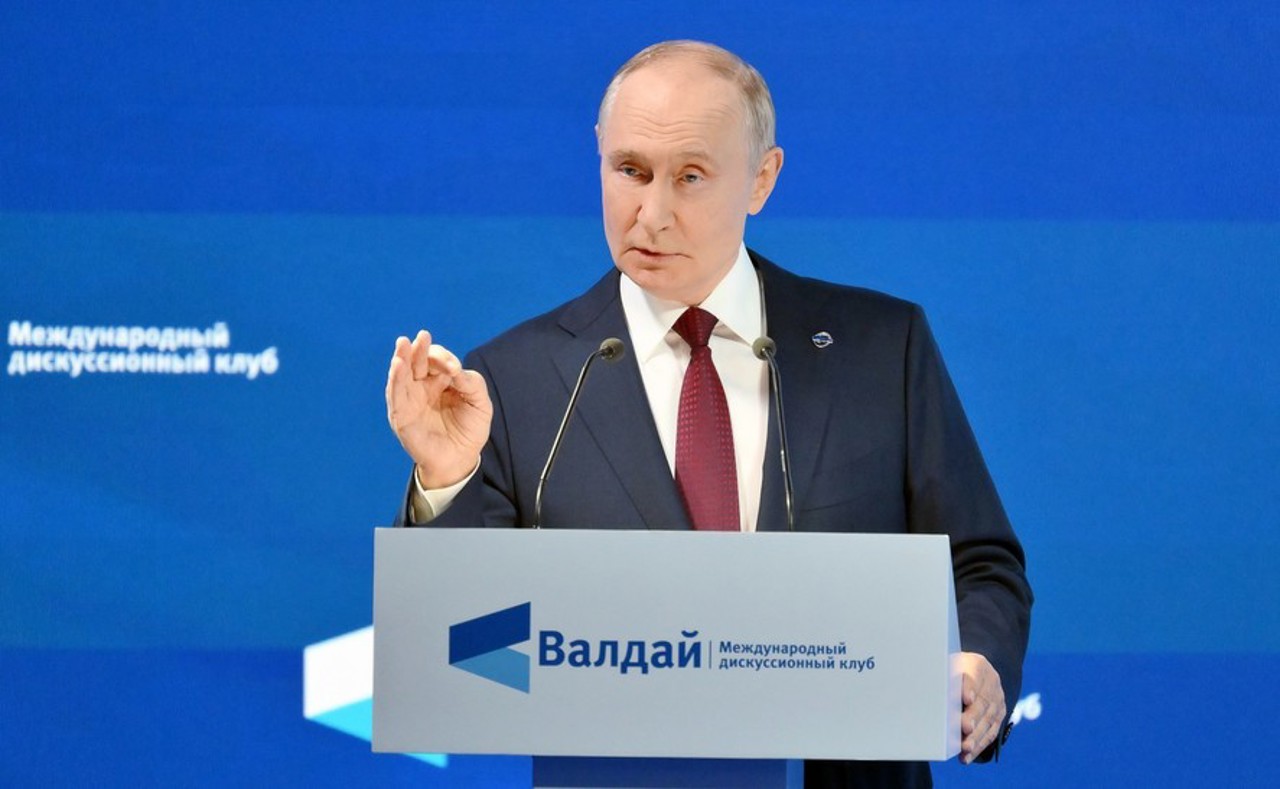
President Vladimir Putin has urged Russian oligarchs to contribute to the country’s straining defense budget to sustain the ongoing invasion of Ukraine, according to reports cited by The Guardian.
The Russian leader is expected to prolong the conflict, which began in February 2022, until Moscow secures the remaining areas of the eastern Donbas region. Financial Times reports that at least two businessmen expressed readiness to contribute following discussions on Thursday.
Fiscal strain and new taxes
The Kremlin’s defense spending surged by 42% last year, reaching 13.1 trillion rubles (approx. £121 billion). In response, Russian authorities are attempting to stabilize the economy through aggressive taxation.
Economy Minister Maxim Reshetnikov stated on March 26 that Moscow is considering a new windfall tax if the ruble continues to weaken. This follows a 2023 measure that raised 320 billion rubles through a one-time 10% levy on large corporations. Additionally, VAT for small and medium-sized enterprises was increased to 22% in January.
Russia’s budget deficit for January and February has already exceeded 90% of the projected level for the entire year. US-led sanctions have played a critical role, forcing Moscow to sell its oil at significant discounts.
A 'conservative' approach
Speaking to business leaders in Moscow, Putin warned against reckless spending of additional revenues generated by volatile oil prices. He urged a "moderately conservative approach" for both corporate sectors and public finances.
"When our traditional export prices rise, there may be a temptation to take advantage of the situation," Putin said, cautioning that these funds should not be wasted on dividends or excessive state spending.
Peace talks and US pressure
In a recent interview with Reuters, Ukrainian President Volodymyr Zelenskyy noted that security guarantees from the United States appear linked to Kiev's willingness to cede the Donbas region.
Zelenskyy expressed concern over the strategy of the US side, particularly the influence of Donald Trump. "I would very much like the American side to understand that the eastern part of our country is part of our security guarantees," he stated.
Meanwhile, Kremlin spokesperson Dmitry Peskov maintained that Russia remains open to peace negotiations once conditions allow, though key territorial issues remain unresolved.
Translation by Iurie Tataru