US senators propose sanctions on Hungary over Russia energy ties
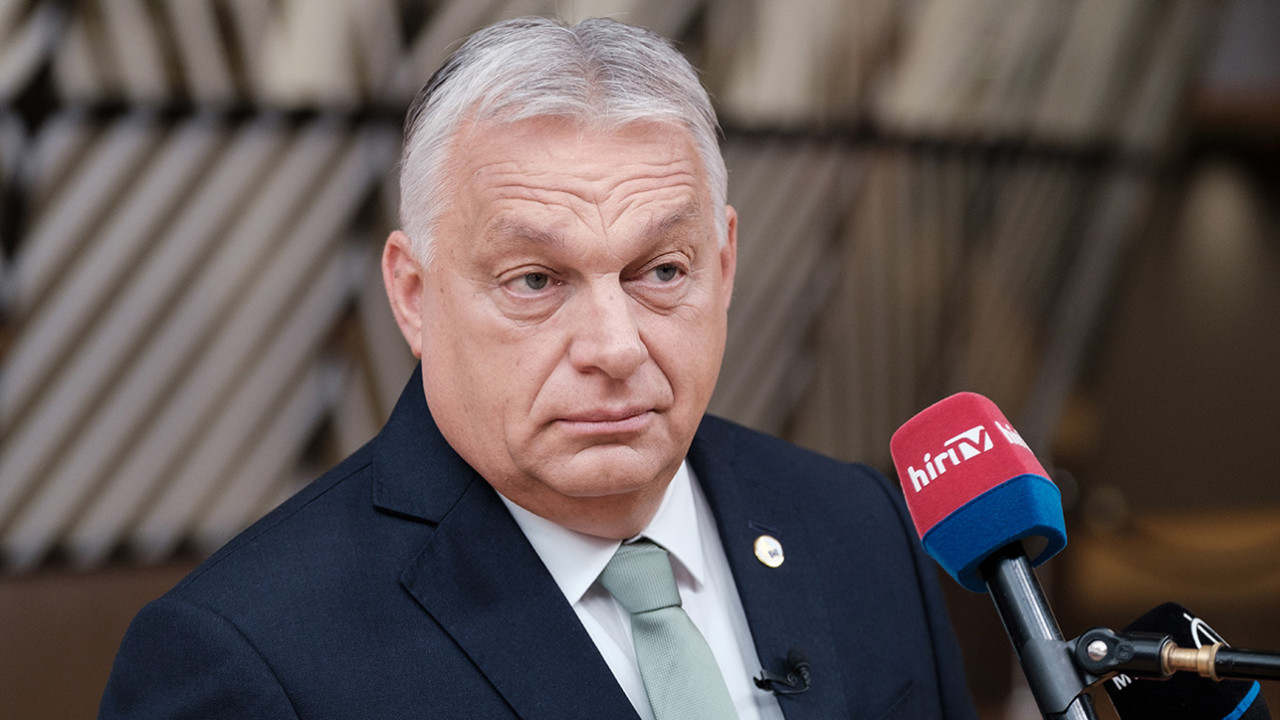
U.S. senators are moving to introduce a bipartisan sanctions bill targeting high-ranking Hungarian officials. The legislation focuses on those responsible for maintaining Russian energy imports and stalling European financial assistance to Ukraine.
Titled the "Putin Blocking Act," the bill proposes asset freezes and visa bans, according to documents reviewed by the Financial Times.
Strategic pressure on Budapest
The move intensifies pressure on Prime Minister Viktor Orbán. The Hungarian leader is currently stalling a €90 billion EU loan to Ukraine and maintains a critical stance toward Kyiv.
"The United States and our allies must continue to act together to support Ukraine and cut off the revenue streams fueling Putin’s war," said Republican Senator Thom Tillis, a co-author of the bill. He noted that the legislation offers Budapest a "clear path" to align with its allies by abandoning Russian energy dependencies.
Senator Jeanne Shaheen, who co-leads the Senate NATO Observer Group, criticised the timing of Vice President J.D. Vance’s planned visit to Hungary. She described the Hungarian government as "corrupt" and accused it of financing the Russian war machine.
Electoral uncertainty
While the bill does not name Orbán directly, it tasks the administration with identifying officials involved in delaying aid or maintaining energy ties with Moscow.
The diplomatic friction comes as Orbán faces a significant domestic challenge. Ahead of the general elections scheduled for April 12, polls suggest his 16-year rule may be at risk. A Median survey showed the opposition "Tisa" party, led by Péter Magyar, leading Orbán’s "Fidesz" by 23 percentage points.
However, government-aligned institutes show Fidesz maintaining a slight lead. According to Politico’s poll average from February 28, Tisa stands at 48% against Fidesz’s 39%.
Energy and rhetoric
Orbán has made anti-Ukraine rhetoric central to his campaign, repeatedly accusing Kyiv of blocking Russian oil transit via the Druzhba pipeline. However, critics note he has avoided blaming Russia for the January 27 bombing of the same pipeline.
Further straining relations, Hungarian Foreign Minister Péter Szijjártó has reportedly shared details of confidential EU negotiations with Russian Foreign Minister Sergey Lavrov. The two have met over 20 times since the invasion of Ukraine began.
Translation by Iurie Tataru