Middle East conflict costs Russian tour operators €70m in losses
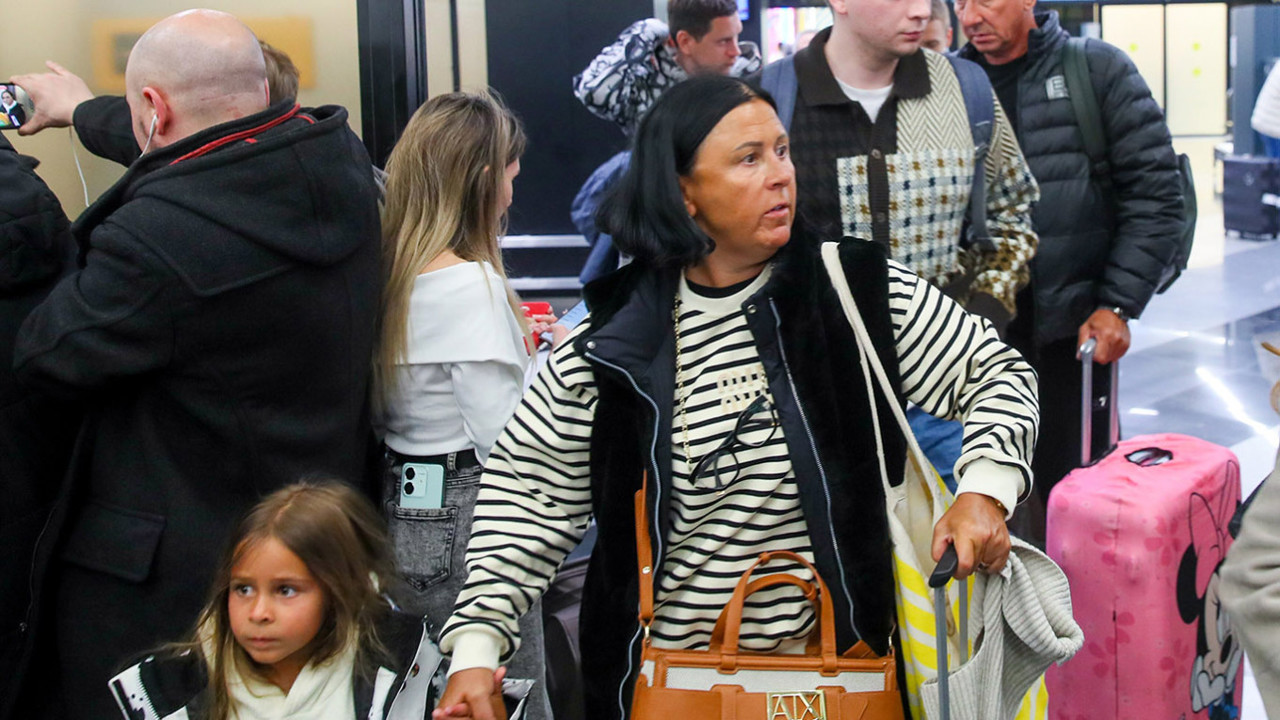
The escalating conflict involving Israel, the United States, and Iran has inflicted significant financial damage on Russia’s tourism sector. Since the start of hostilities, Russian tour operators have incurred losses totaling approximately 7 billion rubles (€70.5 million), according to Dmitry Gorin, Vice President of the Russian Union of Travel Industry (RST).
Industry leaders report that major firms suspended sales and promotions to the United Arab Emirates, Kuwait, Bahrain, Oman, Qatar, and Saudi Arabia starting March 3. Beyond lost revenue, companies are covering emergency costs for stranded tourists, ticket refunds, and cancellation compensations.
Market volatility and logistics
The crisis has severely disrupted major transit hubs. Popular connections through Abu Dhabi, Dubai, and Doha—frequently used by Russians traveling to Thailand, the Maldives, and India—are seeing significant cancellations. Data from the Association of Tour Operators (ATOR) indicates that Russian travelers have lost nearly one-third of their traditional connecting flights to Asia.
In response to the mounting pressure, Russian authorities authorized operators on March 12 to tap into "personal responsibility funds" to facilitate refunds. To date, 17 major companies have utilized these reserves, which hold approximately 2 billion rubles (€20.1 million), to settle claims.
Rising costs for alternative routes
Travel costs are surging as airlines reroute flights to avoid conflict zones. Airfare on certain routes has increased by as much as 82%, according to data from Freightos. This logistical shift has directly impacted package prices.
Since February, the minimum cost for a two-person tour to Egypt has risen from 95,000 rubles to 112,000 rubles (€1,130). Similar price hikes are affecting other destinations, with vacations in Thailand and Vietnam increasing by 15% and 12%, respectively. Consequently, international tour bookings for the remainder of 2026 fell by 16% in mid-March compared to the previous year.
Translation by Iurie Tataru