Water safety in Moldova: experts’ verdict
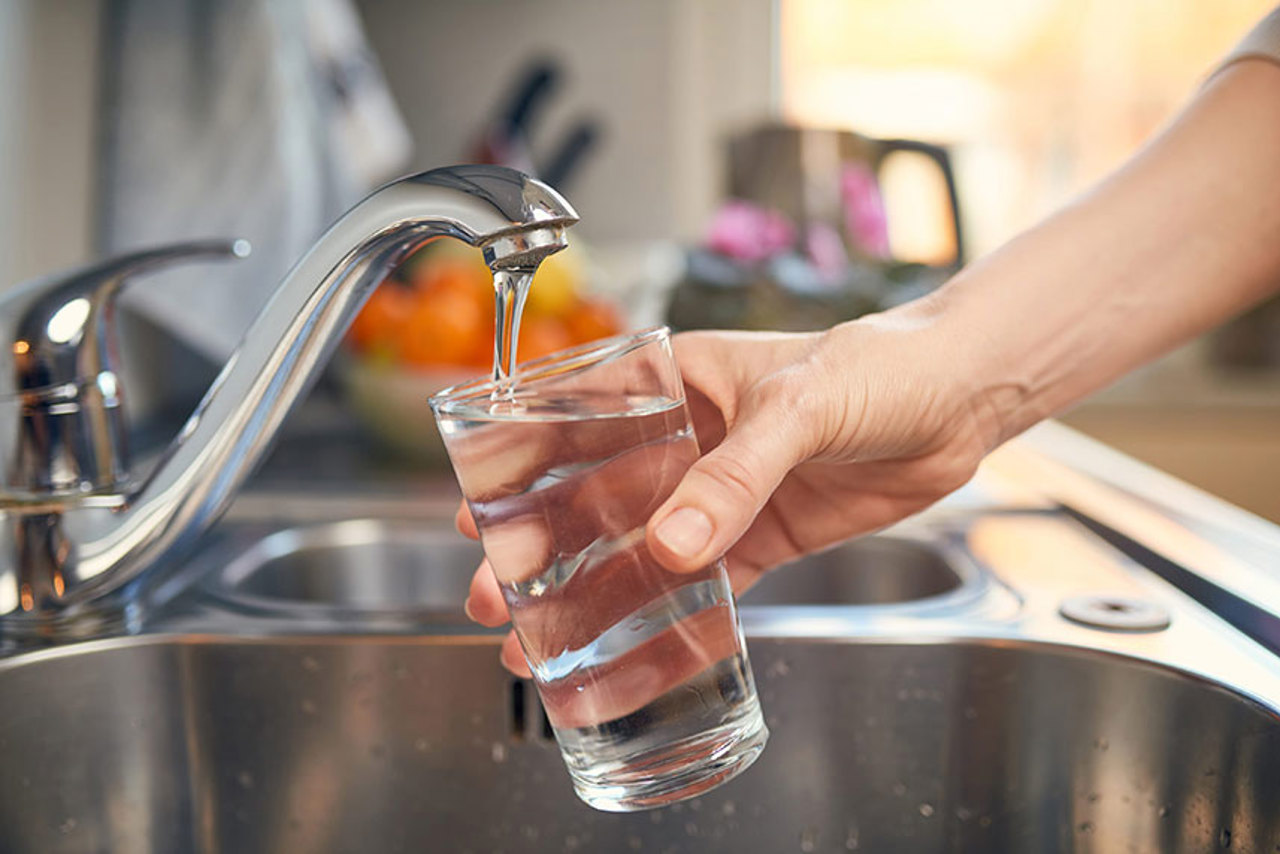
Currently, about two-thirds of the population in the Republic of Moldova has access to safe drinking water. However, a significant portion of the population, particularly in rural areas, still relies on non-centralised sources, which are susceptible to pollution and poor management. Meanwhile, authorities are making progress in aligning with European standards and are preparing to expand access to safe water by 2030. This was stated by Ion Șalaru, the head of the National Agency for Public Health (ANSP), in an interview with Radio Moldova.
“Two-thirds, or 65%, of the population of the Republic of Moldova has access to safe drinking water. Currently, about 30% of the rural population and around 3% of the urban population still rely on individual or public water sources that are not connected to a centralized system,” Ion Șalaru mentioned during the “Zi de Zi” show.
He pointed out that the main risks to water safety stem from outdated infrastructure, limited capacity for intervention, and a shortage of qualified personnel, particularly in rural areas. Management deficiencies and limited financial resources also affect water quality monitoring and the availability of necessary treatment chemicals.
“In the case of water supply from underground sources, risks include maintaining the distribution system, the failure to promptly address accidents, accidental pollution in the network, and the insufficient capacity to manage these systems. There is also a shortage of qualified operators,” the expert explained.
Conversely, the quality of treated water from surface sources meets chemical safety parameters, with approximately half of the population receiving water from such sources. The systems that rely on the Prut and the Nistru rivers are crucial to the country’s water supply.
Regarding alignment with European standards, the Republic of Moldova has almost fully transposed the Directive on the quality of water intended for human consumption, with ongoing adjustments related to infrastructure management.
“The Republic of Moldova has practically fully transposed this directive. By 2030, we will have adequate laboratory capacities to manage these challenges,” stated Ion Șalaru.
The authorities are also proposing to develop integrated water safety and sanitation plans in collaboration with international partners. Pilot projects will be implemented in the areas of Cărpineni and Pelinia, where existing systems will be evaluated and local operators trained.
The expert emphasized the importance of citizens acting responsibly regarding water usage, cautioning against waste caused by unnecessary behaviors, such as panic-driven over-storing.
“We must be responsible for our water resources, avoid wasting them, and prevent unnecessary losses. We should not panic in response to inappropriate messages,” Șalaru stressed.
Additionally, the authorities are preparing an information campaign to address the risks associated with climate change and to adapt water supply systems, with a focus on preventing and managing risks to water resources.
Author: Natalia Mogîldea