Vulcănești–Isaccea line testing underway; authorities announce end of state of emergency
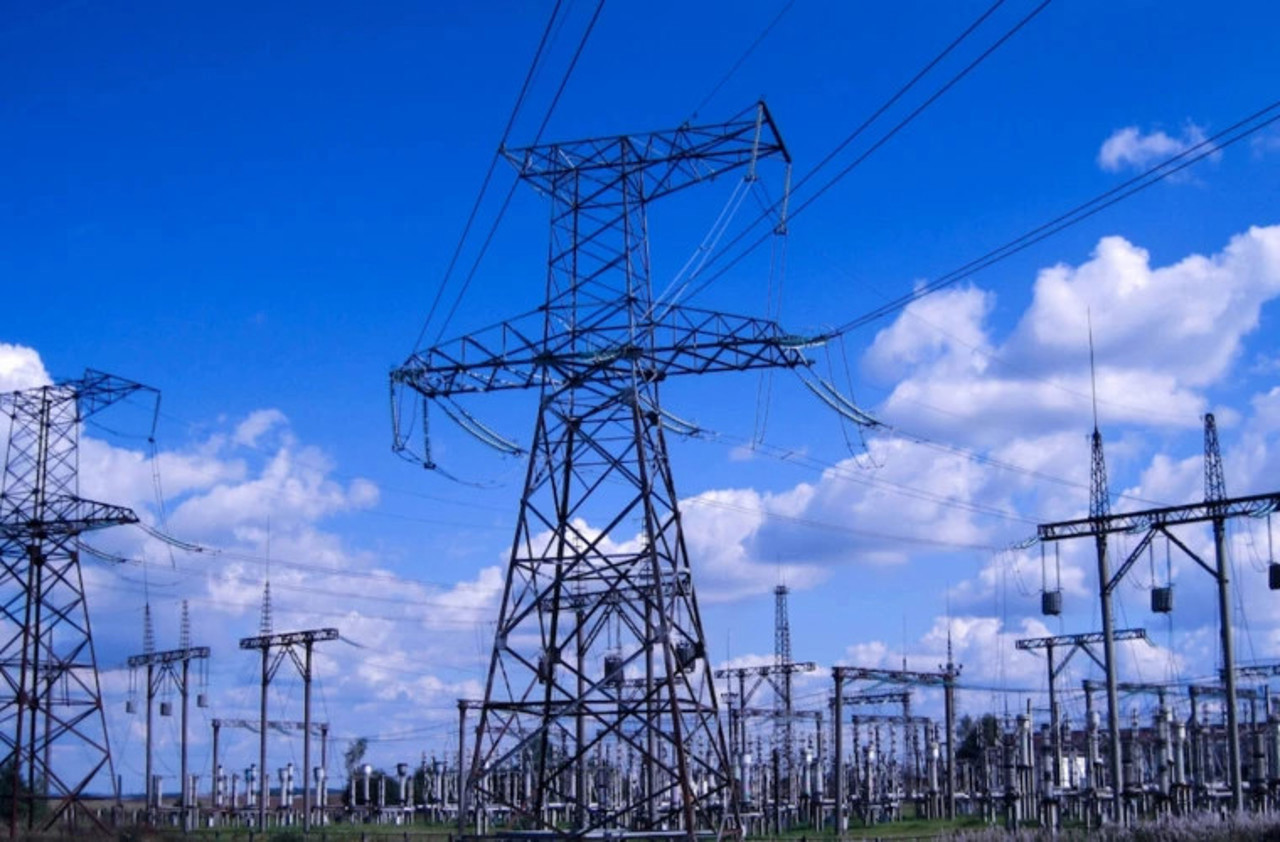
The state of emergency in the energy sector, established on March 25 for 60 days, will be lifted "within a reasonable time" once all safety conditions are confirmed. Currently, technical tests are being conducted following the re-commissioning of the Vulcănești–Isaccea line, which was damaged by Russian bombing of the Ukrainian energy system on the evening of March 23.
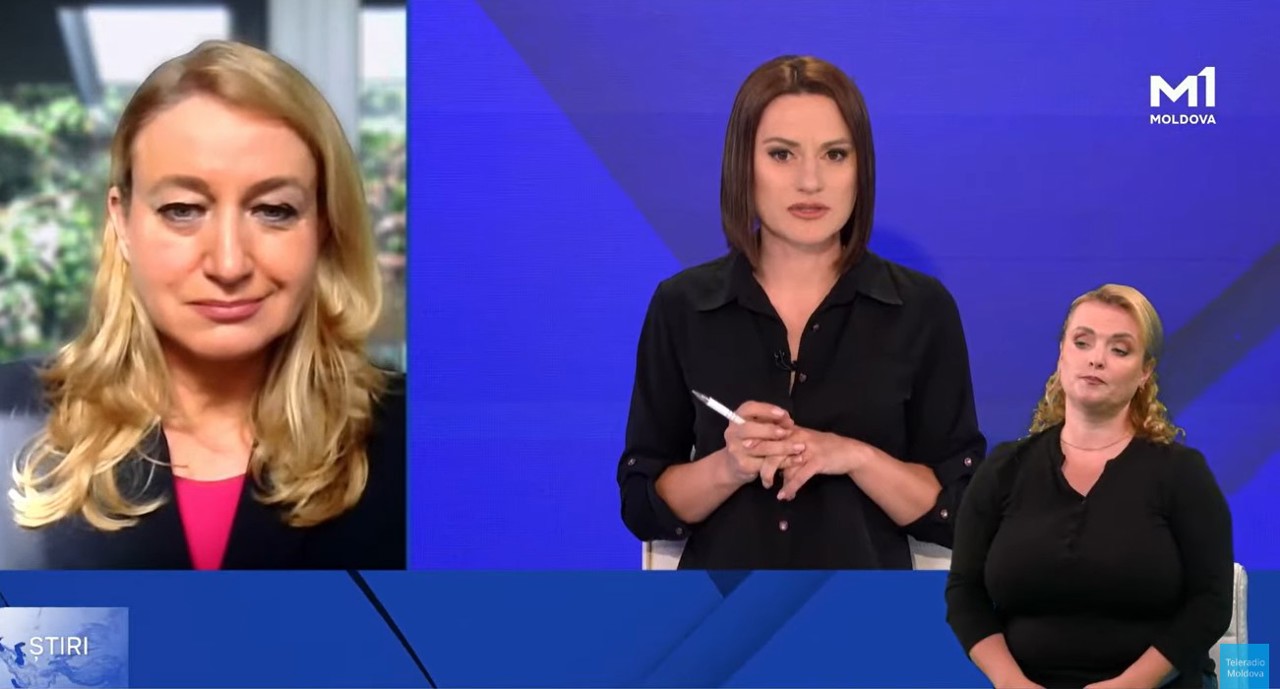
“The government has successfully reconnected the Vulcănești–Isaccea line in a short period. Currently, technical tests necessary for the complete stabilization of the system are underway, a process that requires time and precision,” said Daniela Crudu, the spokesperson for the Executive, on Monday, March 30, when asked to comment on the general mayor of Chisinau's request to lift the state of emergency “immediately.”
The spokesperson clarified that the state of emergency will be lifted “within a reasonable time” and emphasized that the Executive's priority remains energy security and the protection of citizens.
“There is no intention to extend this state unless the situation truly requires it. As announced in Parliament, the Government will present a complete report on the actions taken during the state of emergency,” Daniela Crudu added.
During a municipal services operational meeting on March 30, Mayor General Ion Ceban described the state of emergency and the “panic created by some government officials” regarding the disconnection of electricity as “unacceptable.”
“The capital of the country, home to a million people, is not the Parliament hall, where a few lights are turned off just for appearances. We are talking about people's safety,” the mayor asserted.
Ion Ceban insisted on the immediate removal of the state of emergency and called for a public report on the Government's actions during this time. He also accused the authorities of profiting significantly from the crisis in the fuel market and urged for immediate measures to reduce prices.
It is important to note that the Vulcănești–Isaccea line became unavailable on March 23 due to Russian bombings, resulting in pipeline ruptures and disrupting energy deliveries. Consequently, imports from Romania were essentially halted. In response, authorities quickly activated four 110 kV lines across the Prut River and secured imports from Ukraine via the line from the Dnestrovsk hydroelectric power plant. However, the energy deficit remained high, and the threat of disconnections loomed.
At the Government's request, Parliament voted on the evening of March 24 to declare a 60-day state of emergency in the energy sector, effective March 25. This declaration enabled authorities to intervene swiftly. The executive allowed Moldelectrica to make direct purchases to address the energy deficit and halted exports during peak hours to prioritize domestic consumption. It also established rational consumption measures to prevent disconnections.
Prime Minister Alexandru Munteanu stated that authorities are making every effort to return to “normal” as quickly as possible. He hinted that the state of emergency could be lifted sooner than the full 60 days, depending on the stabilization of the energy sector and the mitigation of disconnection risks.
The issues on the 400 kV Isaccea–Vulcănești overhead power line were resolved by March 28, restoring its operational capacity and enhancing the security of the Republic of Moldova's electricity supply.
Regarding the fuel market, which has witnessed rapid price increases due to tensions in the Middle East, President Maia Sandu remarked after the National Security Council meeting on March 23 that the situation is “very concerning,” with potentially significant consequences for the Republic of Moldova's economy if stability is not attained in the coming weeks. The Government is implementing all necessary measures, including support for farmers and transporters.
According to Alexei Taran, the director of the Energy Regulatory Agency, the trend on the fuel market is shifting, and the situation is becoming much more stable. After over a month of price hikes, diesel fuel is experiencing its first slight price decrease. As of March 31, diesel will be sold at a maximum price of 31 lei and 93 bani, down by 17 bani. In contrast, gasoline prices continue to rise, with a liter to be sold at stations for 29 lei and 66 bani, which is 13 bani more than the previous day.