Energy state of emergency may be lifted; measures ensured continued electricity supply
The Republic of Moldova may return to a state of alert in the energy sector, while the current state of emergency could be lifted. This announcement was made by Serghei Diaconu, the head of the National Crisis Management Center (CNMC), during the March 30 edition of the "La 360 de grade" show on Radio Moldova.
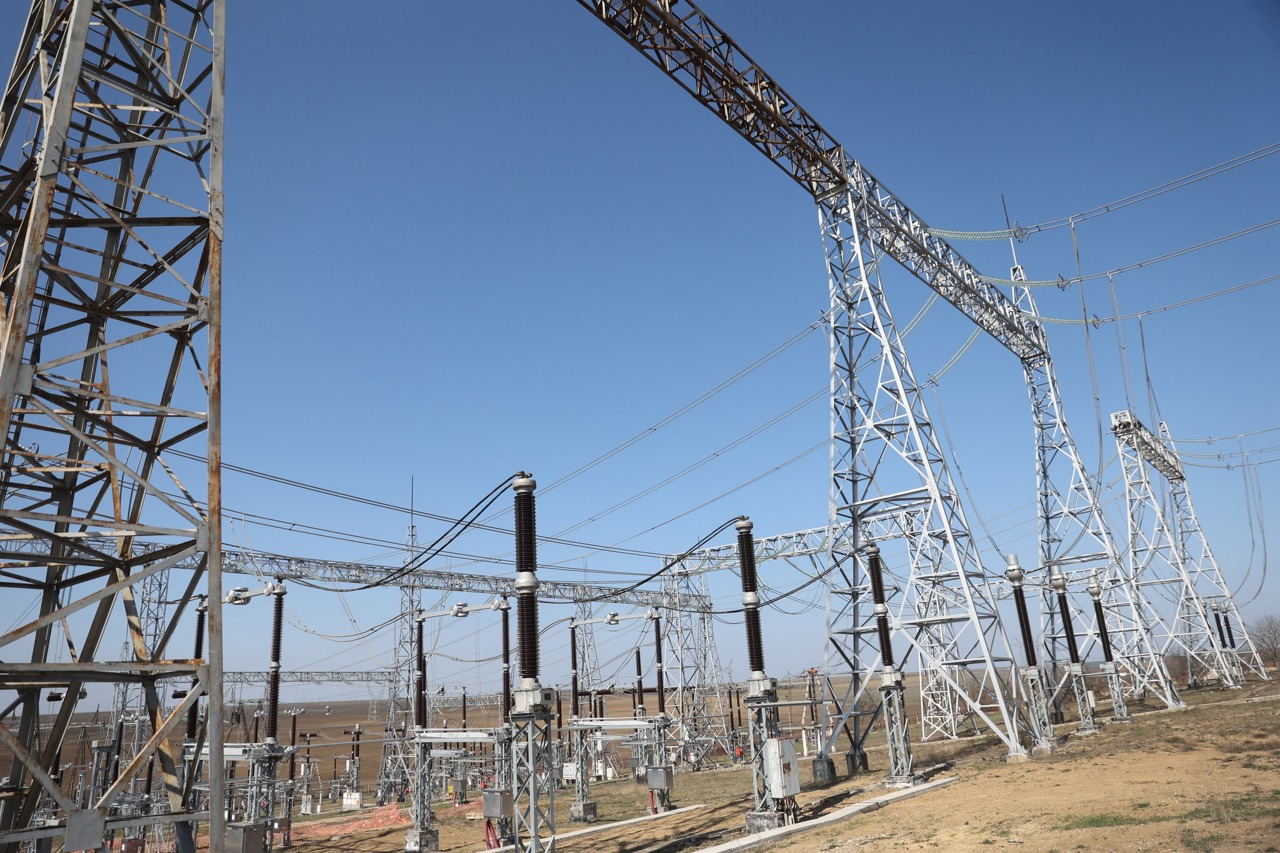
According to Serghei Diaconu, the head of the CNMC, the Republic of Moldova has effectively handled the critical energy situation that arose after damage to the Isaccea-Vulcănești power line.
The energy system is currently under close monitoring, and the upcoming days are crucial for identifying any remaining deficiencies and balancing the flows in the energy market. Diaconu emphasized that, despite improvements, the international energy context remains challenging. The ongoing oil crisis remains unresolved, and the situation in the region, including Romania, continues to warrant caution.
Diaconu pointed out that without a detailed report from the Ministry of Energy—including all the involved entities—it is unclear when the state of emergency alert will be lifted.
He stated, “This is likely a first for the Republic of Moldova, where, following a state of emergency, there was a quick response. The efforts were coordinated, with both the Ukrainian side and our side taking measures to ensure that the world continues to receive power while also restoring functionality to the line. We aim to propose lifting the state of emergency ahead of its expiration in the near future.”
Currently, legislation stipulates a fixed duration of 60 days for the state of emergency, but discussions are underway to introduce greater flexibility. This would allow Parliament to choose durations ranging from 30 to 90 days based on risks and indicators, enabling quicker adjustments in actual emergencies.
Diaconu added, “We have understood the message from parliamentarians and society: there is no desire to impose a state of emergency. There has never been an intention to use a state of emergency to address issues outside of those that are genuinely emergent. We will propose an amendment to the law to introduce flexibility, allowing Parliament to decide on the duration based on risk assessments.”
On March 24, at the Government's request, Parliament voted to declare a 60-day state of emergency in the energy sector, effective March 25, due to damage to the Isaccea-Vulcănești high-voltage line. This measure allowed authorities to respond promptly.
The government authorized the energy company Moldelectrica to engage in direct purchases to address the energy deficit, suspended exports during peak hours to prioritize domestic consumption, and implemented rational consumption measures to prevent disconnections.
The issues with the Isaccea-Vulcănești overhead power line were resolved by March 28, and its reconnection restored interconnection capacity while enhancing the security of Moldova’s electricity supply.