Poultry farms to receive state subsidies to meet EU standards, MAIA promises support.
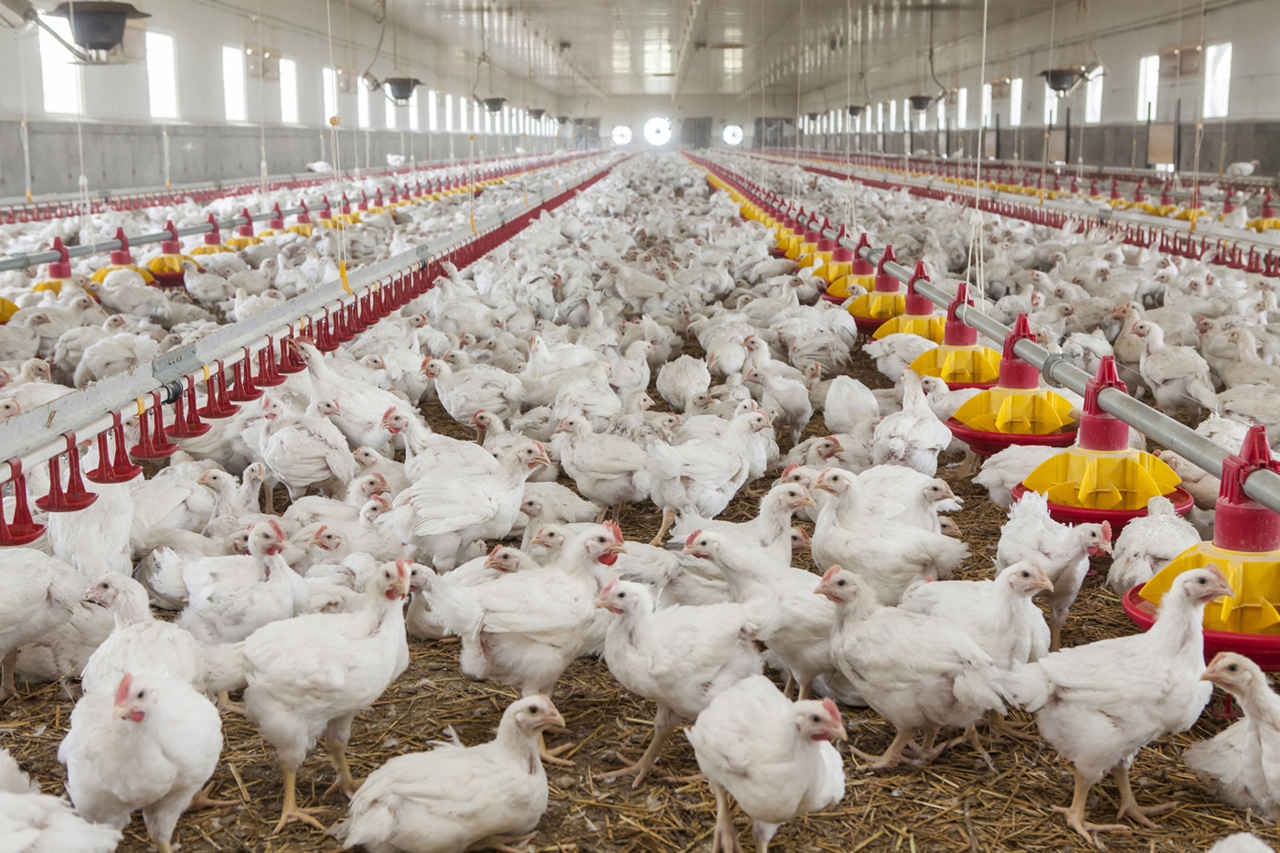
The poultry sector in the Republic of Moldova is experiencing ongoing development, bolstered by public investments and external programs. Export prospects are becoming more favourable. A significant boost comes from the opening of the European market: starting in February 2026, poultry meat from across the Republic of Moldova will be eligible for export to the European Union, providing producers with new opportunities for expansion.
The field of agriculture is strategically important for ensuring the food security of the Republic of Moldova, according to Tatiana Nistorică, State Secretary at the Ministry of Agriculture and Food Industry (MAIA). In 2025, the government supported the modernization of farms, the purchase of chickens, and the implementation of insurance mechanisms to reduce farmers' risks. These measures will continue into 2026.
"This sector has been continuously developing in recent years. We are adjusting the technologies implemented to align with the new requirements stemming from the transposition of European Community legislation into national law," said Tatiana Nistorică during the ["Zi de Zi" show on Radio Moldova.
However, producers face significant pressure to implement community legislation, a process that requires substantial investments in technology.
"The biggest challenges for both the poultry sector and the livestock sector, in general, are related to the transposition of European Community legislation, which imposes new requirements on producers. These requirements incur costs that producers must bear. Here, the support of the Ministry of Agriculture and Food Industry is crucial for helping implement these mandatory new requirements," explained Tatiana Nistorică.
In addition to compliance costs, health risks in the region, such as avian influenza, pose a serious threat to Moldovan farms. In this context, biosecurity is no longer optional but essential for survival.
"Support to enhance biosecurity on farms is indispensable and vital for us as a country," said Nistorică, highlighting the significance of grants provided through the AGGRI project, financed by the World Bank, aimed at reducing these vulnerabilities.
The state is making efforts to cover some of these risks through subsidies focused on modernizing infrastructure. "The poultry sector is subsidized and will continue to be supported for the construction and reconstruction of farms, the equipping of facilities, and the creation of new farms. The emphasis is mainly on enhancing farm biosecurity and improving animal welfare, particularly through the provision of better cages for housing birds."
Despite these challenges, the European market is opening up to producers who have made the necessary investments. The first shipments to the EU have already been completed, creating a successful model for the rest of the industry.
"We hope to continue increasing exports," said the MAIA representative, noting that the sector's future depends on transforming these challenges into long-term competitive advantages.
To maintain this momentum, the authorities assure that financial support will remain consistent. "The ministry's policy will continue to include support for the poultry sector in the coming years," Tatiana Nistorică confirmed, adding that new mechanisms, including direct payments, are being developed to strengthen farmers' resilience.