RECORD | Moldova exceeds the threshold of 1 GW of renewable energy
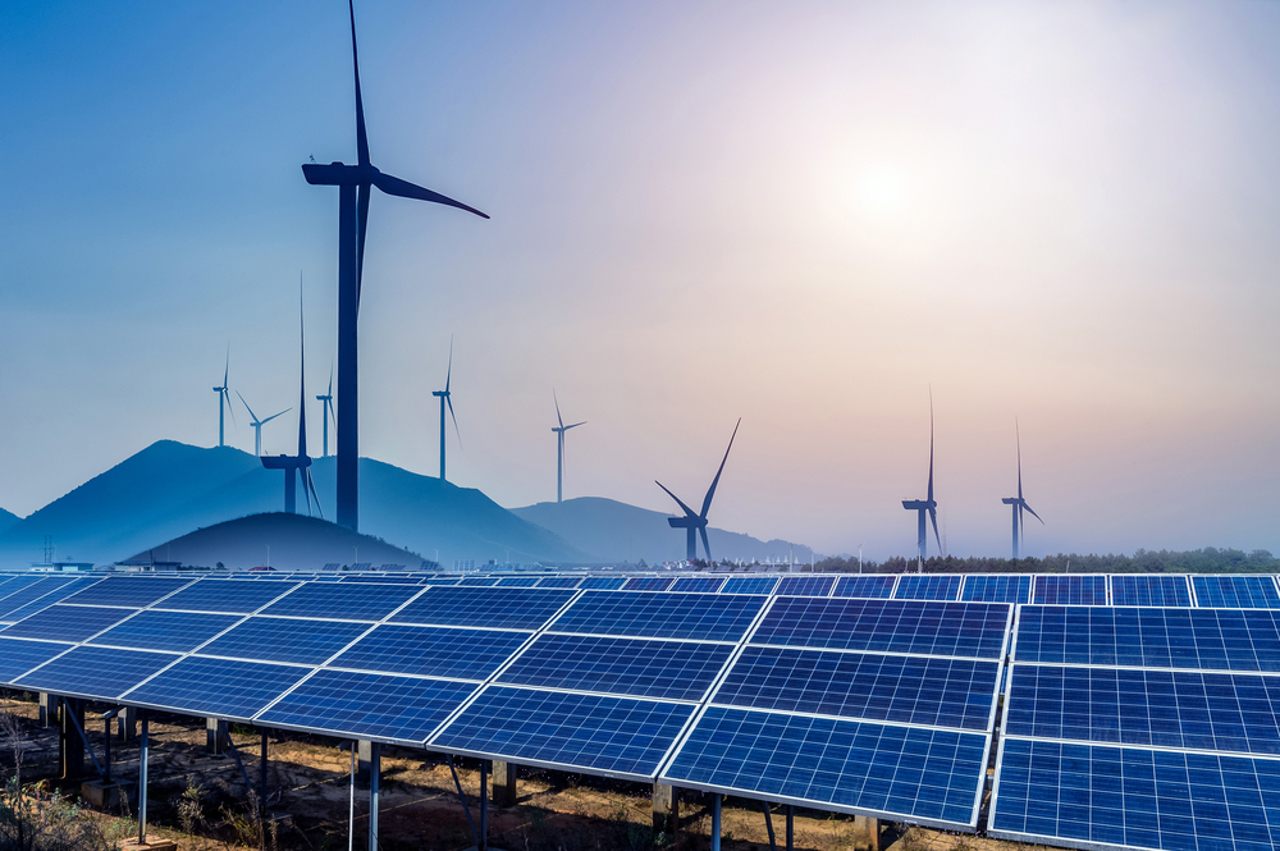
The Republic of Moldova has achieved a significant milestone in the energy sector, as its renewable energy production capacity has now surpassed 1 gigawatt. As of early 2026, the total installed capacity has reached more than 1,023 megawatts (MW), according to information from the National Center for Sustainable Energy (CNED).
In the first two months of 2026, the National Energy Regulatory Agency (CNED) reported the installation of 42.44 MW of new renewable energy sources (RES) capacity.
By the end of 2025, the Republic of Moldova had surpassed the 1 GW threshold, reaching a total installed capacity of 980.98 MW. This represents an increase of approximately 69% over the previous year, when capacity was about 580 MW.
CNED noted that installed capacity has increased by 13.23 times over the past five years. In 2020, Moldova had only 77.37 MW installed; now the increase exceeds 946 MW, with 2025 playing a crucial role in this expansion.
Solar energy is the dominant source in this sector. According to official data, photovoltaic technology accounts for 747.00 MW, which represents 73% of the total installed capacity. Wind energy ranks second with 252.52 MW, accounting for 25% of the total, while hydroelectric power plants and biogas plants contribute smaller shares of 16.75 MW and 7.16 MW, respectively, each accounting for about 1% of the total.
A significant contributor to this development is the rise of consumers who produce their own energy, known as prosumers. At the end of February 2026, state-regulated support mechanisms encouraged the active participation of 9,049 prosumers. Specifically, 5,051 of them benefit from net metering, while 3,998 use net billing.
In total, prosumers have installed 202.34 MW, representing approximately 20% of the existing capacity. In addition to individual initiatives, public policies have played a crucial role. Various support mechanisms, such as fixed tariffs and prices, have contributed to the installation of 452.92 MW, which accounts for 44% of the current total capacity.
An important milestone for the sector was the launch of the first auctions for renewable capacity in 2025. These auctions introduced a fixed-price mechanism, resulting in the installation of 60 MW of photovoltaic capacity in the first round of selected projects.
CNED emphasizes that these achievements align with the nation’s strategic objectives. The development of renewable energy plays a direct role in reducing polluting emissions, diversifying energy sources, and decreasing dependence on imports.