Food waste: Moldovans to “throw away” over 21M lei in 2026
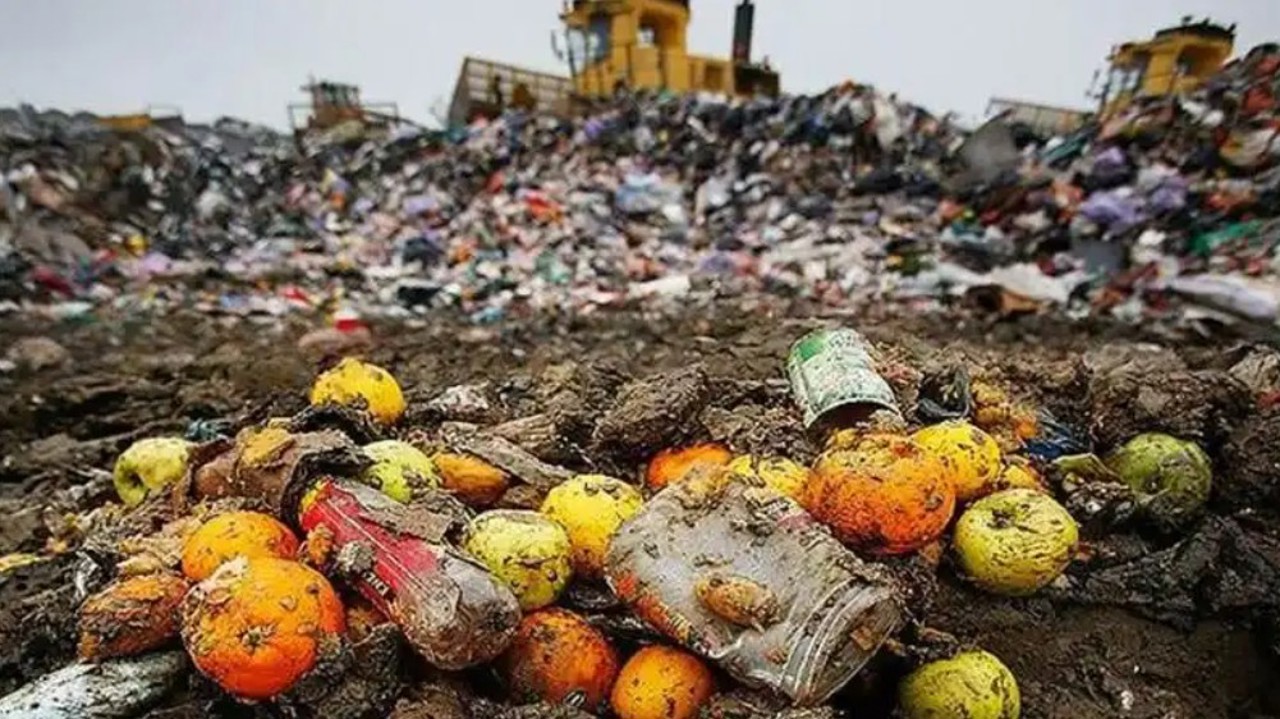
A study conducted by the Institute for Development and Social Initiatives "Viitorul" reveals that the amount of money Moldovans spend on food annually is four times that spent on health, recreation, culture, and education combined. The research shows that approximately 40% of household expenses in Moldova are allocated for food, and about 5% of this food is wasted.
The expenditure on food products that will end up in the trash this year is expected to reach approximately 21 million lei, according to economic expert Veaceslav Ioniță.
Ioniță emphasized that food waste increases significantly during the holidays. “During this time, the cost of a meal can reach 7,700 lei. People tend to put 150% more food on the table than they actually consume, leading to enormous waste," he noted.
In the Republic of Moldova, about 1.1 million servings of food are discarded daily, a volume sufficient to feed the entire country's needy population. During the holiday period, this figure rises to around 1.5 million servings a day, Ioniță pointed out.
Studies indicate that 80% of the population cannot afford a healthy meal, and half cannot even afford a minimal meal. This situation highlights a stark contrast: while many people are struggling to find enough food, we continue to waste substantial amounts.
Calculations show that approximately 180,000 tons of food are wasted each year. "If we placed all this food on a train, it would fill 3,000 wagons—that's the amount of food we throw away in a year," the expert explained.
In this context, Veaceslav Ioniță cited data from the EU and UN indicating that 56% of all wasted food originates from households: “We buy food, bring it home, and don’t consume it, ultimately throwing it away.”
A 2025 study on food waste in kindergartens, involving about 20,000 servings, found that 10% of the food served to children remains uneaten. Ioniță pointed out that “every year, 150 million lei from the national public budget is wasted on food left on children’s plates.” He emphasized, “It may not seem like much at first, but 150 million lei is a considerable amount that could be used for many important initiatives.”
“I sincerely hope that public authorities in the Republic of Moldova will recognize this issue and understand that it arises from not paying sufficient attention to what children eat, their preferences, and what they tend to leave uneaten,” he added.
Reducing food waste relies on raising awareness among authorities, retailers, and consumers. Only through collective effort can we reduce food waste and utilize the limited resources of the Republic of Moldova more effectively to meet the needs of the most vulnerable populations, concluded Veaceslav Ioniță.