Moldova secures €7.9m for Dniester resilience amid regional war threats
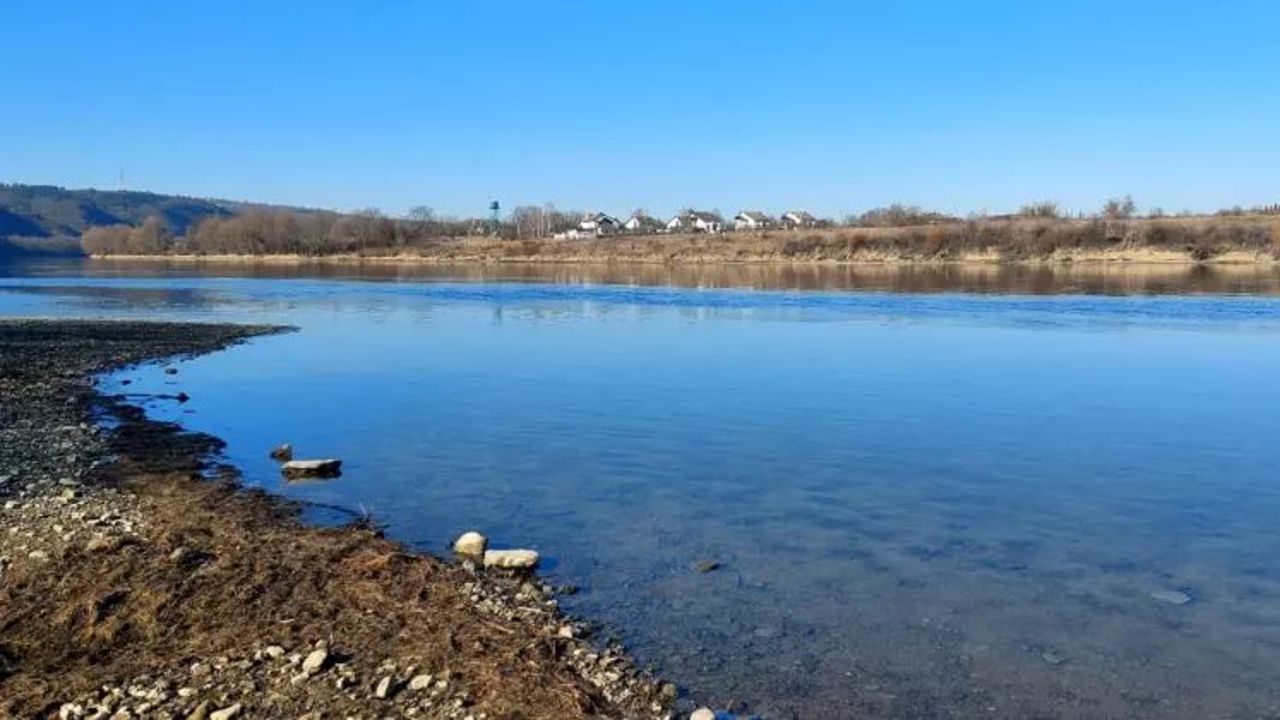
Moldovan Minister of Environment, Gheorghe Hajder, has announced a €7.9 million (approx. 154.8 million MDL) non-reimbursable grant dedicated to restoring the Dniester River basin. The funding aims to rehabilitate ecosystems following a severe pollution crisis that recently threatened the nation’s primary water source.
The strategic investment will focus on enhancing the river’s natural bio-filtration capacity. This measure is designed to mitigate the impact of future environmental disasters, particularly as the ongoing conflict in Ukraine continues to pose significant risks to regional infrastructure.
Strategic resilience and international support
The grant is provided by international partners, including the Global Environment Facility (GEF). Minister Hajder confirmed that a dedicated implementation team is currently being established to oversee the restoration projects and ensure long-term environmental stewardship.
"We must be prepared for any eventuality, especially while the war in Ukraine persists," Hajder stated. He emphasized that restoring the river's self-cleansing ability is critical for national security.
Context of the crisis
The funding follows an environmental state of emergency declared on March 16. The alert was triggered by the March 7 attacks on the Novodnestrovsk Hydropower Plant, which led to significant contamination of the Dniester River.
The resulting crisis caused temporary but severe disruptions in the potable water supply for residents in northern Moldova. Emergency assistance from the European Union, specifically from Romania, was instrumental in stabilizing the situation during the 15-day alert period.
Ongoing monitoring
While the official state of emergency concluded on April 1, the Ministry of Environment remains on high alert. Authorities have committed to continuous water quality monitoring and the implementation of preventive measures to safeguard the basin against future shocks.
Translation by Iurie Tataru