Moldova targets 2,000 illegal landfills in major waste management overhaul
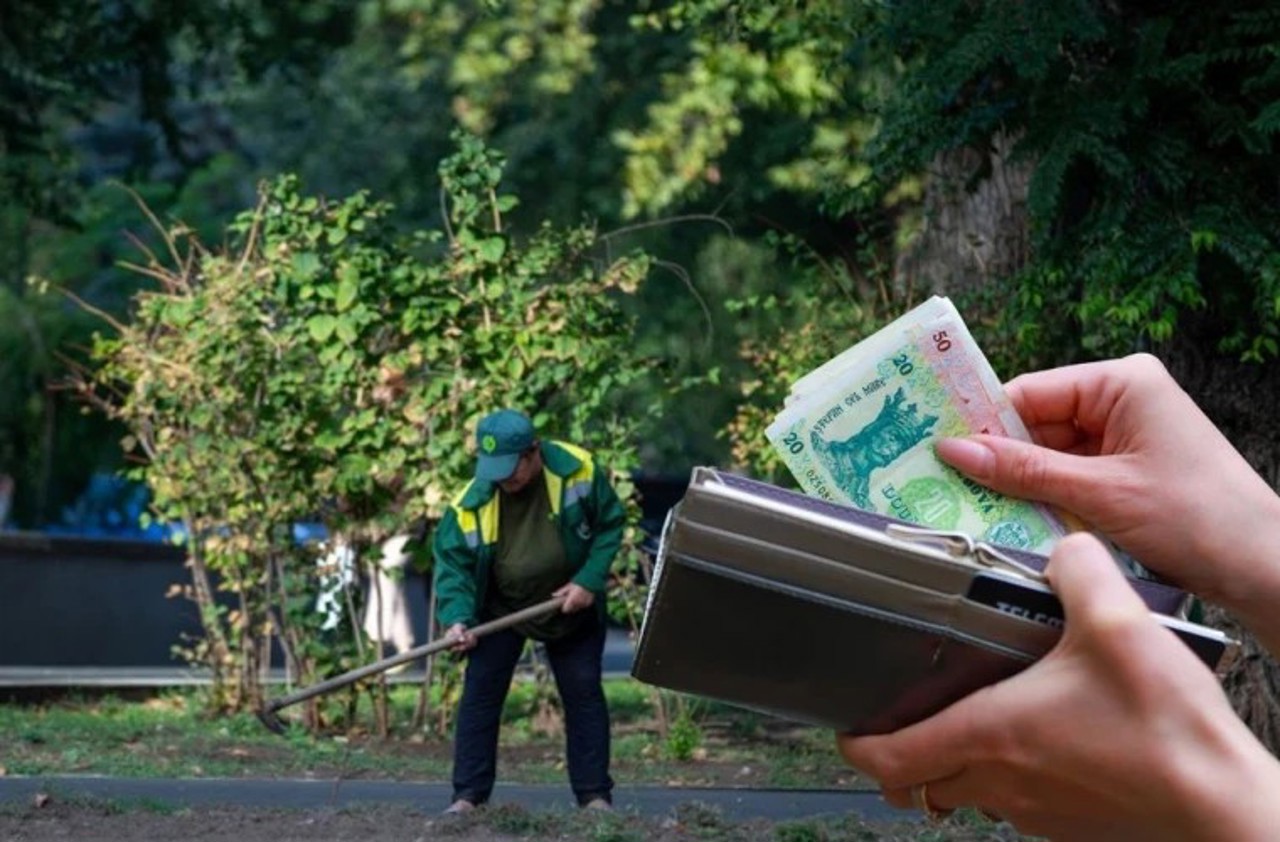
The Republic of Moldova continues to struggle with over 2,000 illegal landfills as a lack of infrastructure and adequate funding stalls waste management efforts. Environment Minister Gheorghe Hajder recently identified systemic deficiencies and poor local governance as the primary drivers of this ecological crisis.
According to official reports, waste is frequently dumped in unauthorized fields and forests due to underdeveloped sanitation services. Minister Hajder emphasized that waste management must be treated as a paid utility, similar to water or electricity, to ensure operational quality.
The cost of political pricing
The Minister warned that sanitation fees are often kept artificially low for political reasons, directly undermining service efficiency. He urged all municipalities to implement realistic waste taxes as the only viable method for protecting the local environment.
"The long-term costs of environmental degradation will far outweigh the utility fees required today," Hajder stated. He noted that the government will prioritize future funding for communities that prove their services are functional and self-sustaining through local contributions.
Path to EU integration
To address the crisis, authorities have launched infrastructure projects including regional collection and sorting centers. Currently, over 100 municipalities have received support for purchasing specialized waste trucks and containers.
The reform follows the 2025 Law on Public Sanitation Services, which aligns Moldova with European Union standards. The government plans to launch major infrastructure projects in 2026, targeting a transition from the current 5% recycling rate to a mandatory three-fraction sorting system by 2028.
Translation by Iurie Tataru