Modern reimagining of Schiller’s Intrigue and Love premieres at TNME Chișinău
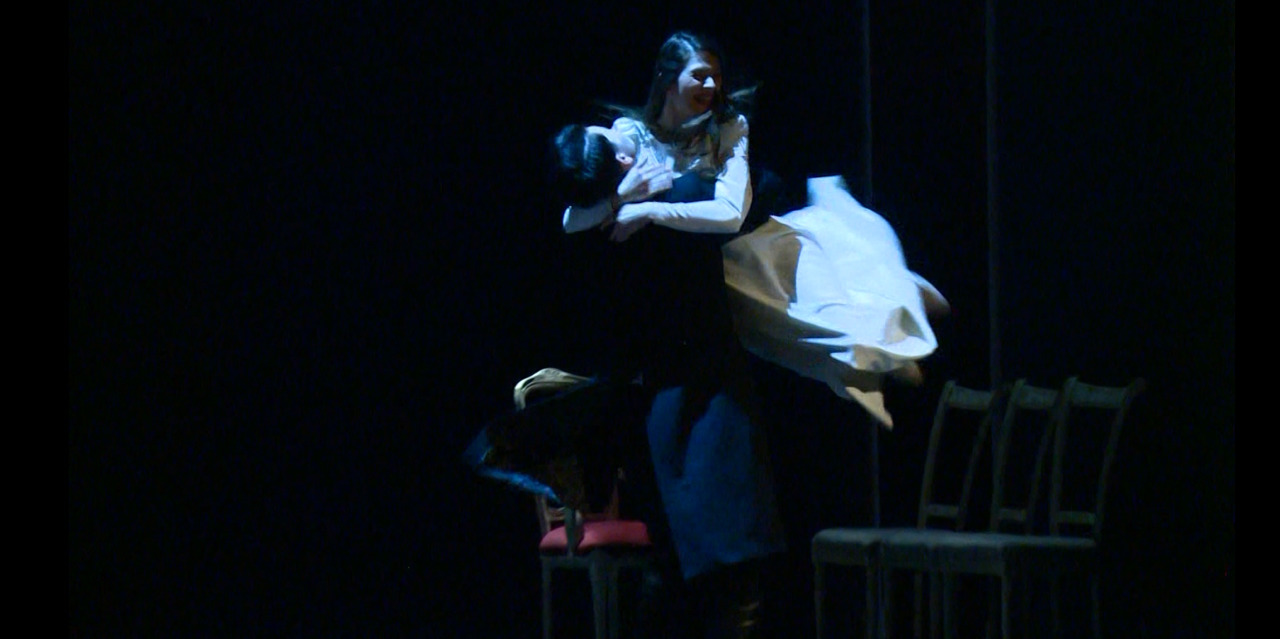
The Mihai Eminescu National Theater (TNME) in Chișinău debuts a bold, modern production of Friedrich Schiller’s "Intrigue and Love" this Saturday. Directed by Alexandru Cozub, the performance reimagines the 18th-century classic as a sharp critique of contemporary corruption and social manipulation.
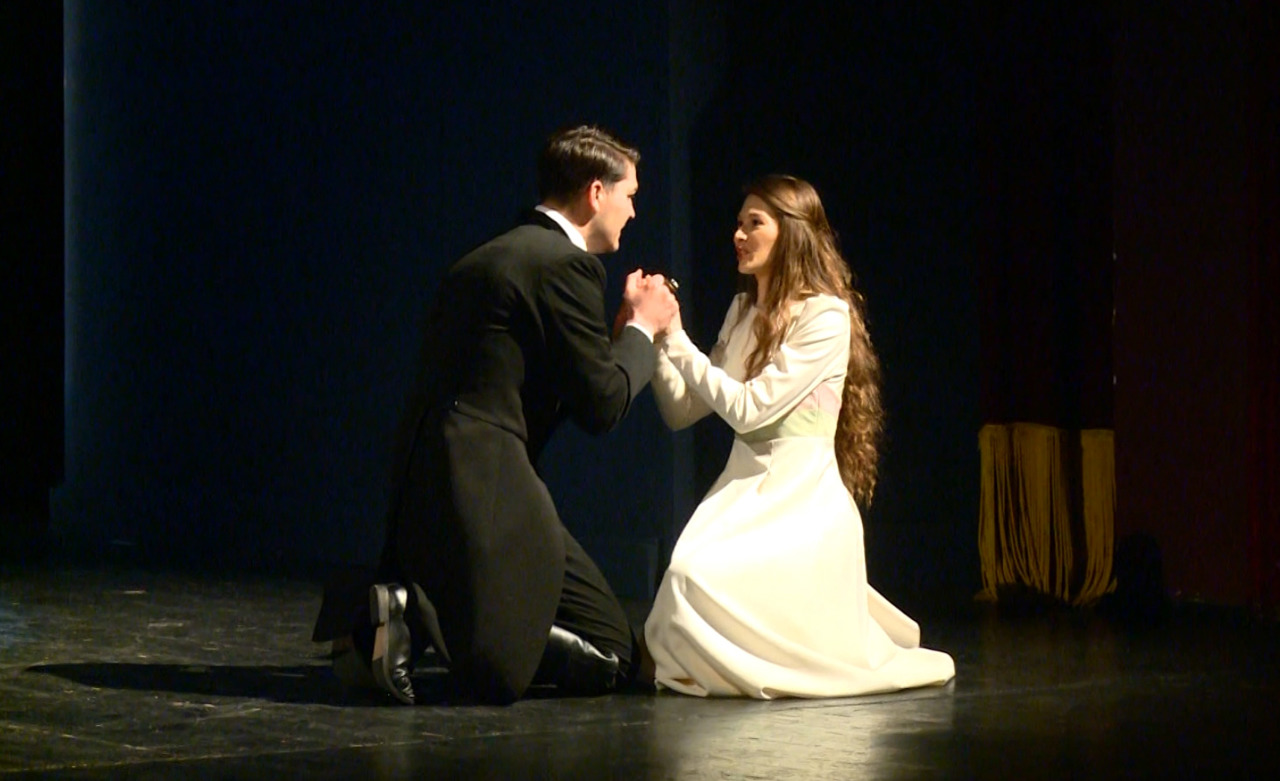
The narrative centers on the tragic romance between Luise, a musician’s daughter, and Ferdinand, a nobleman’s son. Their bond faces relentless sabotage from a predatory social landscape where status is traded as a commodity.
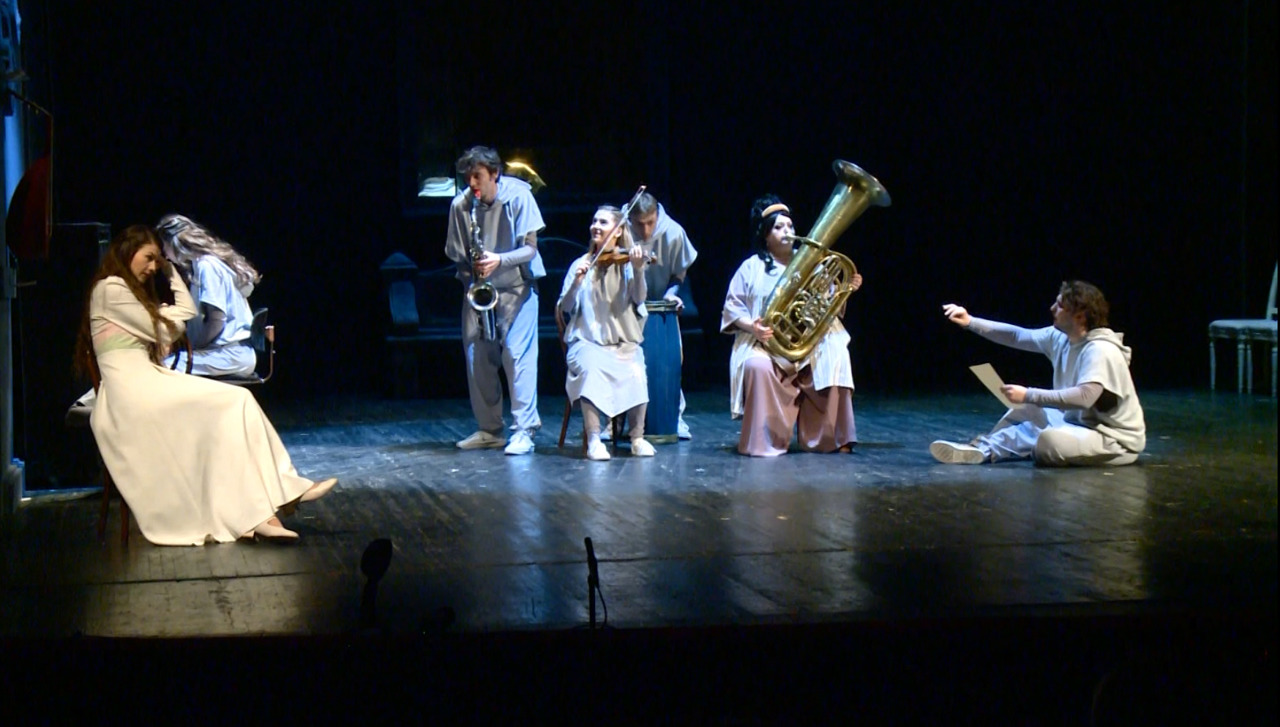
A father’s dilemma
Actor Petru Oistric, portraying Luise's father, brings personal emotional depth to the role. He describes the character’s resistance to the union not as mere spite, but as a protective instinct against a volatile, wealthy elite.
The lead roles are performed by Corina Rotaru and Sergiu Vîzdoagă. Vîzdoagă notes that the production serves as a powerful plea for parental empathy, urging a world where love is not "devoured" by cynicism.
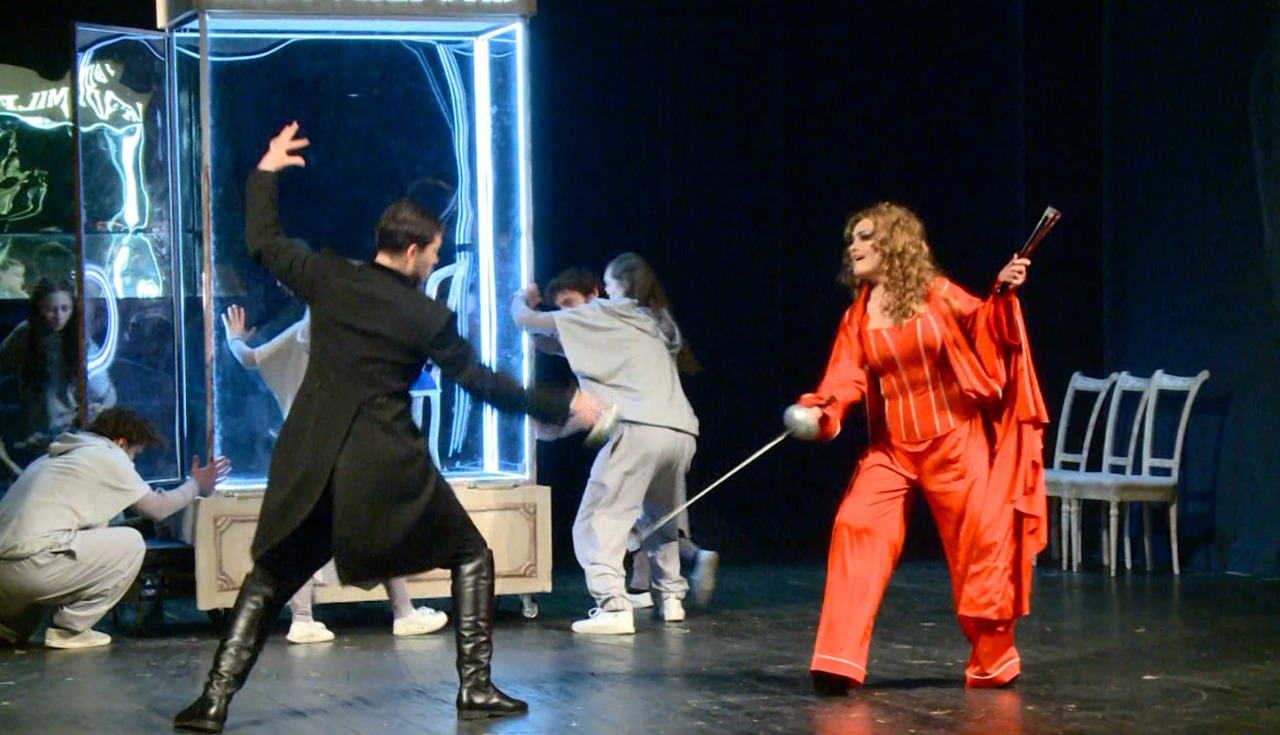
Modern framing of a classic
Director Alexandru Cozub explores the stark contrast between pure emotion and a world where everything has a price. This tension is embodied by Lady Milford, the Duke’s favorite, played by Margareta Pântea, who describes the role as a profound professional challenge.
Theater critic Larisa Turea highlights the significance of bringing the "rebel poet" Schiller to the modern stage. She notes that the author of the "Ode to Joy"—now the European Anthem—remains vital for today’s audiences.
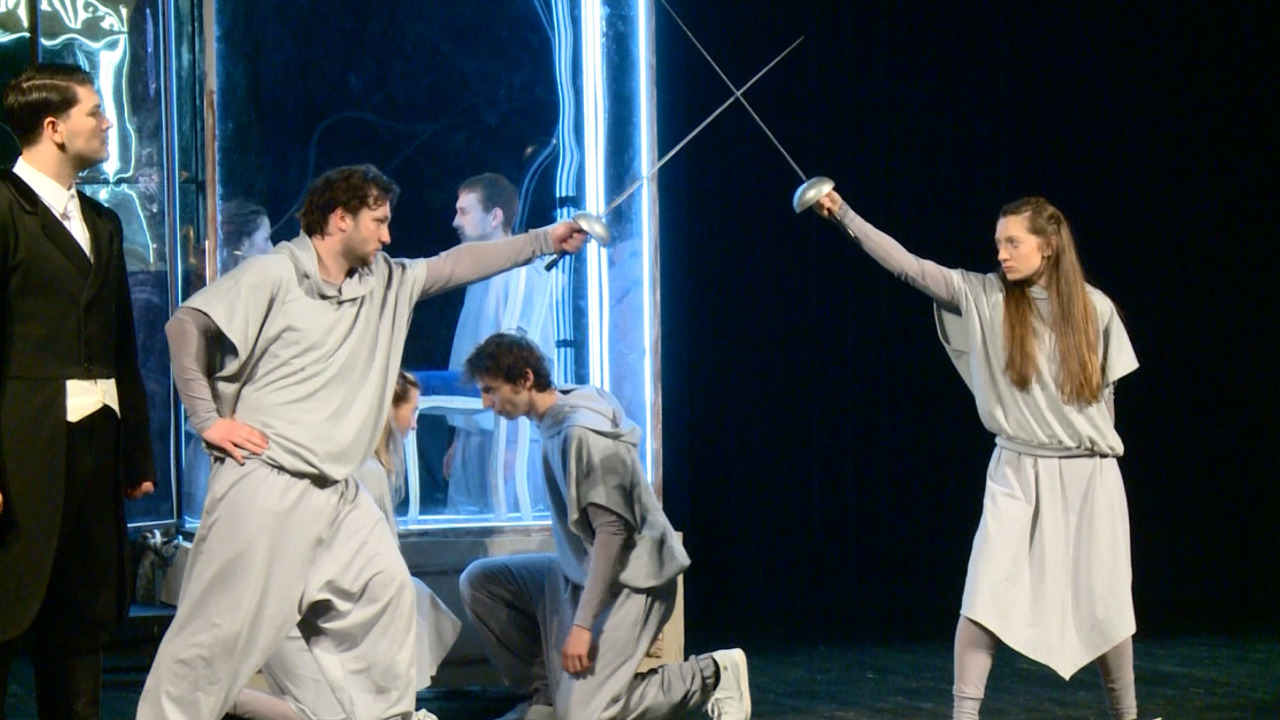
A cultural milestone
Petru Hadârcă, Director of TNME, emphasized that this premiere enriches the national repertoire and offers a transformative experience for spectators. He invites the public to witness this "stunning jewel" of European drama.
Friedrich Schiller was only 25 when he wrote the play, which saw its world premiere in Frankfurt on April 15, 1784. Over two centuries later, its themes of power and forbidden love remain strikingly relevant in Chișinău.
Translation by Iurie Tataru