Security vs. liberty: Moldova’s anti-intervention measures trigger EIU downgrade
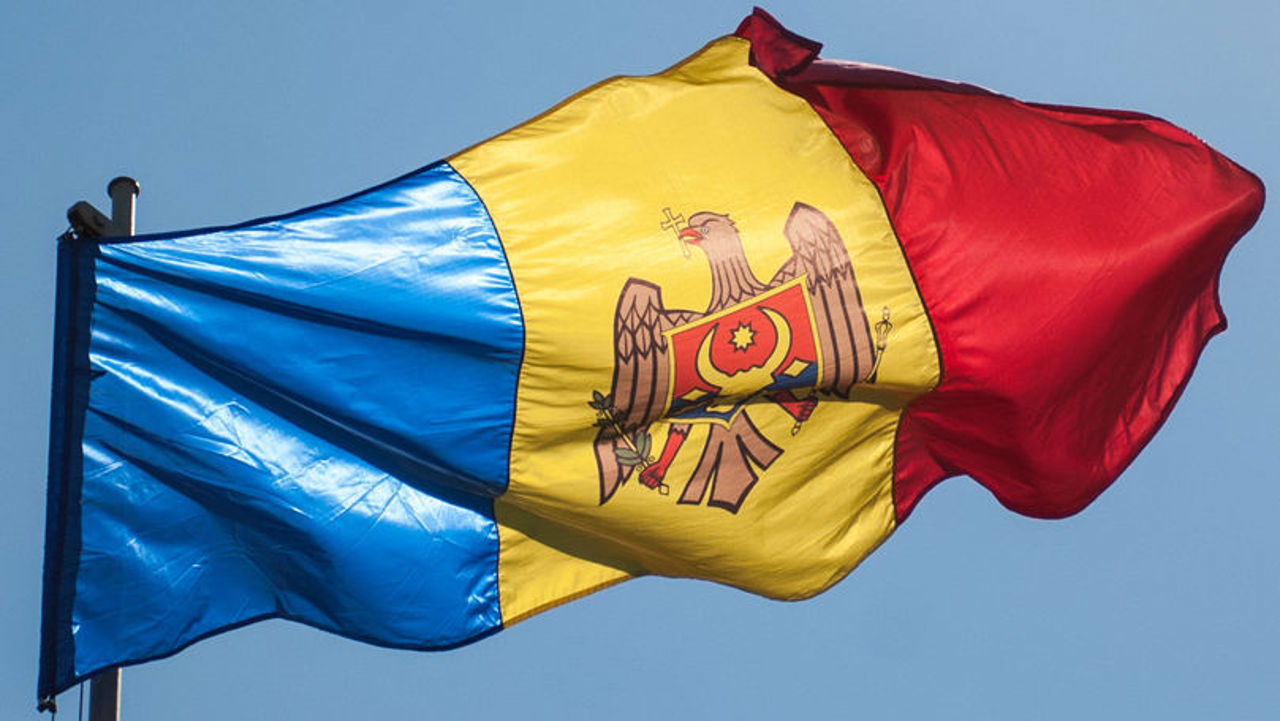
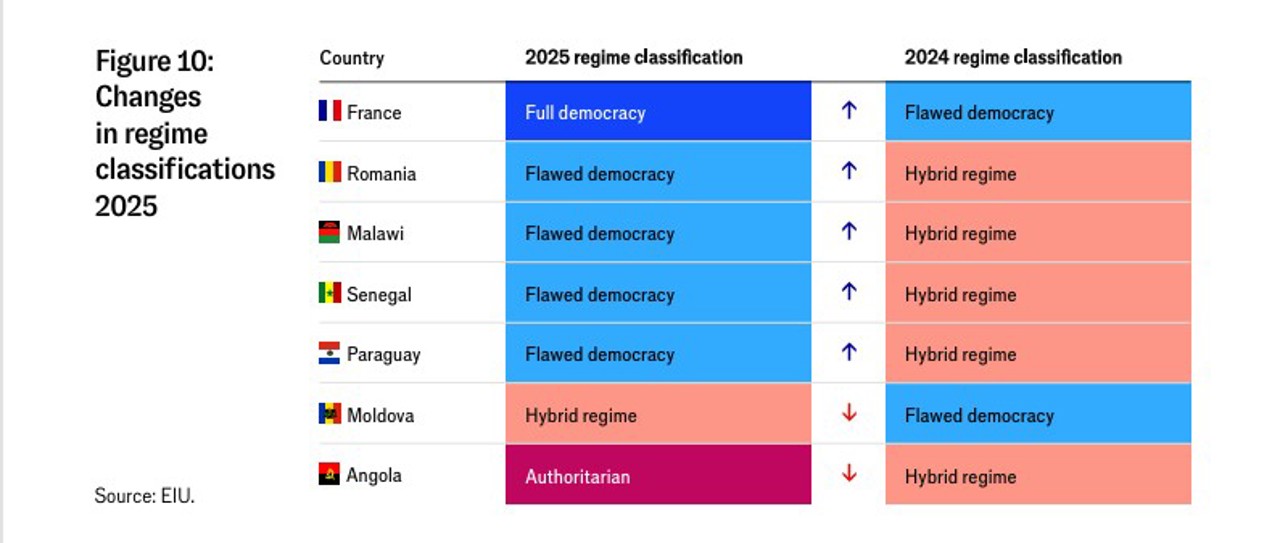
The Republic of Moldova has been downgraded from a "flawed democracy" to a "hybrid regime" in the 2025 Democracy Index, published by The Economist Intelligence Unit (EIU). The report, which assesses 167 countries, places Moldova among the few nations experiencing a decline during a period of relative global stabilization.
The EIU Index evaluates nations based on electoral processes, governance, civil liberties, and political culture. For Moldova, the "hybrid" classification reflects a system where democratic elements exist but fail to function with full efficiency or transparency.
Regional shifts and exceptions
While Moldova slipped, neighboring Romania returned to the "flawed democracy" category after a brief stint as a hybrid regime in 2024. Other global movers included France, which regained "full democracy" status, while Georgia and Ukraine saw significant score reductions due to institutional erosion and conflict.
Eastern Europe and Central Asia overall saw a slight decline for the third consecutive year. Analysts noted a continuing deterioration in personal freedoms and a growing public distrust in government institutions and political parties across the region.
The cost of defensive measures
Valeriu Pașa, President of WatchDog.MD, suggests the downgrade stems from the aggressive measures Moldova has taken to combat Russian interference and illicit election financing. While these actions are aimed at protecting national security, they often conflict with traditional democratic perceptions.
"The application of measures to combat illegal financing cannot pass without affecting how Moldovan democracy is perceived," Pașa explained. He noted that disqualifying candidates during election periods and imposing heavy fines are often viewed negatively by both citizens and international observers.
A shift toward prevention
The expert argued that the judicial system, rather than electoral commissions, should be the primary tool for cleaning up the political class. He emphasized that the lesson for Moldova is to shift focus from fighting the symptoms of corruption to addressing its root causes.
"Malign actors and foreign agents should face judicial consequences long before they reach the ballot box," Pașa concluded. This strategic shift is seen as essential for Moldova to regain its status as a "flawed democracy" and continue its European integration path.
Translation by Iurie Tataru