Exhibition on the 1903 Pogrom in Chișinău; Maia Sandu: “We must remember to honor the victims”
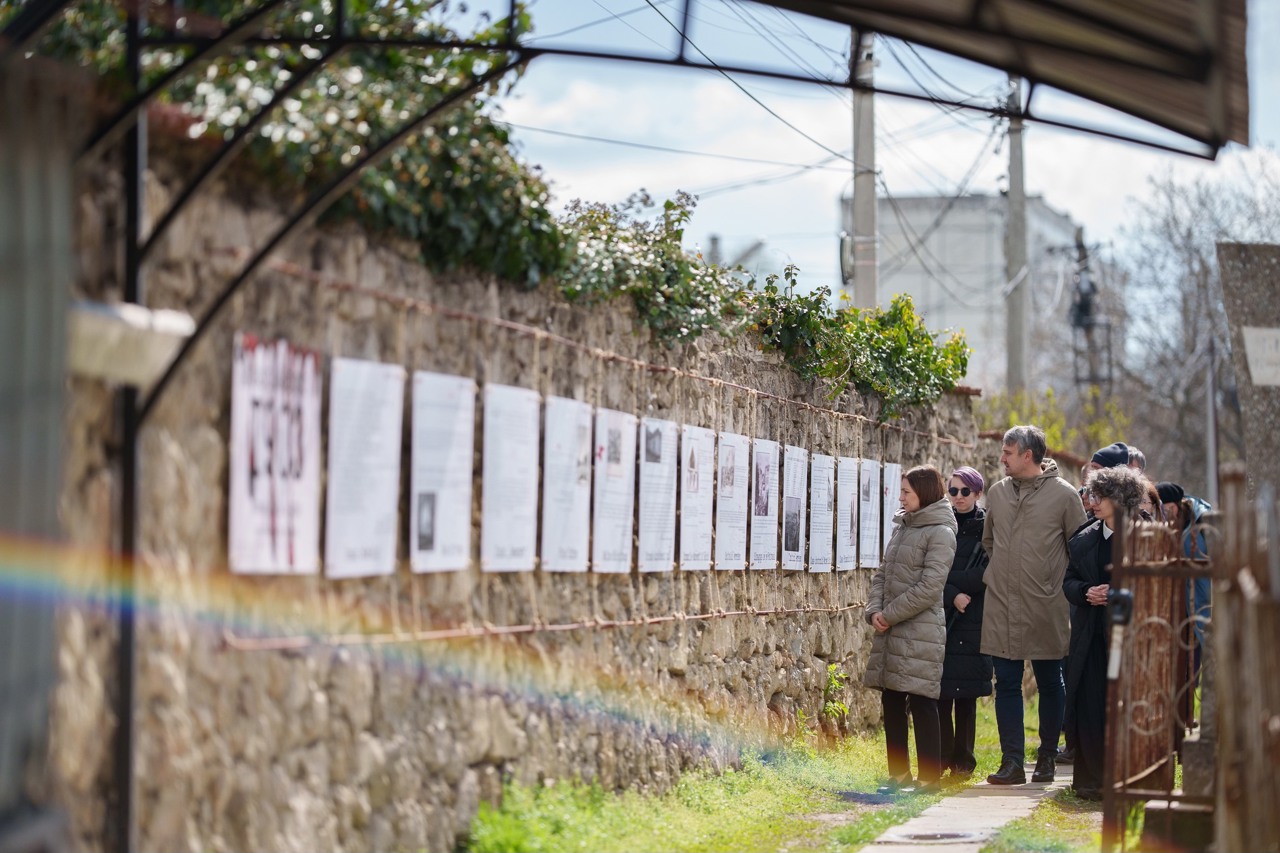
An exhibition honouring the victims of the 1903 Pogrom, one of the most tragic events in the history of Chisinau, was inaugurated at the Jewish Cemetery in Chisinau. The event was attended by President Maia Sandu and Minister of Culture Cristian Jardan.
The exhibition titled "1903. The Chisinau Pogrom through Period Documents," organized by the Museum of Jewish History in Chisinau, aims to bring attention to the tragic events that occurred from April 6 to 8, 1903 (according to the old calendar), through archival documents, personal testimonies, and historical research. This information was shared by the Ministry of Culture in a recent press release.
The head of state described the pogrom as "a deep wound and a warning about where hatred and indifference can lead."
"We have a duty to remember, to honor the victims, and to preserve historical truth to ensure that such crimes do not happen again. I urge you to visit the exhibition and hear the shocking testimonies that give voice to those who can no longer speak. Memory is our responsibility; it belongs to all of us," the head of state wrote on her Facebook page.
The Minister of Culture emphasized that this event is an essential part of the historical heritage of Chisinau and the Republic of Moldova. "Commemorating this episode means preserving historical truth and recognizing a tragedy that profoundly impacted the entire region," stressed Minister Cristian Jardan.
The exhibition is held in a significant location: the Jewish Cemetery in Chisinau, situated between the ruins of the former Funeral Hall and the walls of the Gheniza, a site that bears witness to the tragedy.
The Chisinau pogrom of 1903 took place on April 6–8 against the local Jewish population. It was sparked by an article in the anti-Semitic Russian-language newspaper "Bessarabeț," which reported that a Christian child of Ukrainian origin, Mihail Rybacenko, had been found dead in Dubăsari, insinuating that he had been killed as part of a Jewish ritual. During the pogrom, 49 Jews were killed, approximately 500 were injured, about 2,000 Jewish families were left homeless, and 1,500 Jewish shops and homes were destroyed. At that time, Chișinău was part of the Russian Empire and served as the seat of the Bessarabia governorate.