US Navy defies Iranian threats with first post-armistice transit through Strait of Hormuz
US Navy warships conducted a unilateral transit through the Strait of Hormuz on Saturday, marking the first such maneuver since the conflict began. A U.S. official confirmed the move to Axios, stating the operation was not coordinated with Tehran.
The deployment aimed to restore confidence for commercial shipping interests. This show of force coincided with the commencement of peace negotiations between the two nations currently held in Pakistan.
U.S. officials framed the transit as a "freedom of navigation" operation. The naval group crossed from east to west into the Persian Gulf before returning to the Arabian Sea, maintaining a presence in international waters throughout.
Tehran has denounced the maneuver as a violation of the current ceasefire. Iranian state media reports indicate the government has threatened potential strikes against future naval incursions in the region.
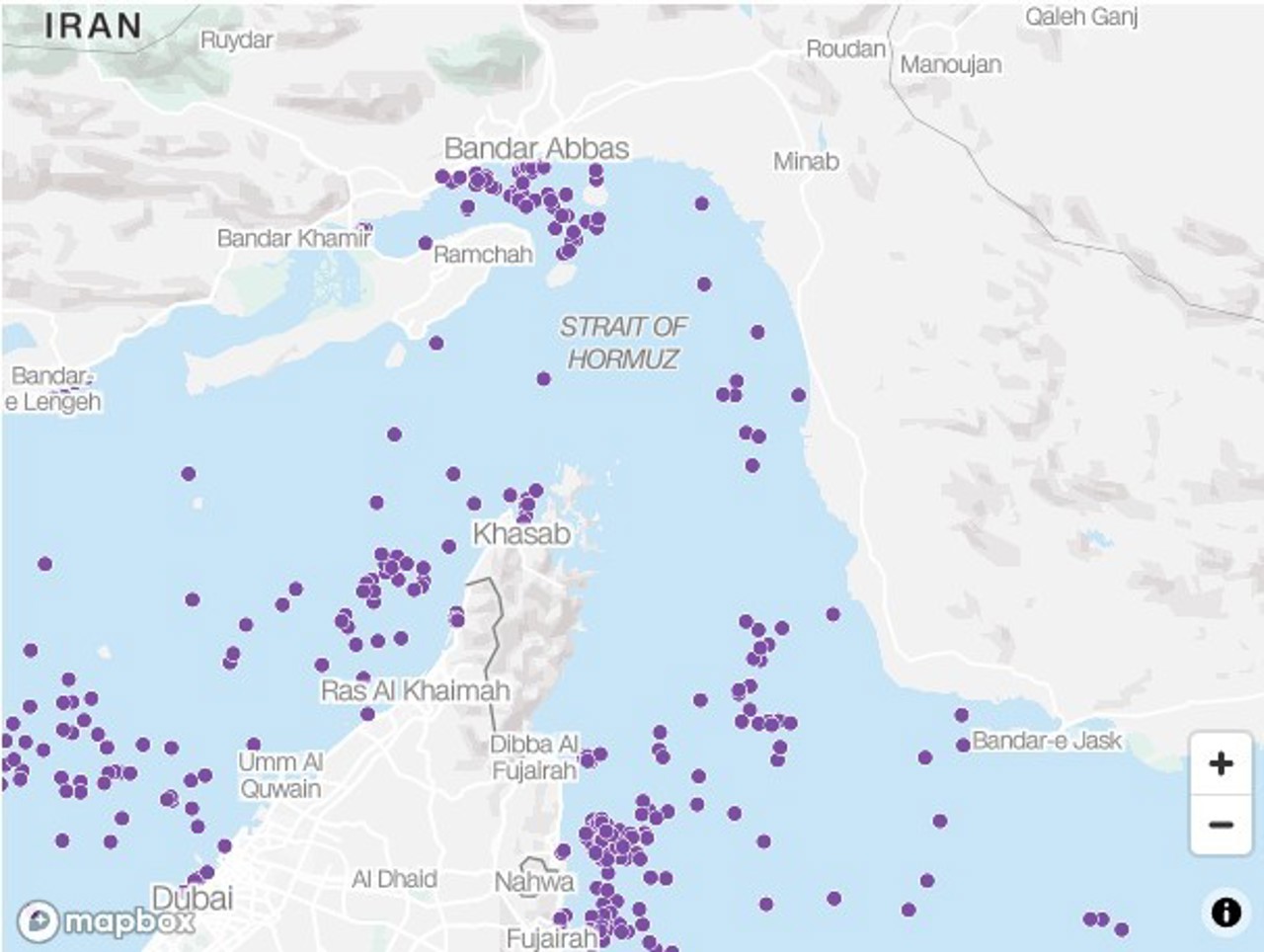
The reopening of this vital waterway remains a cornerstone of the U.S.-Iran armistice. Despite the agreement, the Strait of Hormuz—essential for the global energy economy—has seen only a fraction of its typical maritime traffic.
By Saturday morning, tracking data identified only three Chinese supertankers traversing the corridor. This minimal activity reflects a broader industry hesitation caused by ongoing security concerns and intimidation.
Internal intelligence suggests a technical failure on the Iranian side. According to reports from the New York Times, Iran is currently unable to clear the waterway because it cannot locate or remove the naval mines it previously deployed.
Translation by Iurie Tataru