Hungary’s new era: Peter Magyar’s victory may decouple Moldova from Ukraine’s EU path
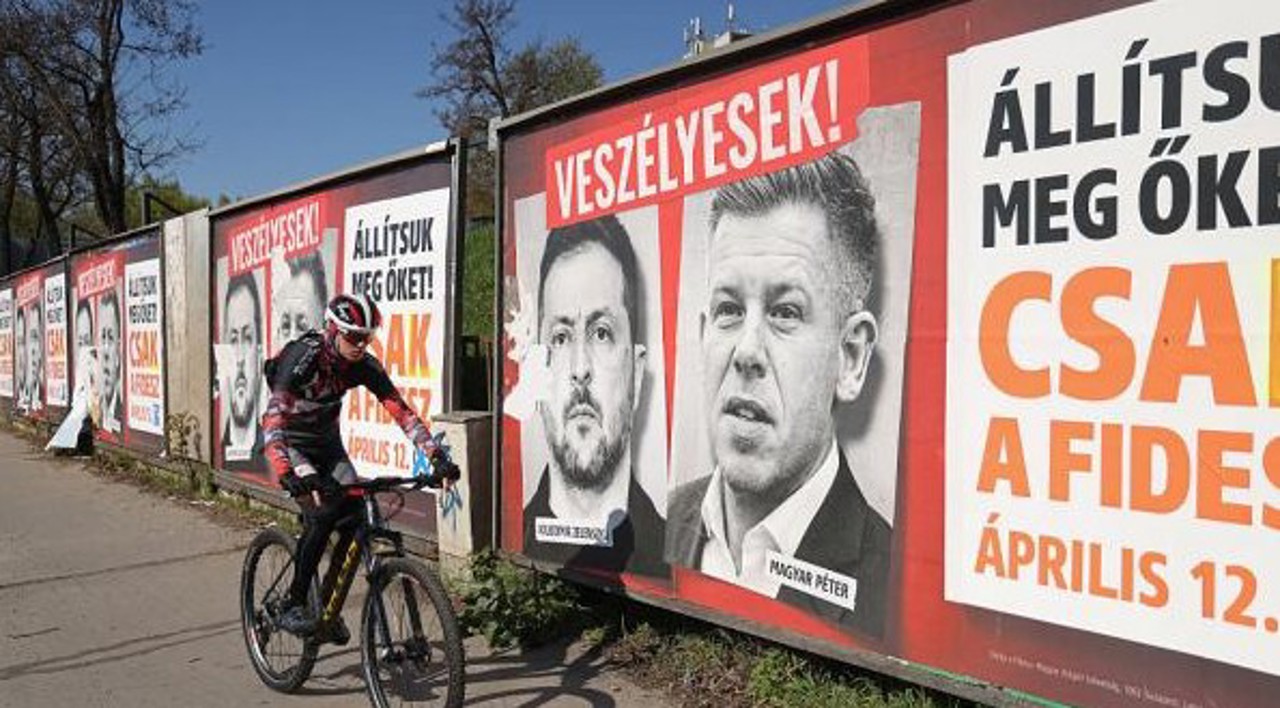
The landslide victory of Péter Magyar and his Tisza party in Hungary’s parliamentary elections signals a potential diplomatic thaw with Brussels, but poses new risks for the regional "integration tandem" of Moldova and Ukraine.
A shift in regional dynamics
According to Black Sea regional analyst Mihai Isac, while Magyar is expected to mend ties with the European Union and NATO, his stance toward Kyiv remains cautious. This divergence could lead to a strategic "decoupling" of Moldova’s European integration process from that of Ukraine.
Isac noted that Magyar, a former Fidesz insider for two decades, may employ familiar political maneuvers to consolidate power. His party’s platform, which suggests a referendum prior to Ukraine’s EU accession, indicates that elements of the previous administration's restrictive policy toward Kyiv might persist.
Diplomatic reactions and strategic risks
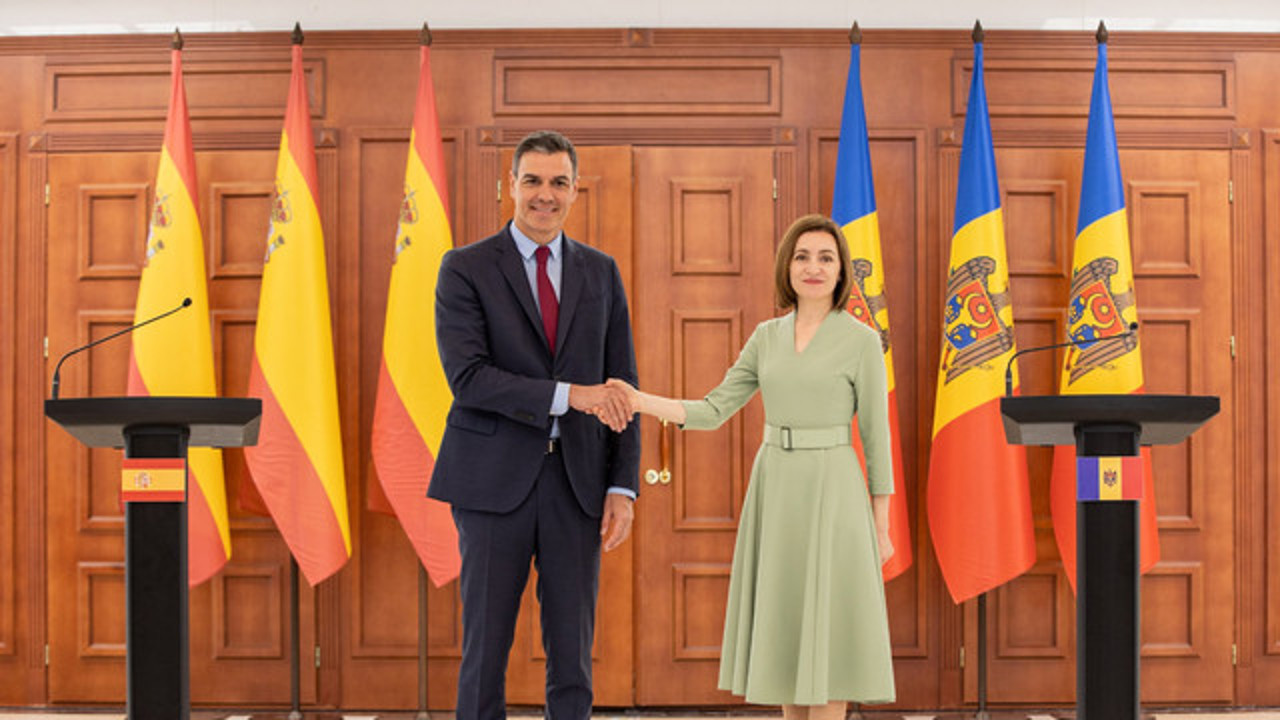
Moldovan President Maia Sandu congratulated Magyar on Monday, April 13, emphasizing the need for cooperation to build a "stronger and united Europe." Despite the optimism, experts advise Chisinau to establish diplomatic contact with the new Budapest administration immediately to mitigate the risk of isolation.
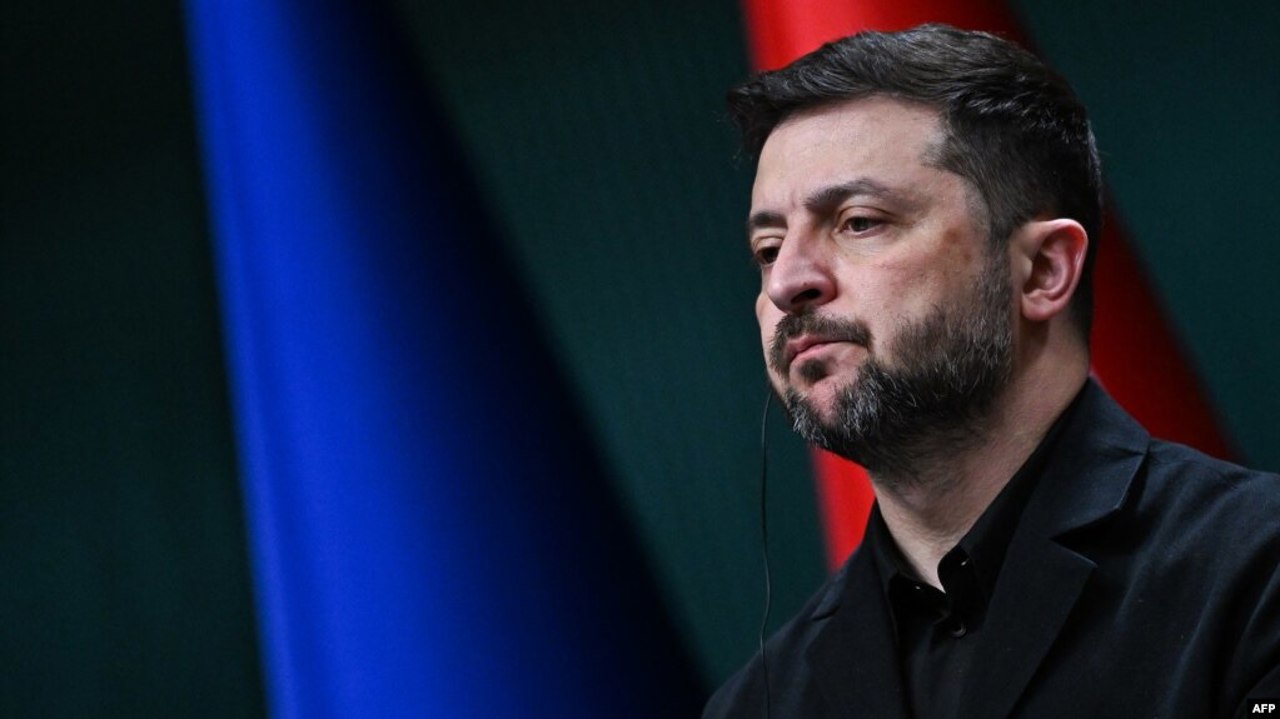
Ukrainian President Volodymyr Zelenskyy also welcomed the results, calling it a "victory for a constructive attitude." He expressed readiness for joint work, despite the looming policy uncertainties of the incoming Hungarian government.
The scale of the mandate
With 98.94% of votes counted, the Tisza party has secured a dominant position in the Hungarian Parliament, holding 138 out of 199 seats.
This supermajority grants Magyar significant leverage. Viktor Orbán’s Fidesz party has been reduced to 55 seats, while the far-right Our Homeland party holds six. The definitive nature of this shift leaves the region bracing for a new, yet complex, Hungarian foreign policy.
Translation by Iurie Tataru