Moldova discusses new IMF program in Washington
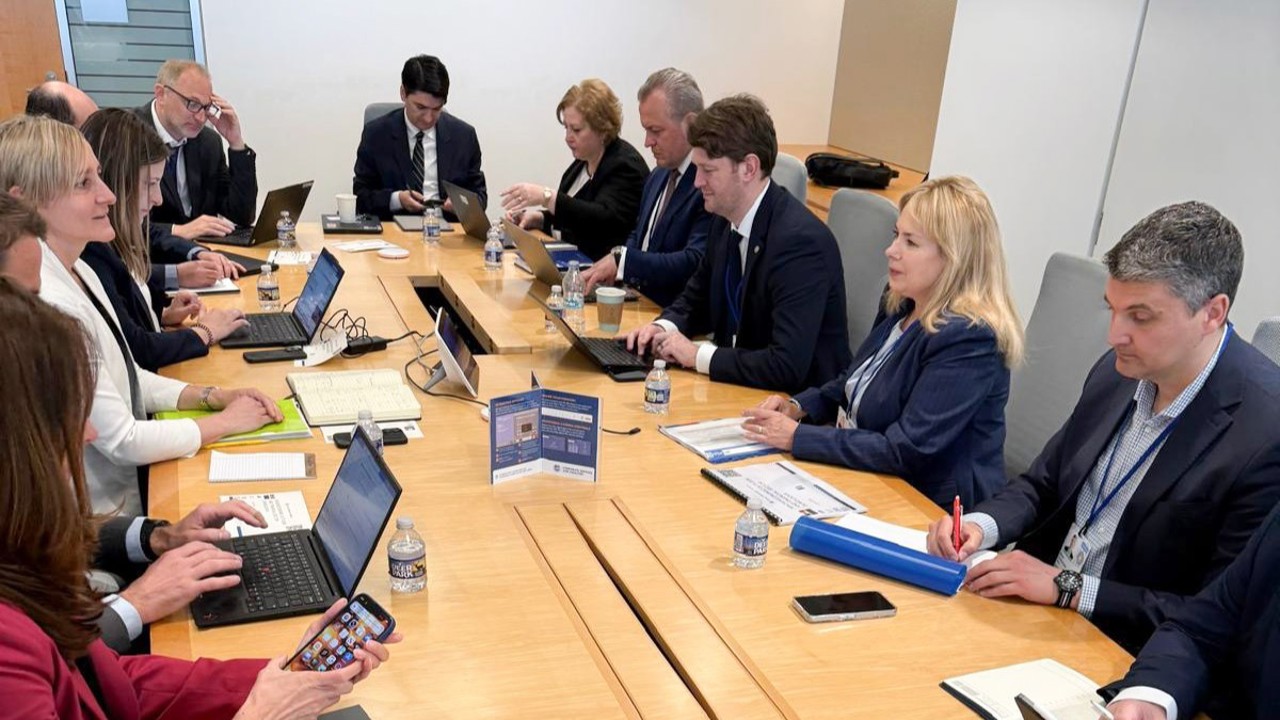
The new program with the International Monetary Fund (IMF) aims to support Moldova's European integration by enhancing the country's macroeconomic stability and resilience. Chisinau has requested to initiate the program, which does not include a financial component, for a three-year term.
During discussions in Washington with the IMF Mission Chief for the Republic of Moldova, Alina Iancu, the Chisinau delegation emphasized the importance of maintaining a strong partnership with the Fund.
“The new program with the IMF will play a crucial role in enhancing the country’s macroeconomic stability and resilience. It will serve as an anchor of credibility for structural reforms and the state’s economic policies, thereby supporting Moldova’s progress toward European integration,” stated Anca Dragu, the Governor of the National Bank of Moldova (NBM).
The dialogue with the IMF Mission Chief addressed the structural reform agenda, monetary policy, and anti-inflation measures. Additionally, the stability of the banking sector and the effective governance of the NBM were underscored as essential components for an economy capable of confronting challenges posed by escalating geopolitical conflicts and global trade tensions.
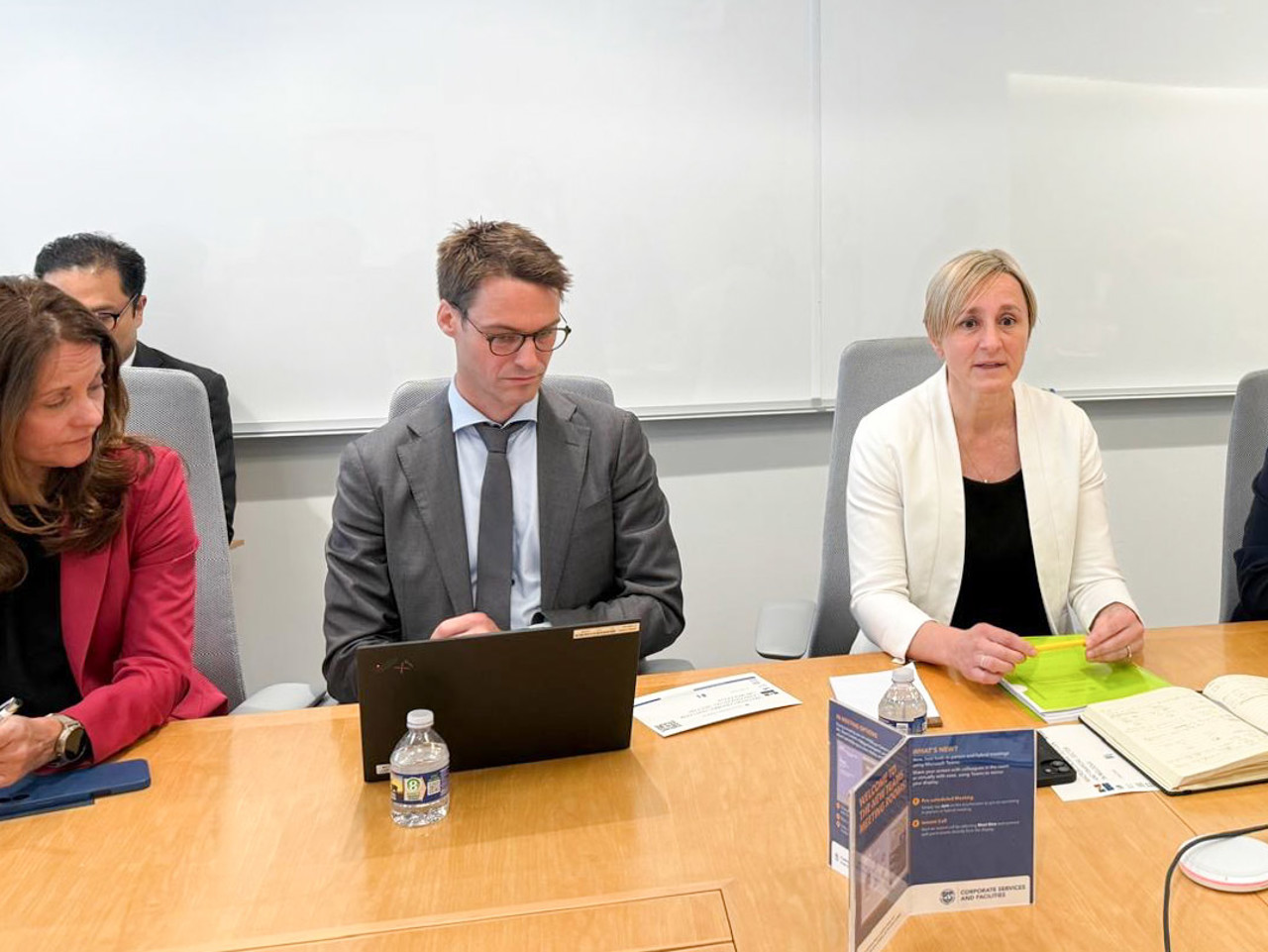
The Republic of Moldova has begun negotiations on a new program with the International Monetary Fund (IMF) following a positive assessment of its economy. According to the report reviewed by the IMF Executive Board on February 27, the Moldovan economy shows signs of recovery from recent shocks, aided by structural reforms and increased investment, particularly from the European Union.
The IMF projects economic growth of 2.3% in 2026, driven by "a good harvest, strong domestic demand, and substantial financing from the EU."
Prime Minister Alexandru Munteanu has indicated that the potential cooperation program with the IMF would not provide additional financing to the Republic of Moldova. Instead, it would serve to certify the country’s macroeconomic performance.
The Prime Minister emphasized that the government remains committed to implementing reforms aimed at advancing European integration, stimulating economic growth, and strengthening the country's security and resilience.
The previous IMF program expired in October 2025, and Moldova missed the final tranche of approximately $170 million due to the Fund's lack of assessment missions. At the time, authorities stated that the loss of this tranche would not significantly impact the economy.
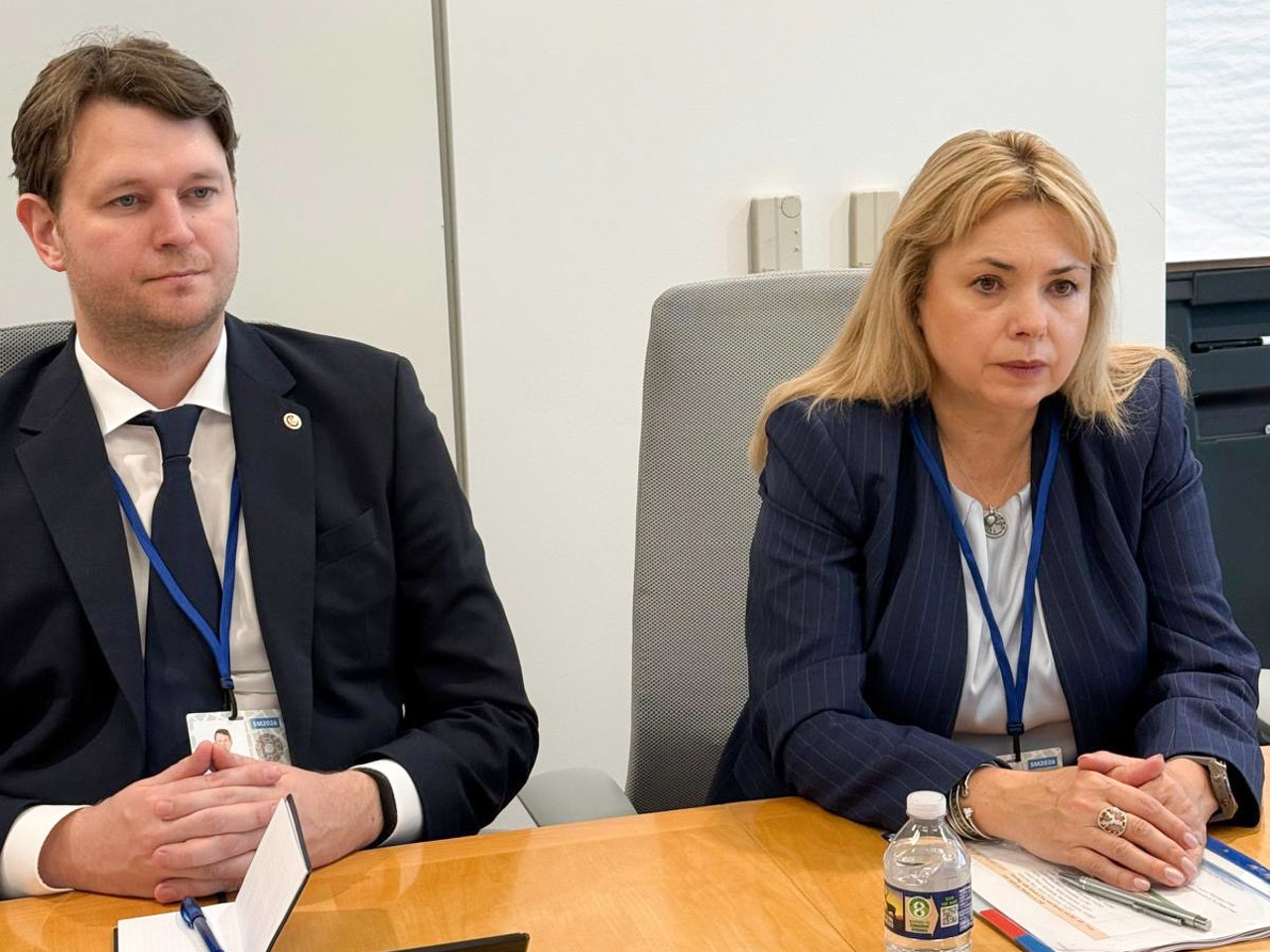
An official delegation from the Republic of Moldova, led by Anca Dragu, the Governor of the National Bank of Moldova, and Andrian Gavriliță, the Minister of Finance, is participating in the Spring Meetings of the World Bank and the International Monetary Fund from April 13 to 18.
This event in Washington is one of the most significant global forums, bringing together central bank governors, finance ministers, private sector leaders, and representatives from civil society to discuss the state of the global economy.
The agenda will also include meetings with senior officials from the IMF. Among those participating are Kenji Okamura, the Deputy Managing Director of the IMF; Alfred Kammer, the Director of the IMF’s European Department; and Jeroen Clicq, the Executive Director for the Republic of Moldova at the IMF.