EP Vice-President: EU accession talks for Moldova and Ukraine must be merit-based
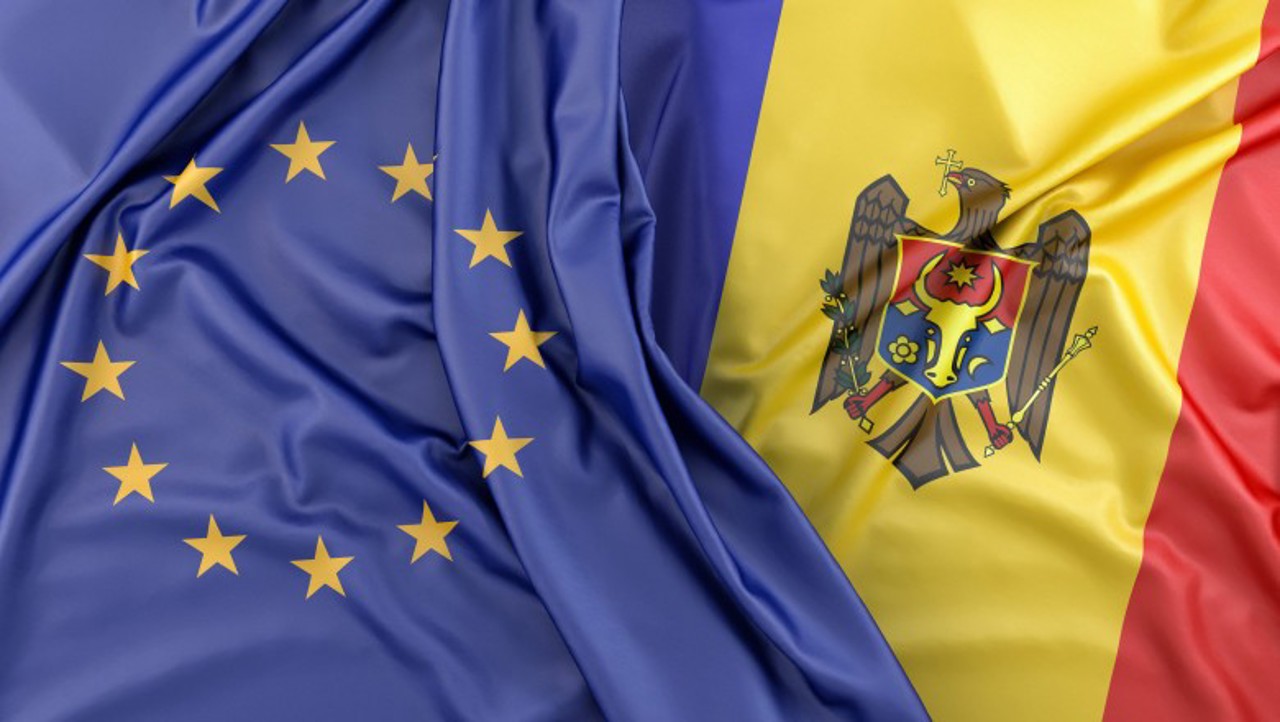
The political changes in Hungary have eliminated a barrier and created a favorable opportunity for the European Council to reach a unanimous decision on opening cluster accession negotiations with our country, states Victor Negrescu, the Vice-President of the European Parliament for relations with the Republic of Moldova. Such a decision would provide momentum for reforms in Chisinau and help maintain a realistic accession timeline, with negotiations expected to conclude by 2028 and accession by 2030, assuming that the pace of reforms continues, Negrescu mentioned in an interview with Radio Moldova.
In conjunction with internal reforms, the accession process also relies on political decisions at the European level, according to the Vice-President of the European Parliament. He noted that political changes in Hungary could remove one of the existing blockages.
"We had an anti-European government there with pro-Russian affinities. As a result, this blockage disappears, eliminating a barrier to political decisions. It is crucial to take advantage of this moment with a clear decision from the European Council, as we need unanimity," said Victor Negrescu on Radio Moldova. He called on the President of the European Council, António Costa, to make a definitive decision to open cluster negotiations with the Republic of Moldova.
Negrescu clarified that such a decision could be made either by the European Council or by the ambassadors of the member states. He believes that beginning political negotiations would provide additional momentum for the reforms already implemented in the Republic of Moldova.
At the same time, the MEP highlighted that while the prospects seem positive, there are still political obstacles, including differing views among some European leaders and discussions regarding aligning the Republic of Moldova's path with that of Ukraine.
However, he is confident that these challenges can be overcome with a decision based on the merits of each state.
"I hope that the President of the European Council can achieve a consensus. Unfortunately, there are still European leaders with pro-Russian affinities. Additionally, there are voices at the European level advocating for Ukraine and the Republic of Moldova to remain closely linked. Although there may be some reluctance, I believe these concerns can be addressed through a clear decision that considers the merits of each state. In this regard, there are positive indicators to resolve these uncertainties, as the Republic of Moldova must progress and can do so by initiating political negotiations on relevant issues," Negrescu stated.
Regarding the accession timeline, the authorities' estimates in Chișinău—completion of negotiations by 2028 and accession by 2030—remain realistic, provided that the pace of reforms is sustained and progress is effectively communicated to citizens.
"Changes happen every day"
The Republic of Moldova is actively aligning its legislation and institutions with EU standards, and these changes begin to impact citizens and the business community, according to the authorities.
The Ministry of Finance oversees eight of the 33 chapters of the EU acquis, which are crucial areas such as the free movement of capital, public procurement, financial services, financial control, and the customs and tax systems, as well as the European Union's financial and budgetary provisions.
"The progress is remarkable. In the past year, several reforms have been launched and implemented, and numerous normative acts are being aligned with European standards," stated Lidia Ababii, the Deputy Secretary General of the Ministry of Finance, in an interview with Radio Moldova.
She emphasized that the legislative adjustment process is moving forward, and the authorities aim to involve the public in consultations to enhance the transparency and effectiveness of decision-making. Regarding the complexity of negotiations, Ababii pointed out the significance of Chapter 33, which focuses on strengthening the country's ability to access European funds.
"I would like to highlight Chapter 33 - Financial and Budgetary Provisions, because this involves preparing the state for the accession process and ensuring it can contribute to the EU budget. This is not only about making contributions, but also about leveraging the benefits provided by European funds," she explained.
Compared to regional countries like Montenegro, Moldova is experiencing a "special leap" in implementing reforms, as reflected in the recent EU enlargement reports. Officials in Chisinau believe that the country is well-prepared and that reforms are being continuously implemented.
"Changes happen every day. At each stage, we are making concrete contributions to improving the lives of citizens," Lidia Ababii said.
According to her, the effects are already noticeable: a more transparent and competitive public procurement system, modernized customs legislation, and a fairer fiscal system, all of which contribute to economic growth and alignment with European standards.
The Republic of Moldova and the European Union began technical negotiations on March 17 for the last three groups of accession chapters: Competitiveness and Inclusive Growth, the Green Agenda and Connectivity, and Resources, Agriculture, and Cohesion.
Currently, technical negotiations encompass all six groups and all 33 chapters of the acquis communautaire.