Moldova must pivot to AI and innovation to unlock €1.9 billion EU growth plan
Moldova stands at a critical economic crossroads. Despite access to a landmark €1.9 billion (approx. 37 billion MDL) EU financial support package, experts warn that the national economy remains fragile and overly reliant on external shocks.

According to a study by Mihaela Sirițanu, an economic expert at the WatchDog.MD community, growth remains modest. Projections for the current year sit at 2.3%, signaling a fragile stabilization rather than a robust recovery.
The reform gap
While roughly 40% of the EU funds—including a recent installment in March 2025—have already been disbursed, reporting on their impact remains minimal. The ambitious development plan aims to mobilize €4 billion in total, targeting the creation of 5,000 new firms and doubling average wages.
"We are seeing significant inflows, with €600 million arriving recently," Sirițanu stated during a Radio Moldova broadcast. However, she cautioned that EU integration requires systemic economic transformation, not just cosmetic legislative changes.
Structural vulnerabilities
The Moldovan economy is currently driven by services and consumption, which account for 60% of the GDP. These sectors, particularly local hospitality and small-scale trade, offer low profit margins and lack export potential, limiting long-term growth.
Economic expert Marin Gospodarenco highlighted a worrying "brain drain" trend. The mass exodus of the workforce has created a domestic labor shortage, forcing the country to import workers while losing its most competitive human capital.
Strategic priorities
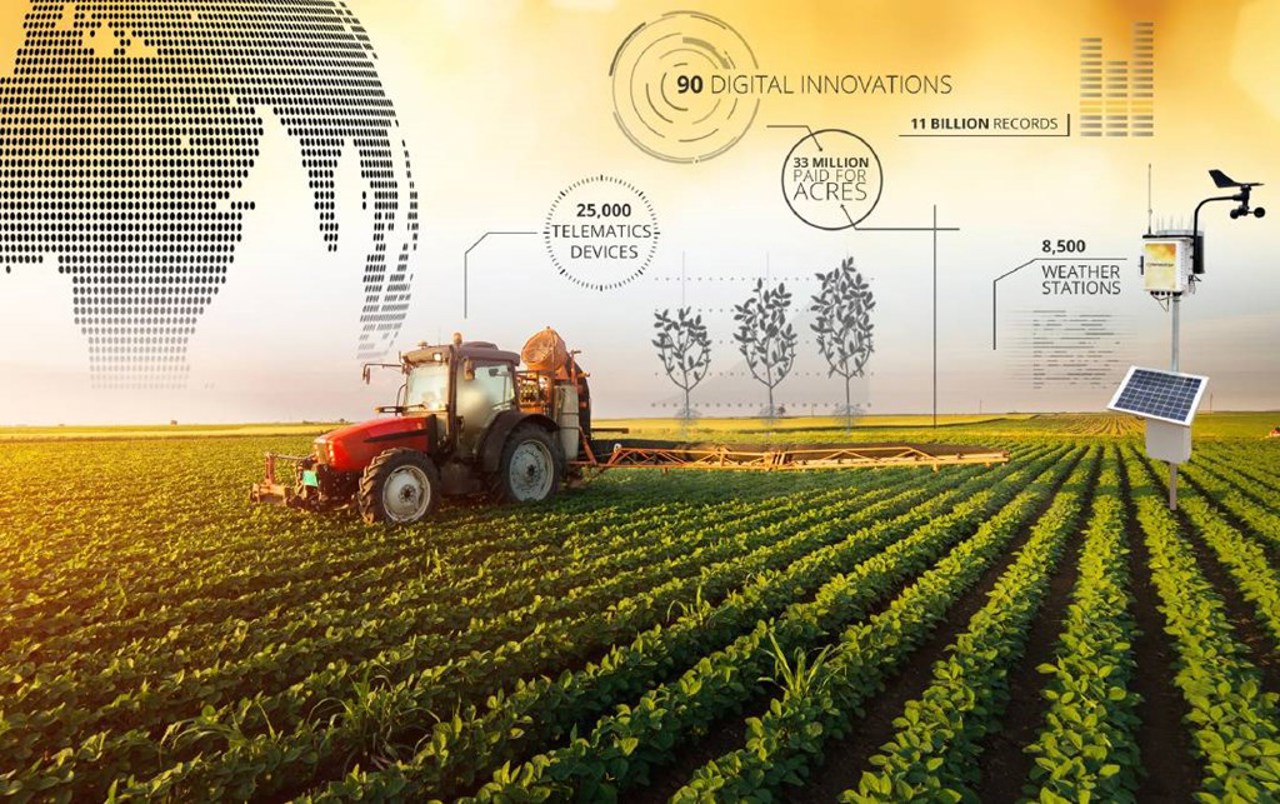
To reverse this trend, analysts suggest a radical shift toward high-potential sectors. Innovation in agriculture, IT, and Artificial Intelligence (AI) are cited as the primary engines for future competitiveness.
"AI is our chance for a leapfrog recovery," Gospodarenco noted. He emphasized that education must focus on AI integration beyond simple tools like ChatGPT to ensure the next generation can compete globally.
Historical volatility
The urgency for reform is underscored by a volatile decade. After a 13.9% rebound in 2021, the economy contracted by 5.9% in 2022 due to the energy crisis and the war in Ukraine.
By 2025, the GDP reached €18.1 billion (353 billion MDL) with a 2.4% growth rate. However, the World Bank recently downgraded the 2026 growth forecast to 1.9%, citing heightened external risks and slow structural convergence with European standards.
Translation by Iurie Tataru