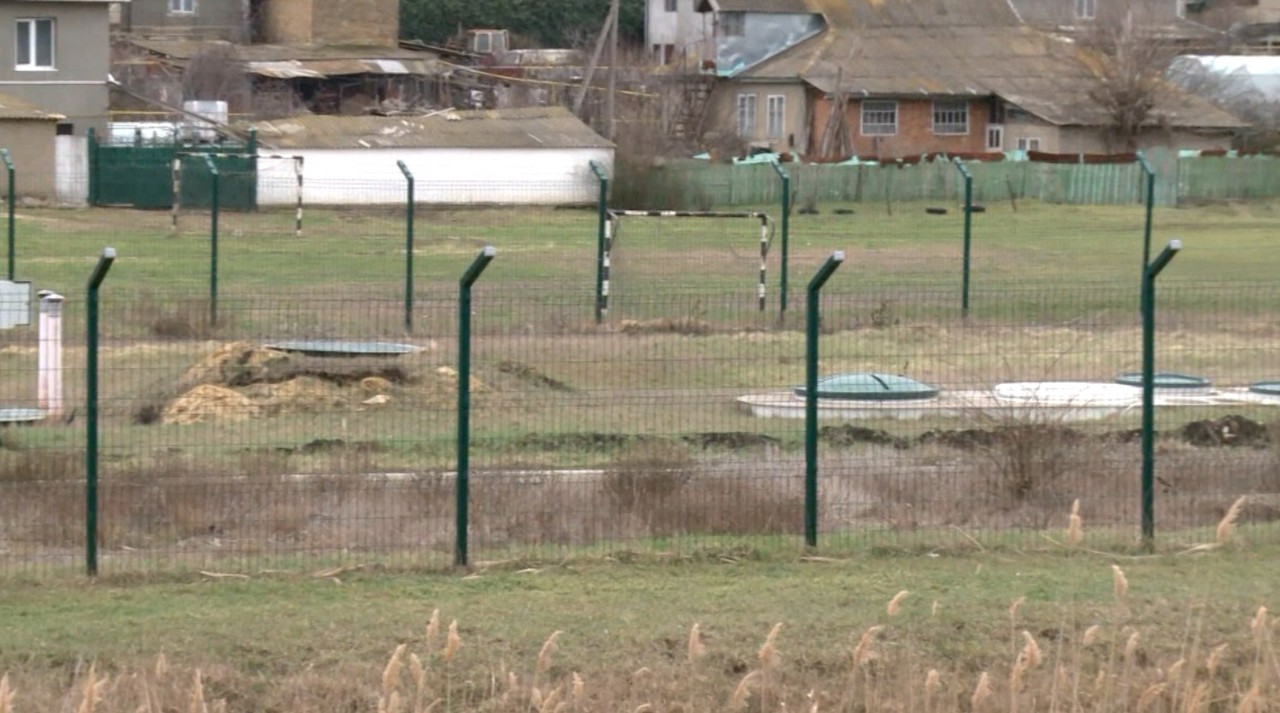
Moldovan village wastewater plant remains idle six years after €153,000 investment
A wastewater treatment plant in Cioburciu, Ștefan Vodă, remains non-functional six years after its scheduled completion. Despite an investment of approximately €153,000 (3M MDL), legal disputes between contractors have left the facility dormant since experimental trials in 2020.
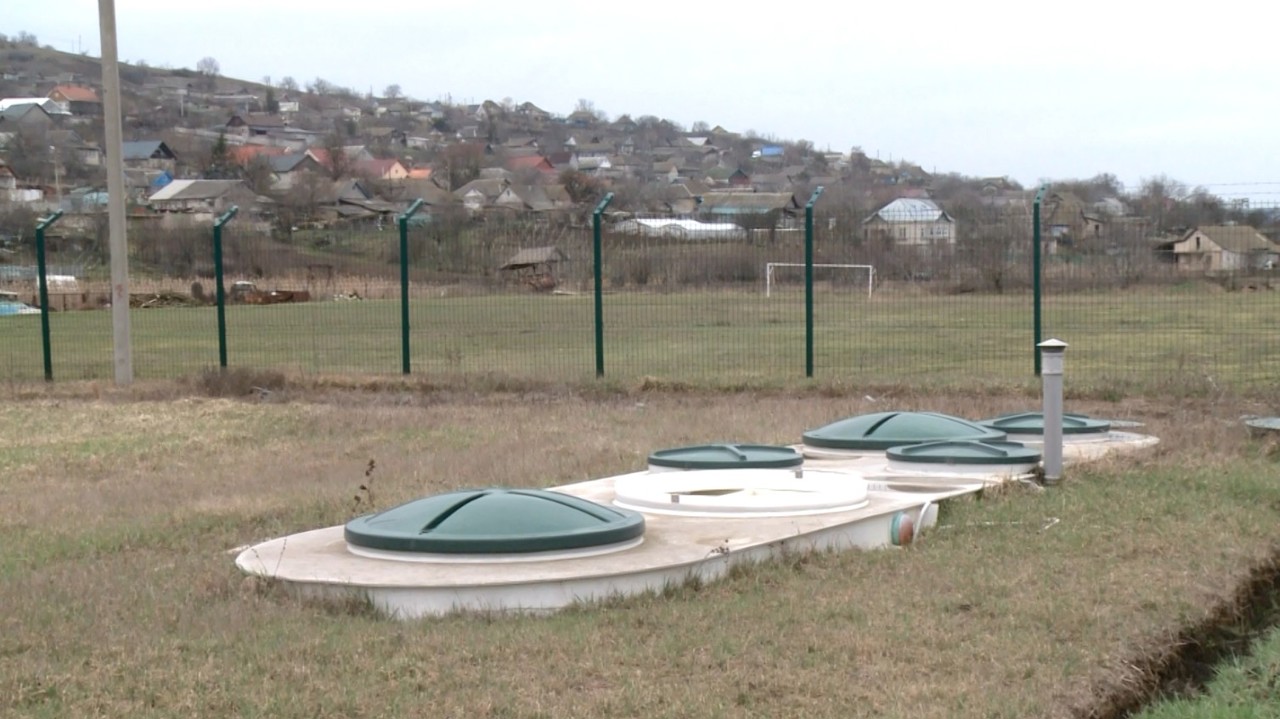
The delay directly impacts the local community, forcing residents and public institutions to rely on rudimentary sanitation. The Mihai Sîrghi Gymnasium, which serves 200 students, continues to use outdoor cesspits despite the modern plant sitting idle nearby.
Institutional gridlock and expired warranties
While the equipment was installed and tested four years ago, it has since begun to deteriorate without ever entering service. Furthermore, the manufacturer's warranty has expired, leaving the local administration with a depreciating asset that requires new investments before it can be restarted.
The project’s failure is rooted in a protracted legal battle between the primary contractor and subcontractors. Victor Stanchevici, representing the equipment provider, cited missing documentation for "hidden works" and unresolved financial disputes as the primary reasons for the current stalemate.
A legacy of mismanagement
Current Mayor Leonid Nicolau expressed skepticism regarding the plant's future, describing the project as "public capital buried in the ground." He suggested that decentralized, household-level solutions might have been more cost-effective than the now-stalled centralized system.
The Cioburciu case is not an isolated incident. The National Ecological Fund, which financed the project, was overhauled in 2022 following a Court of Accounts report highlighting systemic irregularities and the widespread waste of environmental grants across Moldova.
Translation by Iurie Tataru