EU-funded restoration to revive Bernardazzi’s Hunting Castle by 2028
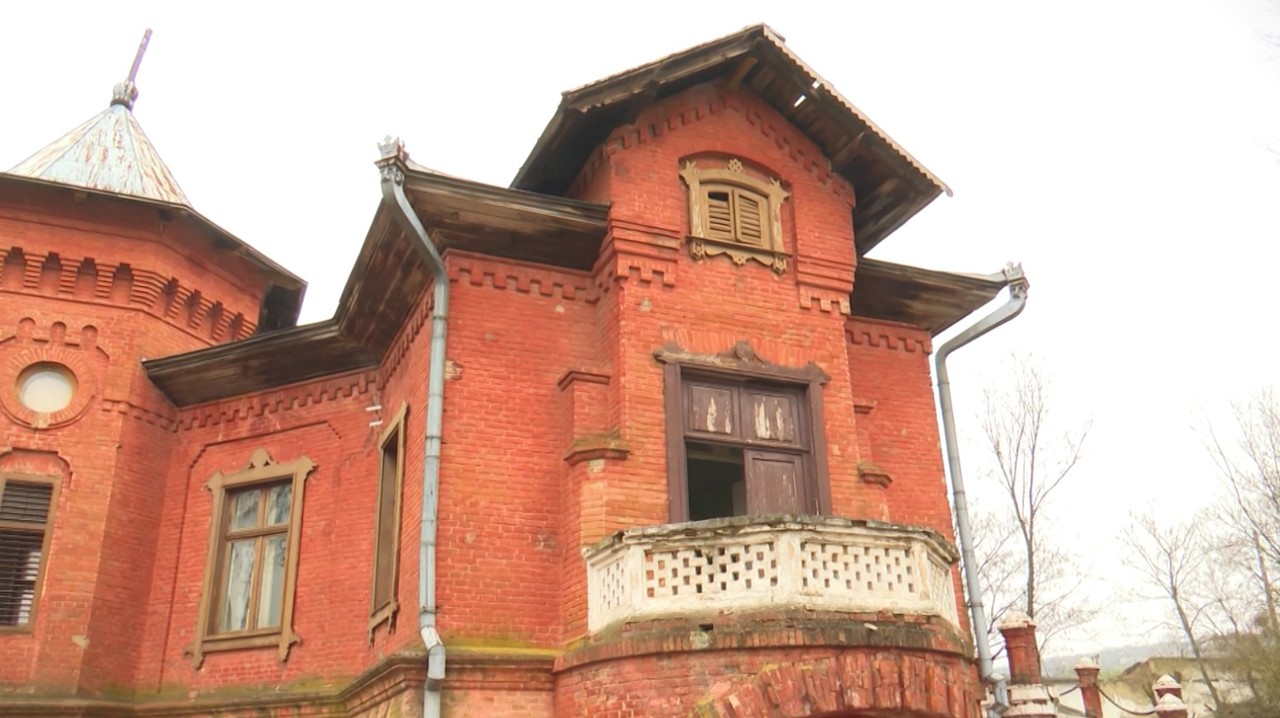
The historic Hunting Castle within the Manuc Bey Estate in Hâncești is set to reclaim its former architectural splendor. Following a closure in 2019 due to structural degradation, a comprehensive restoration project is now underway, with completion scheduled for 2028.
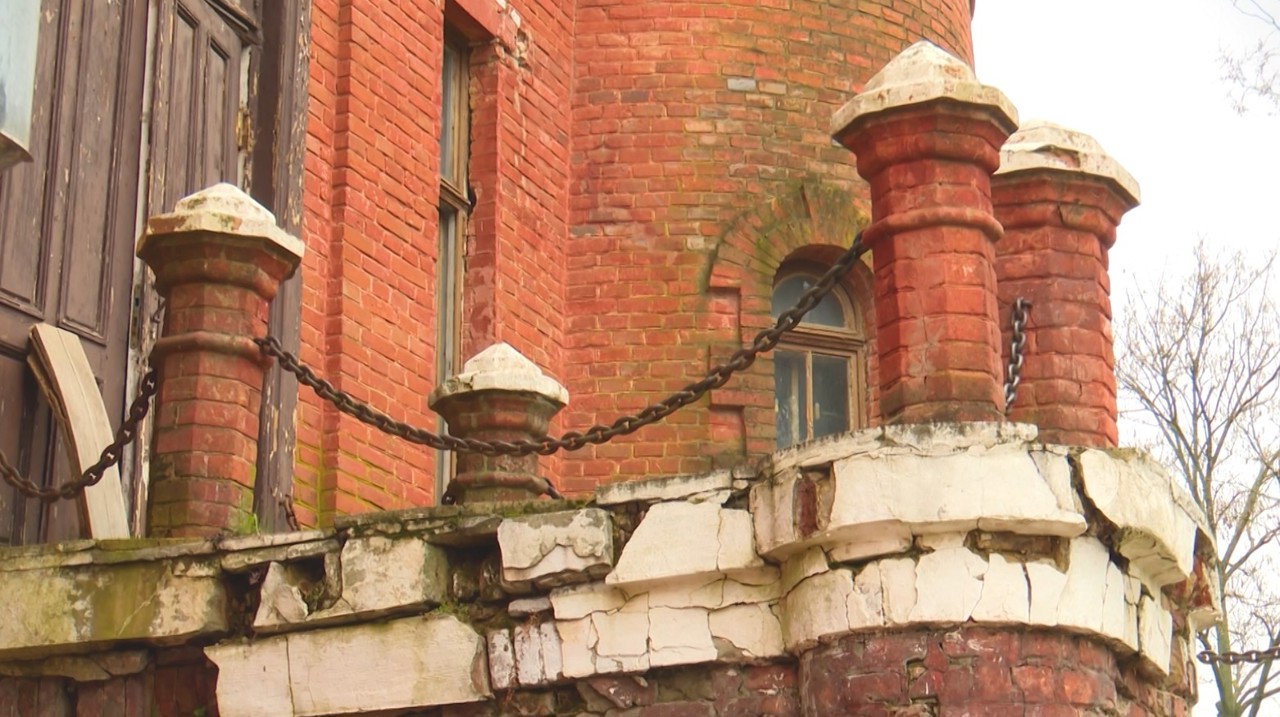
Designed by the renowned architect Alexandru Bernardazzi, the edifice was commissioned in 1882 by Ion Murad, the son of the prominent Armenian-Ottoman diplomat Manuc Bey. The castle originally housed a vast collection of weapons and hunting trophies, serving as a prestigious guest house for the Mirzaian family until 1940.
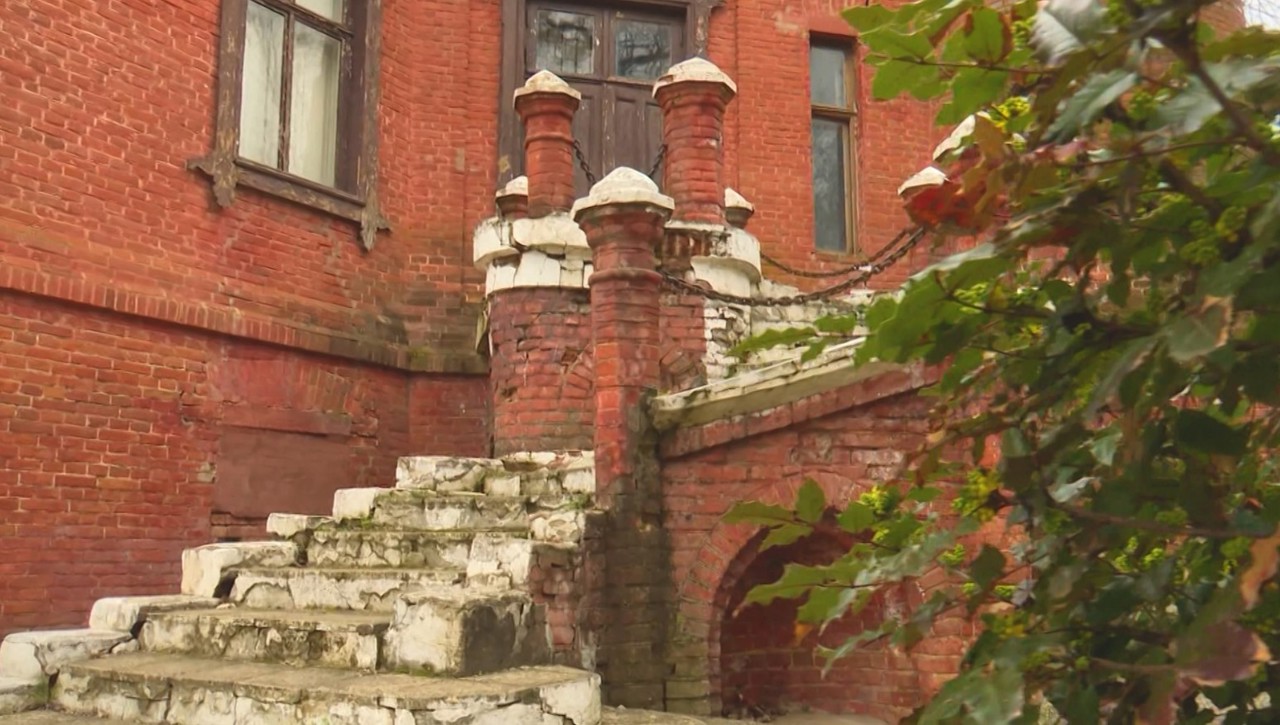
The structure is celebrated for its architectural resilience, built from red brick manufactured directly on the estate. Local officials emphasize that the castle has maintained its original form for over a century, featuring robust masonry and design elements that have historically attracted high-profile visitors, including Alexander Pushkin.
Stelivia Dîru, a senior specialist at the Hâncești City Hall, describes the building as a unique architectural tribute dedicated by Ion Murad to his father's passion for hunting. After serving as a museum from 1975 to 2019, the site was closed to the public to prevent further decay.
The restoration, managed by the Hâncești District Council, is supported by a multimillion-lei investment (approx. €102,000 for every 2 million MDL) sourced from European Union funding. The project focuses on "absolute authenticity," involving the careful cleaning or identical replacement of every original stone and brick.
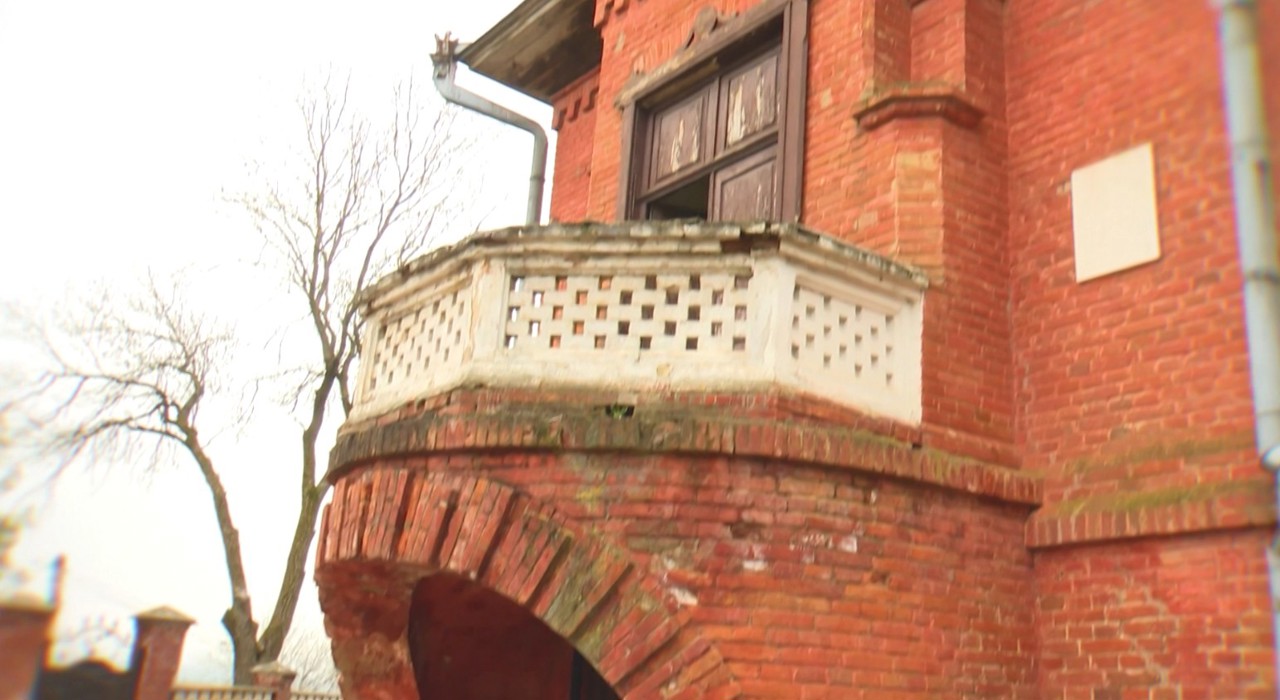
According to Anatolie Sajin, Director of the Manuc Bey Complex, the final version will include rediscovered historical features. "Architectural evidence has revealed the existence of an original balcony that had been lost over time," Sajin stated, confirming that the castle will be restored to its exact 19th-century likeness.
Translation by Iurie Tataru