Roaming in the EU: higher costs on planes and ships—what travelers should know
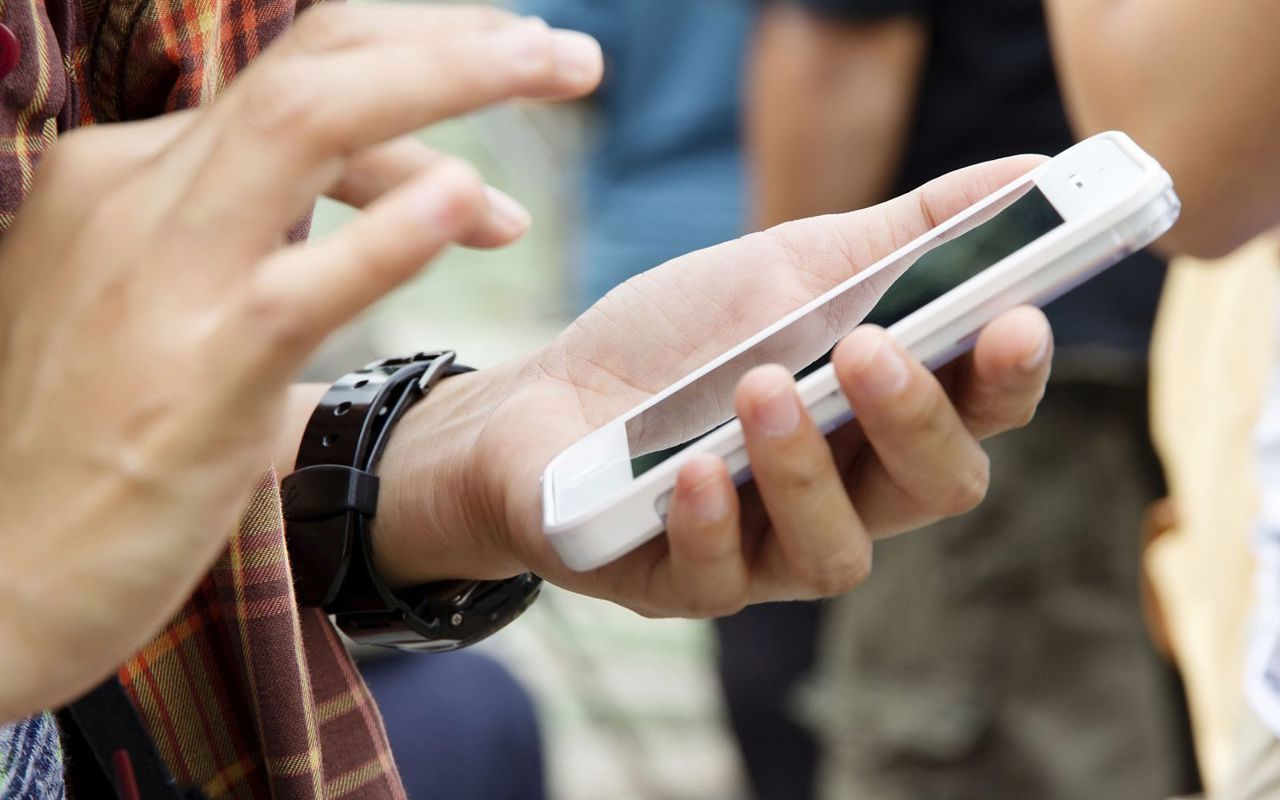
Starting January 1, 2026, every Moldovan citizen will be able to travel to any European Union (EU) country and use mobile internet services and make phone calls without any additional costs. These benefits not only allow us to stay connected at all times but also require us to adhere to a set of rules.
The European Consumer Center of the Republic of Moldova, in partnership with the National Agency for Communications Regulation of the Republic of Moldova, has launched a campaign titled "Roaming Like at Home - Travel Informed, Communicate Without Worries." The aim of this campaign is to inform citizens about their new rights and the specific conditions for applying the "Roaming Like at Home" (RLAH) regime, helping users avoid unexpected costs while traveling.
In which countries does "Roaming Like at Home" apply?
The "Roaming Like at Home" (RLAH) service allows users to remain connected while temporarily traveling in EU member states, using the services included in their national tariff plan.
The countries where this regime is applicable include: Austria, Belgium, Bulgaria, Czech Republic, Cyprus, Croatia, Denmark, Estonia, Finland (including the Åland Islands), France (including French Guiana and the islands of Guadeloupe, Martinique, Mayotte, Reunion, and Saint-Martin), Germany, Greece, Ireland, Italy, Latvia, Lithuania, Luxembourg, Malta, the Netherlands, Poland, Portugal (including the Azores and Madeira), Romania, Slovakia, Slovenia, Spain (including the Canary Islands), Sweden, and Hungary.
However, the RLAH regime does not apply in the United Kingdom, Ukraine, Turkey, or the United States of America. In these locations, the provider's roaming tariffs will apply.
Who can benefit from this service?
The RLAH regime is available to users with a subscription or PrePay card who have their usual residence in the Republic of Moldova. This service is intended for occasional travel and cannot be used for permanent roaming or extended use of a Moldovan SIM card within the EU.
How much traffic and how many minutes can you use in the EU?
Users benefit from the same volume of minutes, SMS, and mobile data included in their national tariff plan. Calls made and SMS sent while roaming—regardless of whether they are to numbers in Moldova or other EU countries—are deducted from the national minutes at no additional cost. Moreover, receiving calls and SMS while roaming is free of charge.
Once the services included in the subscription or PrePay plan are exhausted, users will be charged according to the extra-subscription rates for national services.
When is abuse considered?
An operator may identify abuse of the Roam Like at Home (RLAH) mechanism in the following situations:
The user spends more time roaming than using the national network over the past four consecutive months or has multiple SIM cards that they alternate for roaming purposes.
The SIM card is primarily or exclusively activated for roaming after long periods of inactivity.
In cases of abuse, the provider may apply additional surcharges after informing the user beforehand. These surcharges are capped and cannot exceed the maximum regulated amounts. The specific limits on these surcharges are set by regulations and must be adhered to by the provider.
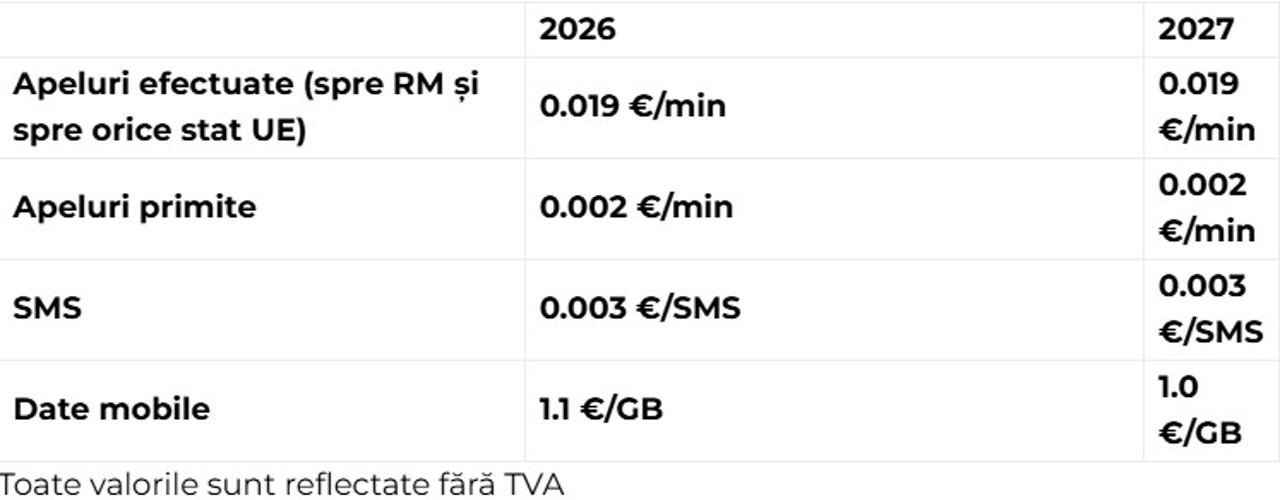
Roaming does not work on ships or planes
The "Roam Like At Home" (RLAH) regime only applies when your phone is connected to a land-based mobile network in the EU.
When connecting to networks on board ships or aircraft, even if they are operating within EU territory, separate roaming charges apply, which can be significantly higher.
How to complain about a roaming issue
If you are dissatisfied with how the RLAH regime is applied, you should first contact your service provider. If the issue is not resolved, you can reach out to the European Consumer Centre of the Republic of Moldova, which offers free support for amicably resolving disputes, especially in cases that cross national borders.
The roaming services at national rates are not intended for abusive use of communication facilities within the EU; rather, they provide an opportunity to enjoy quality mobile services while travelling abroad without incurring additional costs.
We remind you that starting January 1, 2026, based on a decision adopted by the Council of the European Union on July 25, 2025, citizens of the Republic of Moldova traveling to EU member states, as well as EU citizens traveling to Moldova, will be able to make and receive calls, send and receive messages, and use mobile internet without paying higher prices than their national rates.
Author: Liubomir Guțu