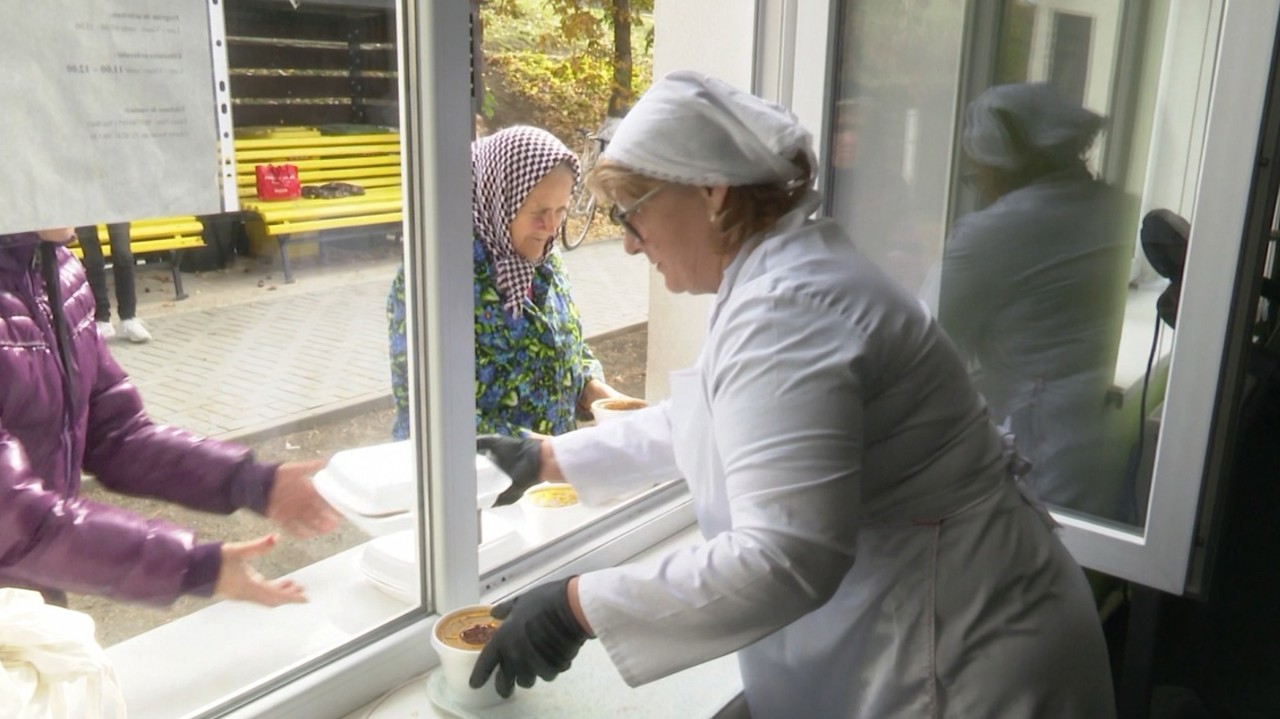
Protection network for victims of gender-based violence to be expanded in the Republic of Moldova, Natalia Plugaru.
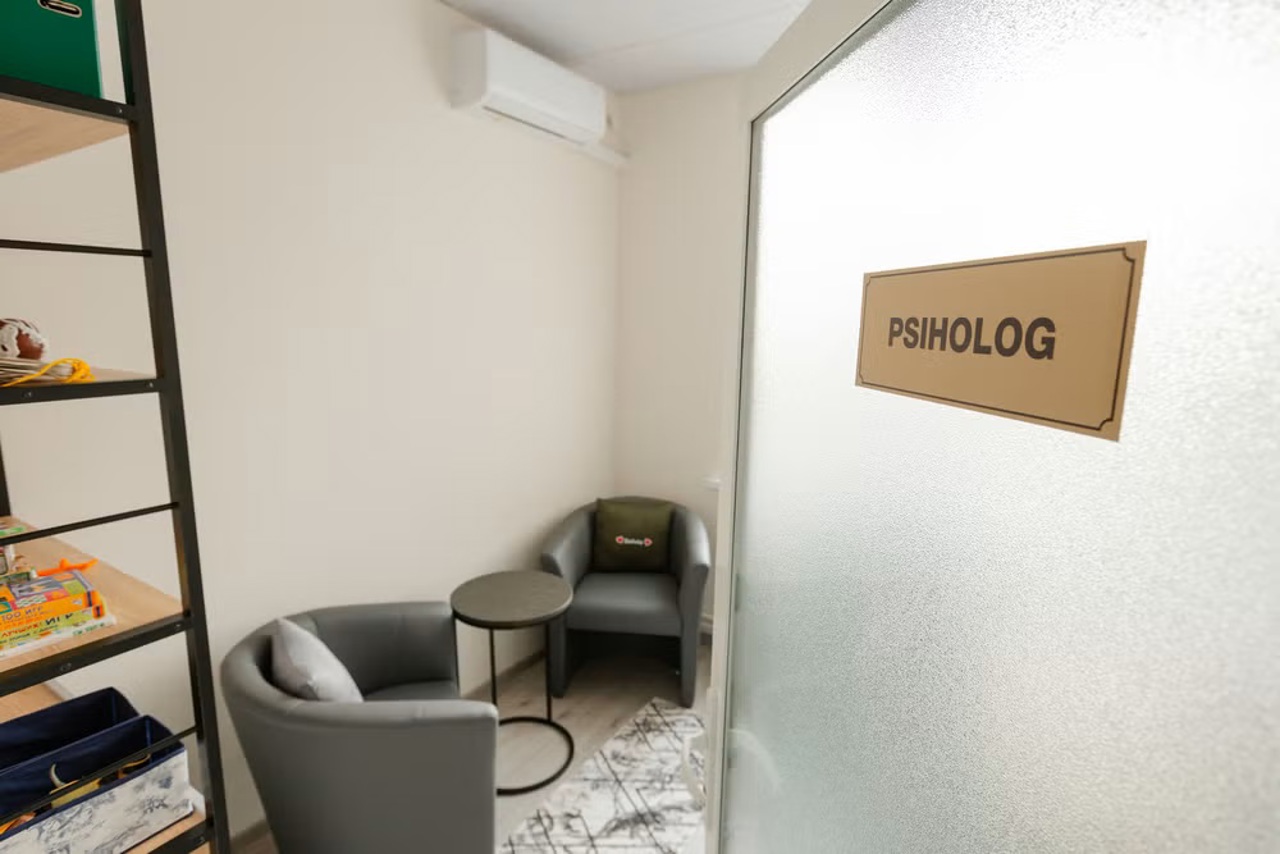
The government is intensifying its efforts to prevent gender-based violence by prioritizing digital security. The Ministry of Labor and Social Protection announces the opening of two new shelters in Telenești and Cahul, which will provide specialized assistance to women and girls facing physical or online harassment.
The government has begun to focus more on cases of digital violence, implementing mechanisms that allow victims to report such incidents. This was stated by Minister of Labor and Social Protection, Natalia Plugaru, during the presentation of the first sociological study titled "Digital Violence against Women in the Republic of Moldova," organized on April 27 by the International Center "La Strada" and the UN Population Fund.
"We have incorporated questions related to digital violence and its impact on victims into our case management process. When social workers conduct initial and complex risk assessments, they will now address these issues. This helps us better prepare to adjust our policies and respond to these challenges," Natalia Plugaru explained.
Another goal of the ministry is to transform shelters for victims of violence into day centers that provide a variety of services.
"Currently, we have 11 shelters for girls and women across the country, and we plan to expand them to two locations: Telenești and Cahul. Our aim is to turn these shelters into day centers. There are situations where women may not require overnight accommodation, but seek counseling, information on how to prevent violence, or guidance on how to exit the cycle of abuse," Plugaru added.
According to the official, the ministry's priority remains removing the aggressor from the family, with shelters serving as places where victims can access psychological and legal support.
The number of reported domestic violence cases in the Republic of Moldova is on the rise. In 2025, the police documented over 20,000 reports of family conflicts. Additionally, around 6,000 emergency restraining orders were issued, which prohibit aggressors from approaching or contacting victims.
Last year, there were 13 fatalities attributed to domestic violence, and another four cases of suicide were allegedly linked to such abuse.