Russians turn to occult amid war
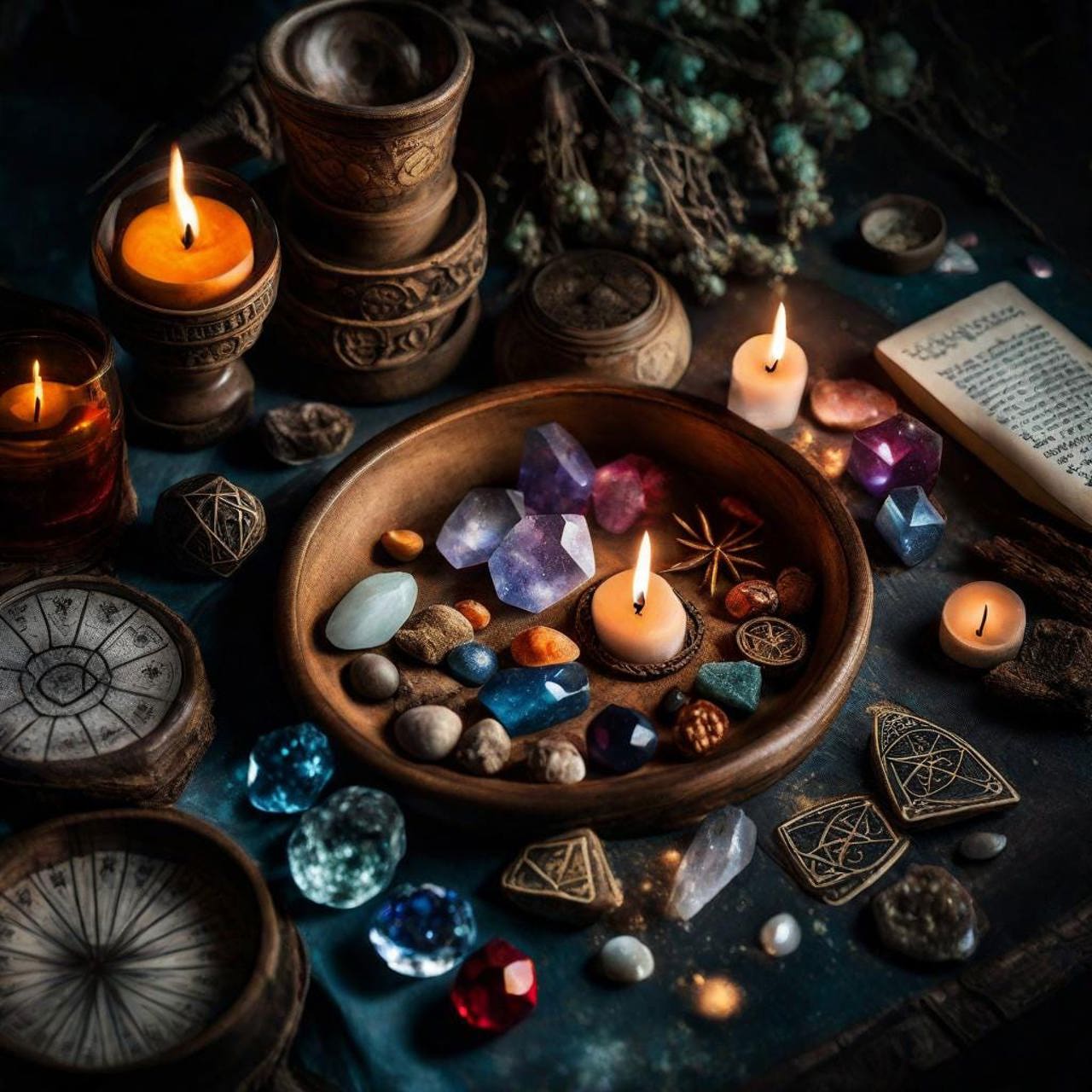
The demand for fortune tellers, tarot readers, and astrologers is surging in Russia. Experts say citizens are turning to mystical rituals to find comfort amid the ongoing war and widespread instability.
Magic on the front lines
In her Moscow apartment, self-proclaimed hereditary witch Natalia Malinovskaya reports an influx of military clients fighting in Ukraine. However, she refuses to perform remote rituals for deployed soldiers, citing the impossibility of safely lighting candles in combat zones.
Malinovskaya notes that soldiers are primarily concerned about the fidelity of their partners back home. Her universal advice to these clients is practical: if a partner is unfaithful while they are at war, they should simply forget about her.
A booming retail market
Occult shops in central Moscow are capitalizing on the trend, selling crystals, tarot guides, and esoteric items. Co-owner Yulia Gusanova actively recommends natural stones and reflective protective talismans to her steady stream of customers.
State pollster VTsIOM reports that 85% of Russians have engaged in magical practices, including reading horoscopes or wearing talismans. Meanwhile, retail data company ATOL found that demand for traditional aspen stakes more than doubled last year.
Store owners note the sudden popularity of unexpected items. Co-owner Vladislav Shaut expressed surprise at the new, high demand for shamanic drums, an item his store had never previously stocked.
Escapism and church opposition
The mystical trend has also infiltrated Moscow's nightlife. Bar owner Evgenia Chassagnard introduced tarot readings at her venue, calling it a perfect marketing strategy for a public desperate for distraction.
The Russian Orthodox Church vehemently opposes this shift. Patriarch Kirill condemned the psychological influence of psychics, while church spokesman Vakhtang Kipshidze dismissed them as commercial competitors, stating the Church does not provide consumer services.
Political scientist Natalia Shavshukova compares the current climate to the intense uncertainty of the late 1980s and early 1990s. She notes that people seek predictability in the occult when official information fails to provide clear answers.
A multi-billion industry
Forbes reports the Russian esoteric market grows by 20% annually, reaching 2 trillion rubles last year. This equates to roughly €20 billion.
Despite concerns over this massive industry, Russian lawmakers have struggled to regulate it. The State Duma has introduced a bill to ban occult advertising three times, but it has failed to pass due to vague legal phrasing.
Translation by Iurie Tataru