UAE exits OPEC in major oil market shift
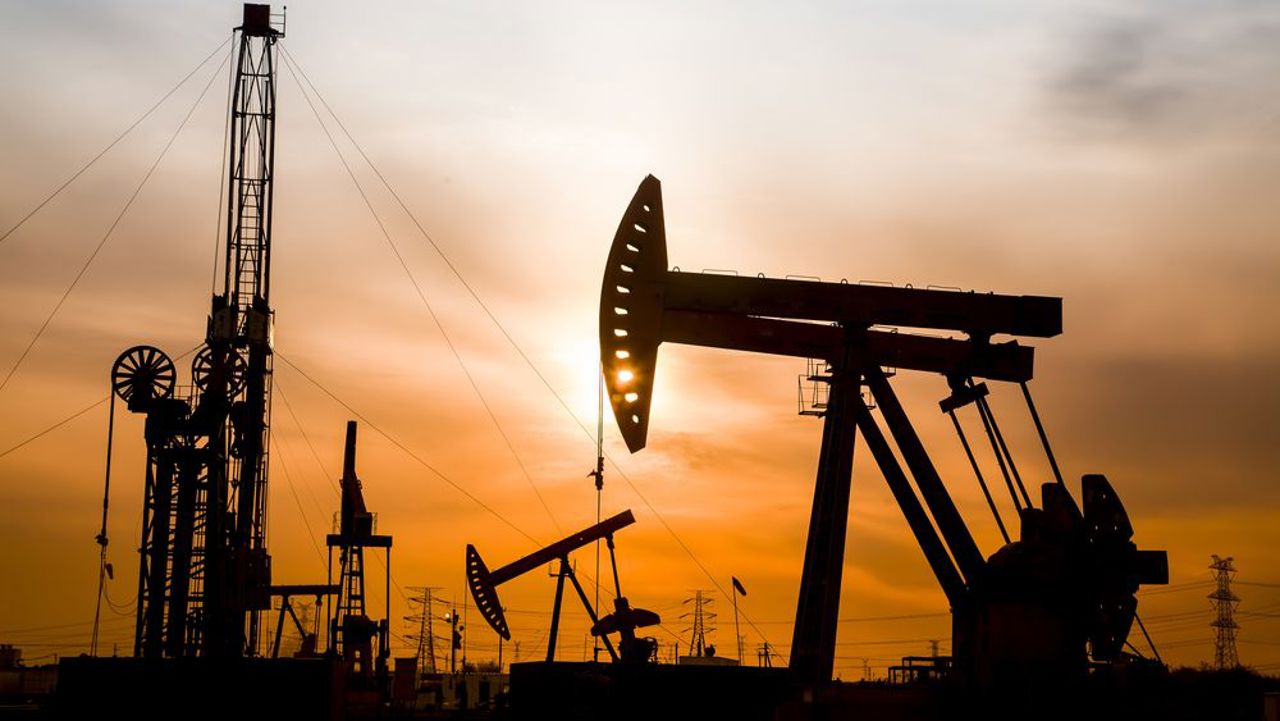
The United Arab Emirates, one of the world's largest oil producers, is exiting the Organization of the Petroleum Exporting Countries (OPEC) and the broader OPEC+ cartel. The expanded alliance includes over 20 nations, notably Russia.
State media announced the unexpected decision on Tuesday, ending a six-decade membership. Bloomberg and Energy Minister Suhail Al-Mazrouei later confirmed the move, according to a report by The Moscow Times.
Strategic market timing
“The UAE deemed this the right time to review this political decision,” Al-Mazrouei stated.
He noted that the step comes at a favorable moment. The minister emphasized it avoids major market disruptions due to existing constraints in the strait.
Production quota frustrations
The UAE has long expressed dissatisfaction with membership rules forcing it to limit oil extraction. Late 2010s production plans aimed to increase the country's capacity to 5 million barrels per day (bpd).
Earlier this year, the UAE produced just 3.5 million bpd. By 2024, the nation was forced to cut extraction to 2.9 million bpd to comply with strict OPEC+ quotas.
Cartel loses market control
The departure of the UAE will significantly weaken both OPEC and OPEC+, according to Rystad Energy analyst Jorge Leon.
“The power of OPEC and OPEC+ has always depended on the willingness of member states to limit production volumes,” Leon explained. “Losing a participant with a capacity of 4.8 million bpd and the desire to increase output strips the group of a real control tool.”
Other nations may follow suit. Dmitri Kasatkin, managing partner at Kasatkin Consulting, suggests Iraq and Kazakhstan could be the next candidates to exit, driven by their own desires to boost production. Iran and Venezuela, which maintain tense relations with Saudi Arabia, could also reconsider their membership.
Translation by Iurie Tataru