Labor market in the Republic of Moldova: 270,000 people aged 25–45 are not employed
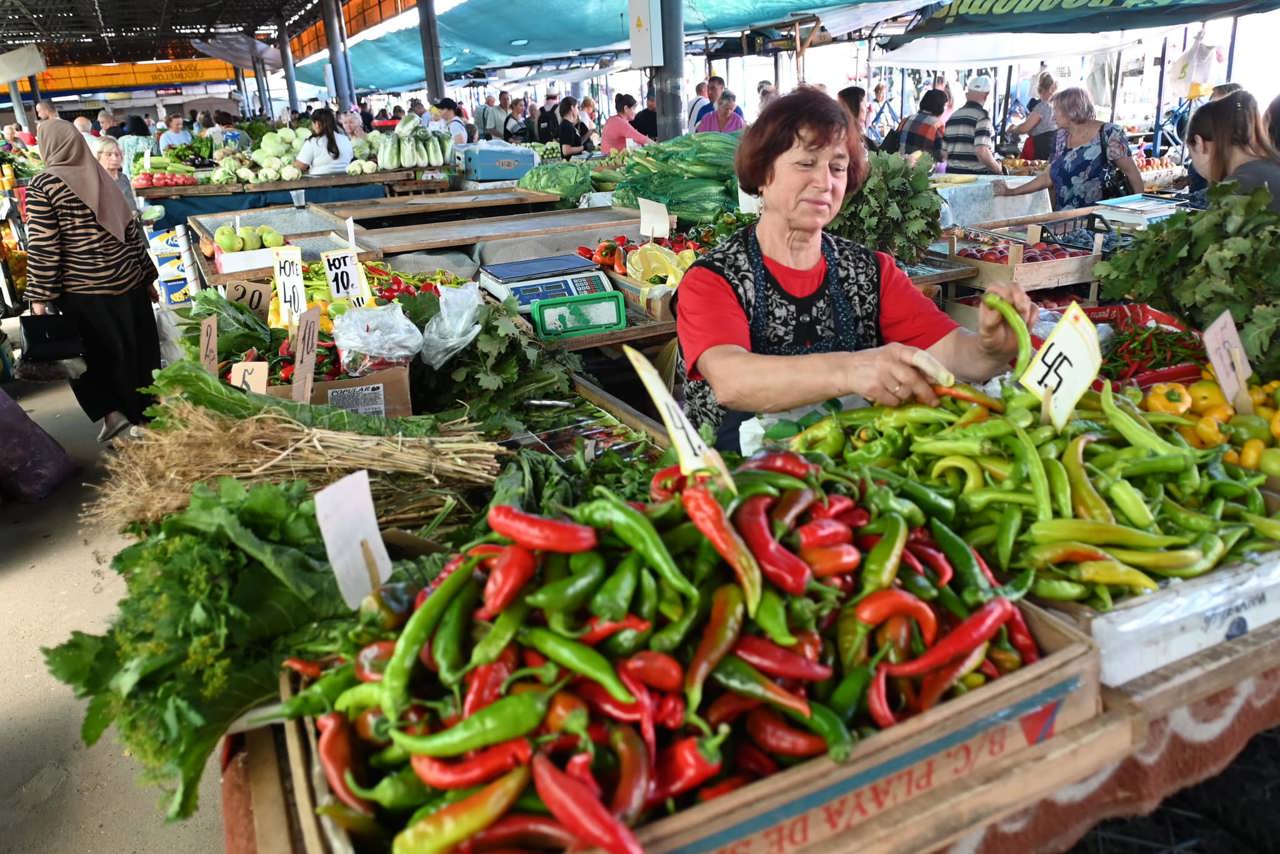
The Republic of Moldova is experiencing notable imbalances in its labor market, characterized by high rates of inactivity, migration, and rapid economic changes. To address these issues, participants at the National Labor Market and Social Dialogue Forum, held on April 30 in Chisinau, emphasized the importance of digitalization and reducing the informal economy.
In the Republic of Moldova, with a population of approximately 2.4 million, around one million people over the age of 15 are classified as inactive. Among the 25-45 age group, there are approximately 270,000 inactive individuals, as noted by the Minister of Labor and Social Protection, Natalia Plugaru, during a recent event.
Additionally, there are about 120,000 housewives who are outside the labor market, with an equal distribution between urban and rural areas. However, due to the implemented policies, the employment rate for women with children has increased by 10 percentage points, now reaching 50%.
A critical concern is the youth segment, where current policies are not yielding the expected outcomes.
"For the generation currently entering the labor market—most of whom are under 30—70% say that work-life balance is their top priority. When we examine emigration trends from the Republic of Moldova, young people are no longer leaving solely for higher salaries. Those with good salaries are already emigrating because they seek more from the labor market. They want better working conditions, meaning, values, and job security. If we fail to recognize this need... it doesn’t imply we lack solutions. We could consider importing labor; we could bring in workers willing to labor tirelessly, but this would lead us to lose our young people," declared Minister Natalia Plugaru.
Gray Economy - 30%
The Republic of Moldova has made progress in digitalization but must act swiftly to adapt to the transformations brought about by artificial intelligence and new economic models, stated Deputy Prime Minister Eugen Osmochescu, Minister of Economic Development and Digitalization.
"Another issue we are encountering is the gray economy. Currently, it accounts for about 30% of the economy, according to data from our partners. Even the European Union has introduced Omnibus packages for digitalization and debureaucratization—these packages introduce flexible rules for entering and exiting the market. I have consistently said that we should allow entrepreneurs the freedom to operate within the legal framework while ensuring that the state is more efficient in enforcing and implementing the law," said Deputy Prime Minister Osmochescu.
The Republic of Moldova is currently at a significant crossroads in its journey toward European integration, marked by tangible reforms in the labor market and the strengthening of institutions. This assertion comes from Cosmin Boiangiu, Executive Director of the European Labor Authority.
Boiangiu emphasizes that European integration extends beyond mere legislative alignment; it necessitates functional institutions, administrative capabilities, and consistent enforcement of rules. He highlights ongoing disparities in the labor market at the European level, where sectors such as construction, transport, health, and IT continue to experience a high labor shortage.
Meanwhile, certain areas are grappling with an oversupply of skills. This situation is largely due to structural factors like demographic shifts and technological changes. Additionally, Boiangiu underscores the importance of addressing undeclared work, which he considers not only an economic issue but also one that impacts equity and trust in institutions.
“The effectiveness of policies hinges on their implementation, and this is where effective cooperation and the development of institutional capacity become essential. Employment measures are only effective if there are institutions capable of enforcing them. The formalization of work is crucial for promoting equity and trust, and social dialogue remains a fundamental pillar of sustainable policies. In this context, tackling undeclared work is a central priority at both the European and national levels in the Republic of Moldova. This is not just an economic issue; it concerns equity, worker protection, and confidence in institutions,” stated Cosmin Boiangiu.
Urgent adjustments needed in education and demographics
Recent censuses reveal a 13.6% decrease in the total population and a 25.5% decrease in the working-age population, according to expert Stas Madan. He pointed out that around 60% of employed individuals work in administration, agriculture, trade, and the HoReCa (hotels, restaurants, and cafés) sector—areas characterized by low added value. This economic structure contributes to lower productivity and wages, as well as a significant informal economy.
“We need more proactive public policies to address this issue. We could revisit the 2022 draft law that proposed an automatic mechanism for subsidizing wage growth to provide companies with fixed salaries some relief in compliance. The reality is that proactive public policies are essential in this regard,” Madan emphasized.
If Moldova does not make swift adjustments in educational, demographic, and labor force integration policies, it risks facing growing labor market imbalances in the coming decades, warns demographer Valeriu Sainsus.
“We need to achieve a balance regarding reproduction, which means that in the medium and short term, we need to return to the fertility rate indicator of 2.2. Otherwise, we will struggle to change the demographic situation and realities in the country in the medium to long term,” the demographer said.
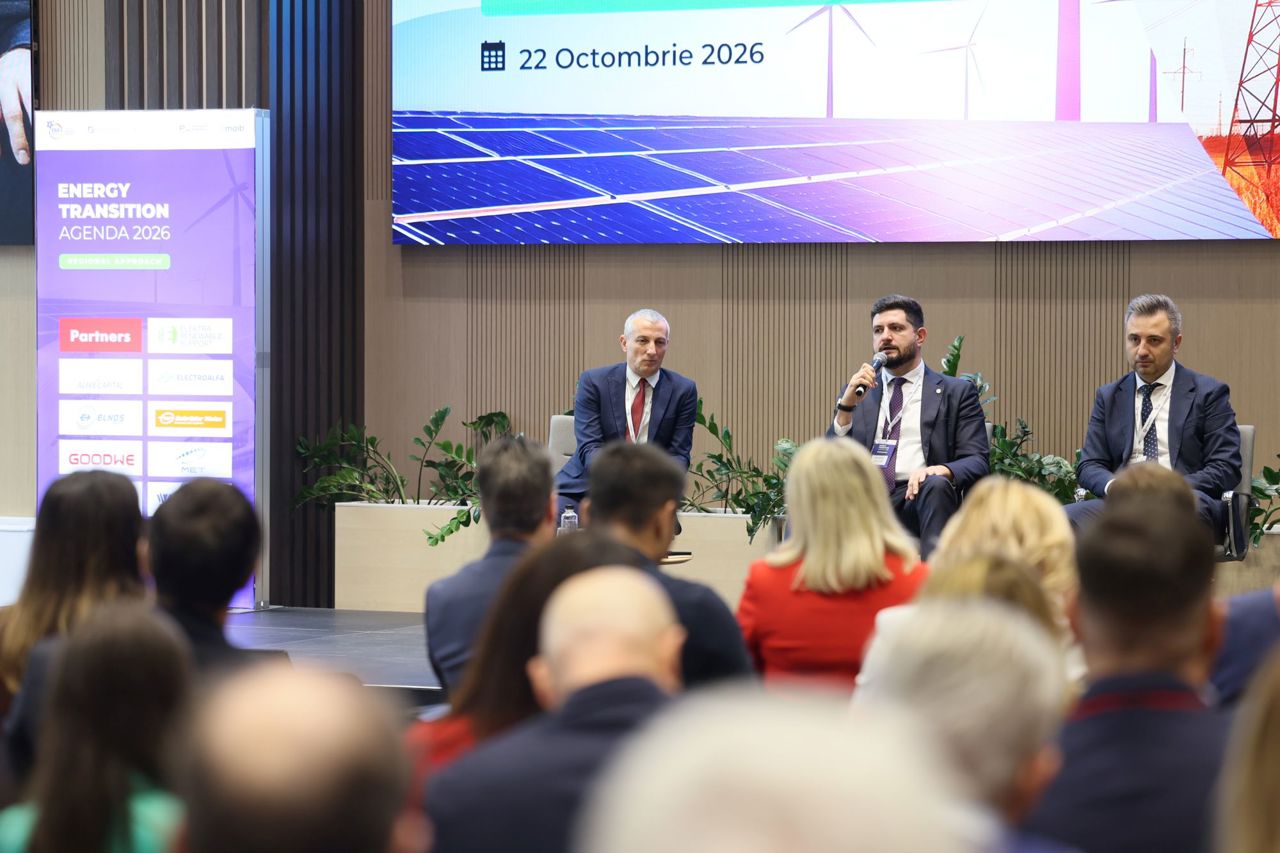
We remind you that the Ministry of Labor and Social Protection of the Republic of Moldova, in collaboration with the Independent Analytical Center "Expert-Grup," is organizing the National Forum of the Labor Market and Social Dialogue for the second consecutive year. The forum aims to analyze recent developments in the labor market of the Republic of Moldova while outlining policy directions for the upcoming period—particularly in the context of developing the National Employment Program for 2027-2031 and Moldova's European integration process.